Beyond Petrol: What the Launch of E85 Fuel Means for Your Next Car
Can you use E85 fuel in your car? Here’s what to check first
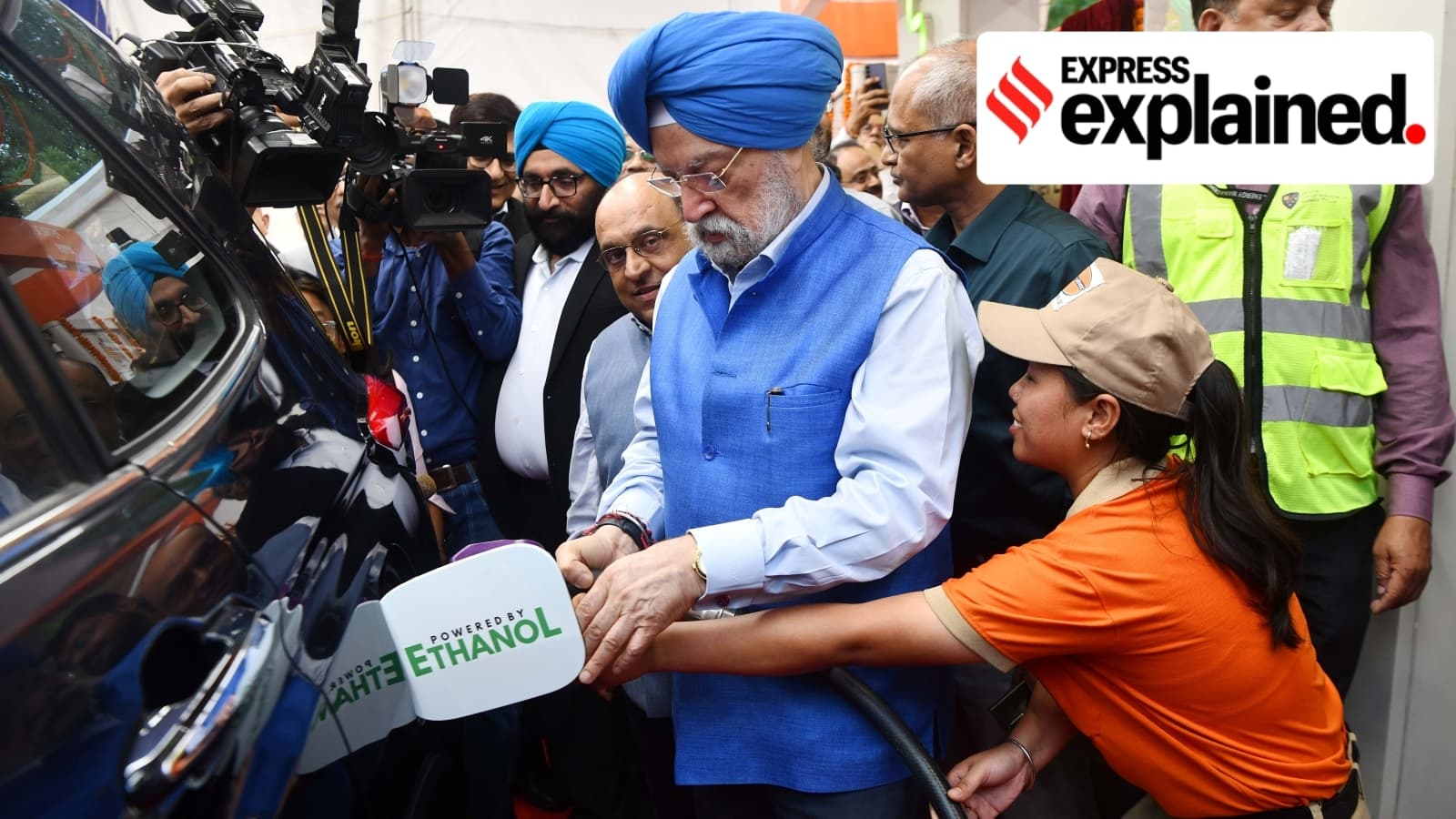
As India introduces high-ethanol E85 fuel to support a new generation of flex-fuel vehicles, here is what drivers need to know about compatibility, cost, and the shift away from traditional gasoline.
The landscape of Indian mobility is undergoing a significant transformation. Following the recent unveiling of the country’s first passenger flex-fuel vehicle (FFV), Union Petroleum and Natural Gas Minister Hardeep Singh Puri inaugurated the commercial rollout of E85 fuel in New Delhi. This high-ethanol blend—consisting of 80% to 85% ethanol—is designed specifically for advanced engines capable of handling varying ratios of biofuel, marking a departure from the standard petrol and E20 blends currently dominating the market.
Understanding the Flex-Fuel Advantage
Unlike conventional cars, flex-fuel vehicles (FFVs) are engineered with modified fuel systems that allow them to operate on a wide spectrum of ethanol-petrol mixtures, ranging from E20 up to E100. The primary appeal of this technology is flexibility; owners are not tethered to a single fuel type, allowing them to switch between blends as infrastructure improves. The government is positioning FFVs as a competitive, cost-effective alternative to battery-powered electric vehicles, as they leverage existing fuel retail networks while requiring lower acquisition costs.
Economics and the Environment
The shift toward high-blend ethanol is driven by both environmental and economic mandates. According to government data, E85 is priced approximately Rs 20 per litre lower than conventional petrol, a measure intended to pass the benefits of domestic ethanol production directly to the consumer. Furthermore, the environmental benefits are substantial: NITI Aayog classifies these FFVs as zero-emission capable, with lifecycle greenhouse gas emissions estimated to be 61% lower than those of standard petrol cars. By producing near-zero particulate matter, E85 is being championed as a vital tool in combating urban air pollution.
What You Need to Check Before Refilling
For the average motorist, the arrival of E85 does not mean an immediate change to their daily routine. It is critical to note that E85 is exclusively for specially designed flex-fuel vehicles. Putting high-ethanol fuel into a standard petrol-only engine can cause significant mechanical issues. However, the government has offered reassurance regarding the current transition to E20, noting that since the standard was implemented nationwide, there have been no reports of engine failure or systemic breakdowns linked to ethanol blending.
The Road Ahead for Indian Automakers
The industry is already pivoting to meet this new reality. Major manufacturers like Maruti are preparing to expand their portfolios, with reports suggesting that popular models could see flex-fuel iterations hitting the market by 2026. As the infrastructure for E85 expands, the focus remains on scaling the production of these cars to ensure that the transition from fossil fuels to renewable ethanol is both smooth and affordable for the Indian consumer. While the choice to switch will eventually rest on the availability of these specific models, the government’s commitment suggests that alcohol-based fuel blends will play an increasingly central role in the national energy mix.
The PoliticalPedia Editorial Desk brings verified, sourced political news and analysis from across India.