Morning school run turns fatal as wild elephant attack leaves woman dead in Idukki
Woman killed, daughter injured in wild elephant attack in Kerala’s Idukki
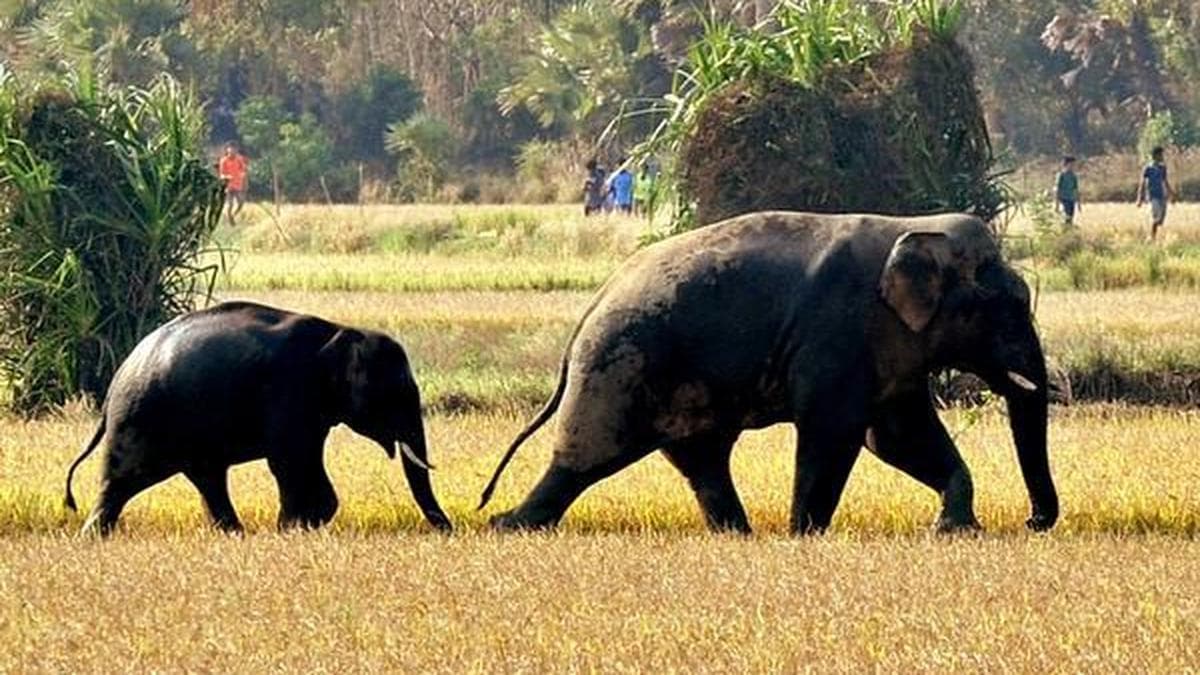
A 36-year-old mother was killed and her daughter left seriously injured after an encounter with wild elephants in Kerala’s Chinnakkanal, highlighting the escalating crisis of human-wildlife conflict in the high-range districts.
The morning commute in the Devikulam forest range of Idukki took a tragic turn on Monday when a 36-year-old woman, identified as Mari, was trampled to death. She was walking her young daughter to school around 8 a.m. near the Transfer Curve at Singukandam when the pair unwittingly walked into two wild elephants standing on the road. Cloaked by heavy rain and thick, persistent mist, Mari had no warning of the animals' presence until it was too late. The resulting attack left the mother dead at the scene and her daughter with serious injuries, necessitating an urgent transfer to the Adimaly Taluk Hospital for emergency care.
A mounting toll in the high ranges
This incident is not an isolated tragedy but part of a grim, recurring pattern across Kerala’s hilly regions. Recent data indicates that Idukki has recorded at least 11 deaths linked to elephant attacks within just the last eight months. Residents in these forest-fringe settlements describe a life lived in constant fear, where even the simplest daily routines—like a school run or a trip to the market—carry the risk of a fatal encounter. Across the state, from Wayanad to Valparai, reports of similar clashes between humans and wild animals have surged, often resulting in local protests and heated stand-offs between grief-stricken communities and forest officials.
The bigger picture: Why it matters
The frequency of these attacks points to a deeper, structural failure in managing the interface between protected forest zones and human habitations. As human settlements expand and corridors traditionally used by wild elephants are encroached upon or fragmented, the frequency of such deadly encounters is statistically bound to rise. The "mist and rain" factor cited in Monday's incident is a common environmental stressor in the Idukki high ranges, yet it underscores how precarious the safety net is for those living in these zones. Without a shift from reactive compensation-based policies to proactive, landscape-level habitat management, the cycle of mourning and unrest in Kerala’s villages will likely continue.
Growing unrest on the ground
The death of a local resident in such a manner invariably triggers a surge of public anger. In many similar instances across the state, tensions have boiled over into clashes with the police as villagers demand permanent, long-term solutions to mitigate the threat of straying animals. While the Forest Department is tasked with monitoring these ranges, the sheer scale of the conflict area often overwhelms available resources. As Mari’s family prepares for the final rites and the community waits for updates on her daughter’s recovery, the broader question remains: how much longer can these mountain communities survive in the path of encroaching wildlife?
Politics Desk at PoliticalPedia covers parties & elections for an Indian audience in English and Hindi.