Monsoon touches South Konkan, but farmers told to hold off on sowing
Monsoon enters South Konkan, State advises farmers to defer sowing
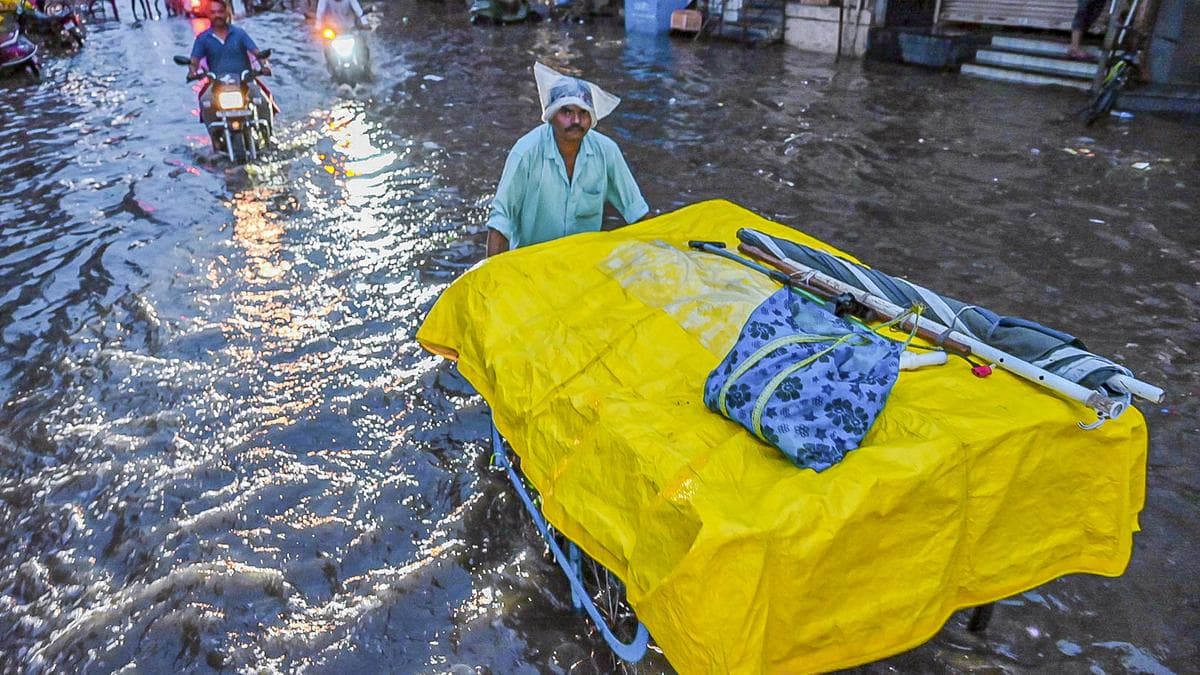
As the southwest monsoon marks its arrival in Maharashtra, the government has issued a clear directive to agricultural communities to delay planting until mid-June.
The first heavy, humid breath of the monsoon has finally reached the South Konkan region, turning the skies a dramatic grey. But for the farmers across Maharashtra, this is a moment for caution rather than the plow. While the southwest monsoon has technically made its entry, the state Agriculture Department has issued a firm advisory: do not begin sowing. Despite the arrival of rain in districts like Sindhudurg and Ratnagiri, the moisture is deemed insufficient for large-scale agricultural activity.
The forecast suggests that widespread, sustained rain across the state is unlikely before June 15. For now, the monsoon's progress remains sluggish, leaving the rest of the state in a precarious, dry holding pattern. While parts of Vidarbha, Marathwada, Khandesh, and Madhya Maharashtra can expect scattered afternoon thunderstorms, officials warn that these are merely localized events, not the steady downpour required to nourish a season’s crop.
A warning against the rush
Chief Minister Devendra Fadnavis took to social media to amplify the department’s message, urging farmers not to be swayed by sudden, stormy showers. The lure of early rain often tempts cultivators to start the season, but history shows that premature sowing during weak monsoon starts can lead to total crop loss if the dry spells persist.
Beyond the agricultural risks, the state has also issued a safety bulletin. With thunderstorms predicted across several regions, residents are cautioned against seeking shelter under trees, near tin sheds, or in the vicinity of electric poles and transformers, where the risk of lightning strikes is significantly higher.
Why it matters
The gap between the monsoon’s arrival and the actual start of sowing highlights a growing challenge for India’s agrarian economy: the increasing unpredictability of climate patterns. When the monsoon behaves erratically—delayed in some pockets and intense but brief in others—it forces farmers into a high-stakes gamble.
The current situation is particularly taxing because temperatures remain stubbornly high. With mercury levels expected to cross 40 degrees Celsius in Vidarbha and Khandesh through June 12, the ground remains parched despite the meteorological declaration of the monsoon's arrival. This heat-moisture imbalance is a reminder that the "official" start of the monsoon is often a technicality that doesn't always align with the ground realities of soil health or water table replenishment. Farmers are caught in a classic conflict between the calendar and the climate, and for now, the safest bet is patience.
Features Desk at PoliticalPedia covers culture, tech & life for an Indian audience in English and Hindi.