Bhagwant Mann asserts zero paper leaks in Punjab, flags merit over national exam crises
No paper leak in Punjab since 2022, students got opportunities based on merit: Mann
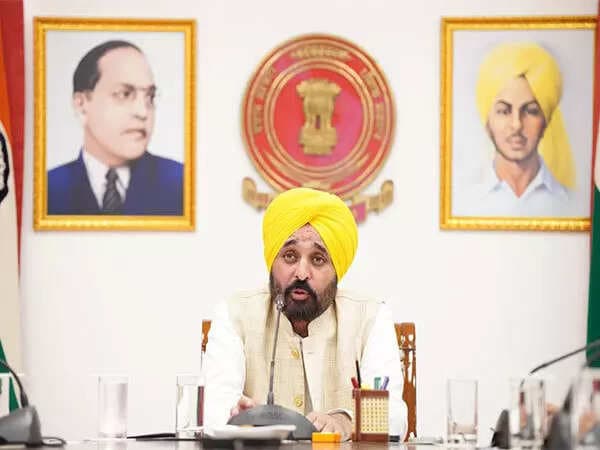
As the Aam Aadmi Party government hits a milestone of 67,037 recruitment letters, the Chief Minister credits transparent processes for the state's turnaround in education and employment.
CHANDIGARH — On a day marked by the distribution of appointment letters to 355 new recruits, Punjab Chief Minister Bhagwant Mann took aim at the national discourse surrounding examination integrity. Standing before an audience of youth, Mann claimed that while the rest of the country has struggled with the credibility of high-stakes testing, his administration has remained insulated from such failures.
"Since 2017, question papers of around 93 examinations have been leaked across the country," Mann said, citing the recent controversies surrounding the NEET-UG exam as a case of systemic failure that has demoralized students nationwide. He contrasted this with the track record of his government in Punjab, asserting that not a single paper leak has occurred in the state since he assumed office in 2022.
The numbers behind the narrative
The state government maintains that its recruitment drive is built on the pillars of transparency and an absence of political interference. With the latest batch of 355 hires, the total number of government jobs provided under the current dispensation has reached 67,037. The CM emphasized that these positions were filled strictly on merit, devoid of the nepotism or corruption that often clouds public sector hiring in various parts of the country.
Beyond just recruitment, Mann pointed to a broader administrative overhaul. The government has prioritized the regularization of 65,000 contractual employees and has shifted its focus to skill development, establishing 25 new Industrial Training Institutes (ITIs) and upgrading 13 existing ones.
Why it matters
The political capital of "merit-based governance" is arguably the biggest gamble for the Aam Aadmi Party in Punjab. By framing the conversation around the cleanliness of the recruitment process, the government is attempting to reverse the trend of youth migration, hoping that a perceived stability in public sector employment will encourage young professionals to build their careers at home.
Furthermore, Mann’s invocation of NITI Aayog’s school education rankings—which place Punjab at the top—signals a push to change the state's narrative from an agrarian-locked economy to one that prioritizes human capital and educational infrastructure. Whether this shift can sustain long-term economic growth remains to be seen, but the government is clearly banking on its clean-chit record in exams to maintain its public mandate.
The path forward
For the thousands of graduates entering the workforce, the state's ability to conduct exams without systemic leaks is not just a policy talking point—it is a baseline expectation. As the government continues to regularize staff and invest in modernizing schools, the focus will likely remain on whether this momentum can survive the pressures of upcoming administrative cycles and whether the "reverse migration" Mann speaks of can translate into measurable industrial growth.
Politics Desk at PoliticalPedia covers parties & elections for an Indian audience in English and Hindi.