Monsoon Fury and Institutional Failures: A Weekend of Grim Headlines
"Deepest Condolences": Priyanka Gandhi As Wayanad Landslide Kills 2, Rescue Ops Continue
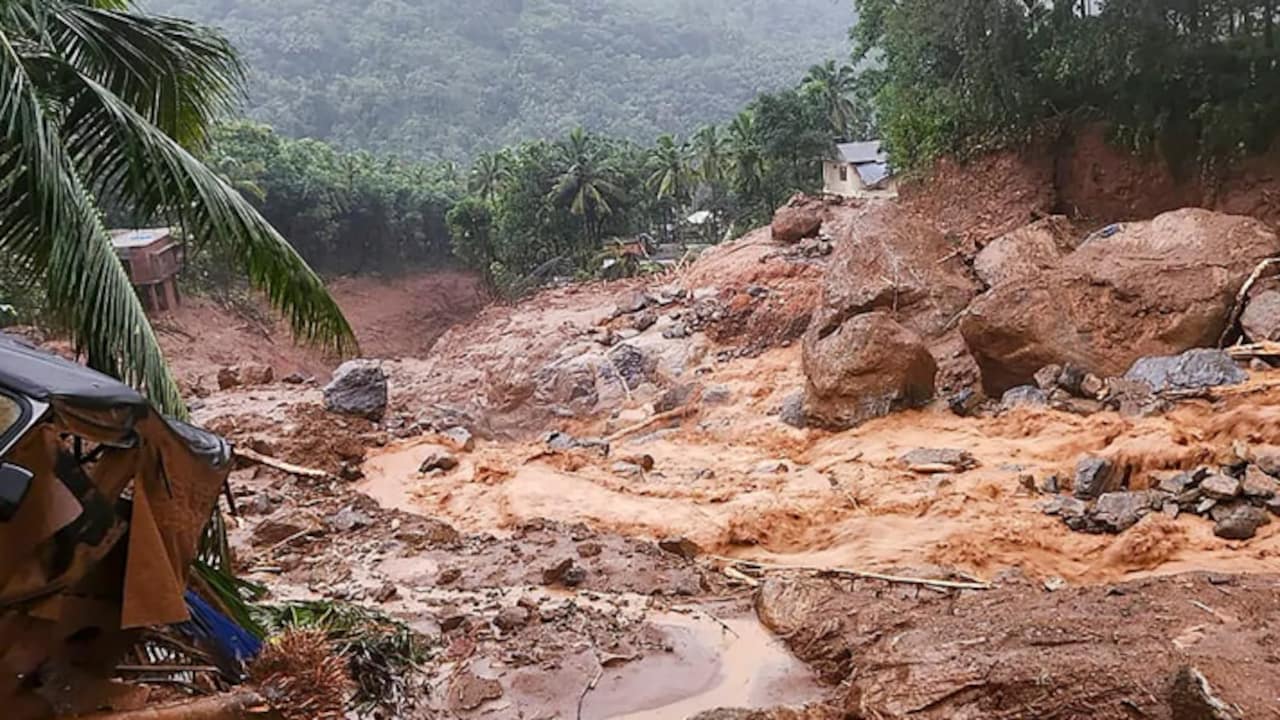
From the hills of Wayanad to the crumbling infrastructure of Mumbai, a series of tragedies across India highlights an urgent crisis in disaster preparedness and public safety.
The monsoon has arrived with a vengeance, but as often happens, the human cost of the season is being amplified by systemic neglect. In Kerala, the tragic news of a landslide in Wayanad has dominated the discourse, with at least two lives lost as the earth gave way. Priyanka Gandhi as Wayanad representative has expressed her deepest condolences, even as rescue ops continue under challenging conditions. The incident serves as a stark reminder of the extreme vulnerability of our hilly terrains during the peak of the rains.
Meanwhile, in Mumbai, the city’s struggle with the monsoon has turned into a daily battle for survival. The sheer scale of the devastation is staggering: over 1,100 trees have collapsed within a single week, with 500 falling in one 24-hour window alone. These botanical casualties are not just property damage; they are lethal hazards. Three people have lost their lives in this bout of "monsoon mayhem," and the recent building collapse in Mankhurd—where a family perished while waiting to move to a safer home the very next day—has left the city reeling.
A Pattern of Negligence
Beyond the weather, other chilling reports have surfaced. In Lucknow, a 58-year-old railway engineer has been arrested following allegations of rape, torture, and dowry-related violence, a reminder that social safety nets are failing as catastrophically as our physical ones. Simultaneously, in a West Delhi school, a dead lizard was discovered in a mid-day meal, triggering a police case. These disparate events—from state-level infrastructure failures to a lack of basic hygiene in schools—paint a picture of an administrative machinery that is perpetually reacting rather than preventing.
Why It Matters
The connection between these events is found in the erosion of oversight. Whether it is the failure to audit the structural integrity of old buildings, the lack of tree-trimming protocols before the rains, or the absence of quality control in public food distribution, the common thread is a lack of accountability. When infrastructure is left to the mercy of the elements and institutions operate without strict supervision, the most vulnerable citizens inevitably pay the price.
This is not just about bad weather or isolated incidents. It is about a recurring cycle where reactive governance fails to keep pace with the needs of a growing, urbanizing India. As the monsoon progresses, the focus must shift from merely managing the immediate aftermath to auditing the safety protocols that are meant to protect lives before the first raindrop even falls.
Rohan Gupta covers the economy, markets and companies for PoliticalPedia.