Delhi Storm Chaos: A Trail of Destruction as Freak Weather Batters North India
Delhi Storm Chaos! | Heavy Rain Uproots Trees, Cars Crushed Across City | Shocking Weather | News18
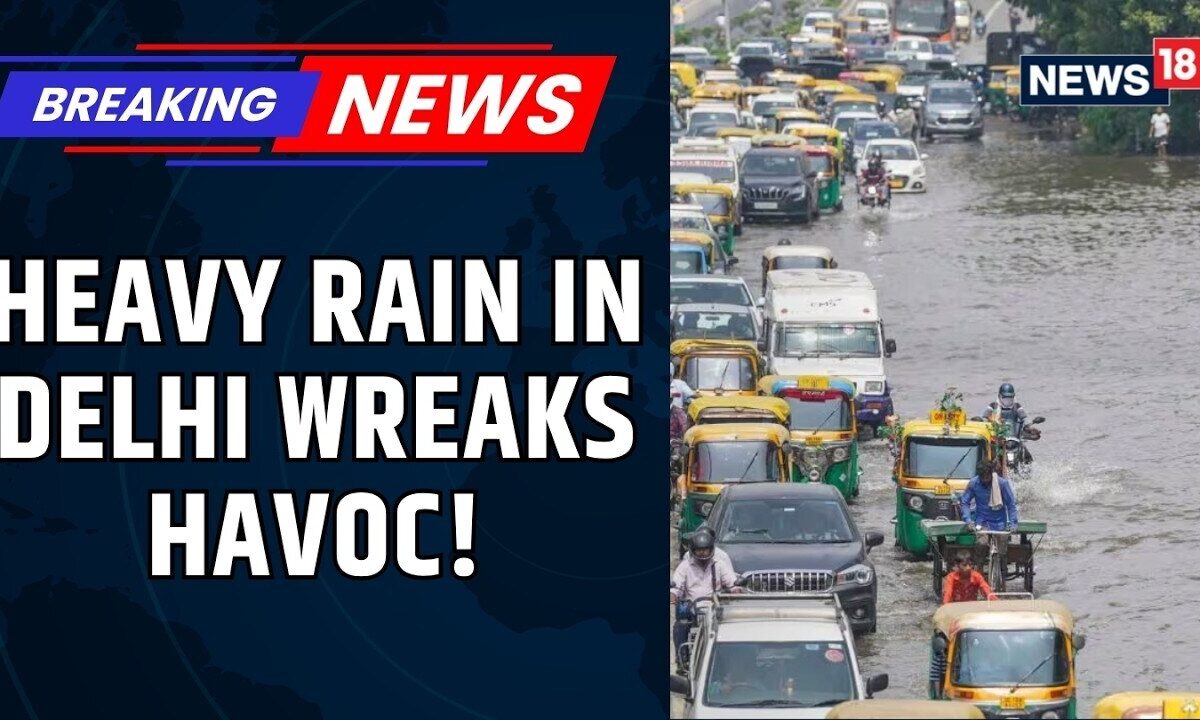
From crushed vehicles to uprooted urban canopies, a violent weather system has brought life to a standstill across Delhi-NCR and northern states, leaving a mounting human and economic toll.
The sky over Delhi turned a bruised, ominous shade of grey yesterday, serving as a prelude to a violent weather event that has left the capital and surrounding regions reeling. It wasn't just rain; it was a sustained assault of gusty winds and heavy precipitation that transformed city streets into zones of debris. Reports of heavy rain uproots trees and cars crushed across city thoroughfares have dominated the news cycle, with visuals of vehicles pinned under massive trunks becoming the grim, defining image of this shocking weather.
The intensity of the storm, which swept through the National Capital Region with terrifying speed, saw a young child among the fatalities in Delhi. The destruction extended far beyond the capital. In Uttar Pradesh, the death toll has climbed to 89, while Haryana and Kanpur reported further casualties, bringing the total loss of life across the northern belt into the triple digits. Across these states, hundreds of trees have been torn from the earth, and infrastructure—from society gates in Noida to residential walls in Bengaluru—has buckled under the pressure of the gale.
The Economic and Infrastructure Toll
While local news outlets like News18 and The Times of India document the immediate physical wreckage, the economic ripple effects are becoming clear. For the average commuter and small business owner, this is more than a meteorological anomaly; it is a direct hit to property and productivity. Thousands of vehicles damaged by falling timber represent a significant, unforeseen insurance burden, while the disruption to power lines and public transport has forced a pause in local commerce.
The sheer scale of the damage across 25 states, as forecasted by the IMD, points to a systemic vulnerability in our urban planning. In cities like Bengaluru, the collapse of structures alongside the flooding highlights the struggle of ageing infrastructure to cope with intensified climate patterns. When a simple commute turns into a life-threatening ordeal, the conversation shifts from mere weather updates to the urgent need for climate-resilient urban development.
Why It Matters: The Bigger Picture
This is not an isolated incident but part of a concerning trend of unseasonal, high-intensity weather events sweeping across the subcontinent. For the economy, these disasters act as a hidden tax. Every wall that falls and every hour of business lost to a storm adds up to a broader disruption in the GDP growth narrative. When we look at the frequency of these storms, the focus must move toward "adaptive infrastructure."
Policy planners need to address why our metropolitan green covers are failing so spectacularly during high-wind events—often a result of poor root development in concrete-heavy urban soil—and why residential safety standards are failing the public when the elements turn hostile. As the country balances its focus between global partnerships, like the recent India-Indonesia diplomatic engagements, and domestic growth, the vulnerability of our cities to extreme weather remains a critical, unresolved risk.
Rohan Gupta covers the economy, markets and companies for PoliticalPedia.