A 100-Foot Plunge and a Narrow Escape: The Precarious Reality of Kerala’s Terrain
Video: Tanker Slips 100 Feet In Wayanad Landslide, Narrow Escape For 3
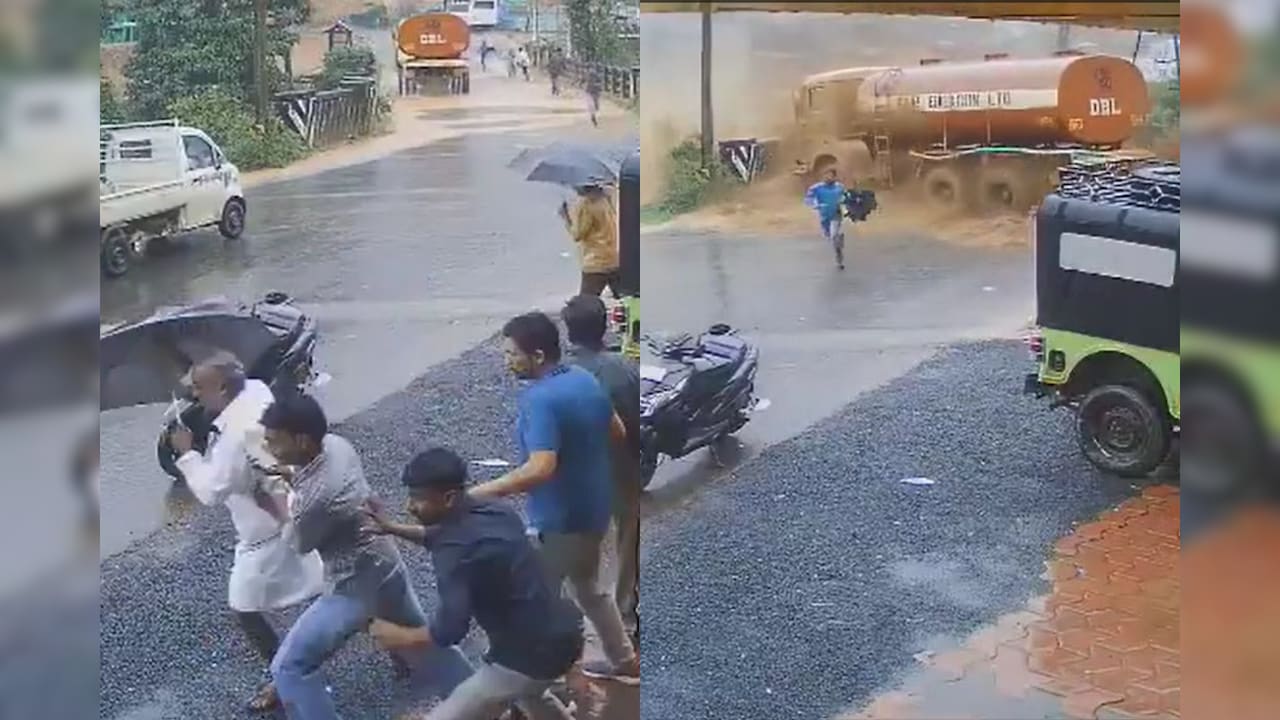
A harrowing video captures the moment a tanker slips 100 feet in a Wayanad landslide, leaving three people with a miraculous narrow escape from disaster.
The footage, circulating rapidly online, serves as a stark reminder of the fragile balance between human infrastructure and the volatile topography of the Western Ghats. In the clip, the sheer force of a landslide in Wayanad sends a heavy tanker plummeting 100 feet down an incline, turning a routine transit into a life-or-death struggle. Three individuals trapped in or near the vehicle managed a narrow escape, their survival defying the destructive momentum of the earth giving way beneath them.
This incident highlights the escalating risks faced by residents and commuters in high-altitude zones where extreme weather and shifting landscapes are becoming the new normal. While the rescue of these three individuals is a relief, the event underscores the vulnerability of transport networks in regions like Wayanad, where monsoon-driven landslides can turn roads into death traps in a matter of seconds.
Beyond the Video: A Pattern of Infrastructure Stress
The incident is not an isolated case of structural failure. Across the country, from the crumbling buildings of Mumbai—where families have lost lives while planning to move to safer ground—to the oversight failures leading to hazardous food in school mid-day meals in Delhi, there is a recurring theme of system stress. Whether it is the integrity of urban housing or the safety of transit routes in ecologically sensitive zones, the margin for error is shrinking.
When we look at the broader picture, these events point to an urgent need for stricter audit protocols. In the case of the Mumbai collapse, the tragedy was compounded by the fact that the victims had already identified the danger and were preparing to leave. Similarly, in remote areas, the lack of real-time monitoring of landslide-prone slopes often leaves heavy vehicles and their occupants at the mercy of sudden geological shifts.
Why It Matters
The bigger picture here is about the intersection of climate volatility and aging infrastructure. As weather patterns become more erratic, the traditional safety buffers we rely on—be it in building codes or highway maintenance—are no longer sufficient. When a tanker slips 100 feet in a landslide, it isn't just a transport accident; it is a signal that our risk assessment for high-risk zones is lagging behind the environmental reality.
For policymakers, the task is twofold: strengthening the disaster-resilient infrastructure in regions like Wayanad and ensuring that accountability is not just a reactive measure taken after a tragedy occurs. Unless we address the systemic gaps that lead to these "near misses," the next video might not have such a fortunate ending.
Ananya Iyer covers global affairs with an Indian lens for PoliticalPedia.