Missiles over Tel Aviv: Iran’s ‘warning’ strike and Trump’s call for a ceasefire
Iran's missile attack, Israel's retaliation warning, Trump says ‘enough’: Latest in US-Iran war
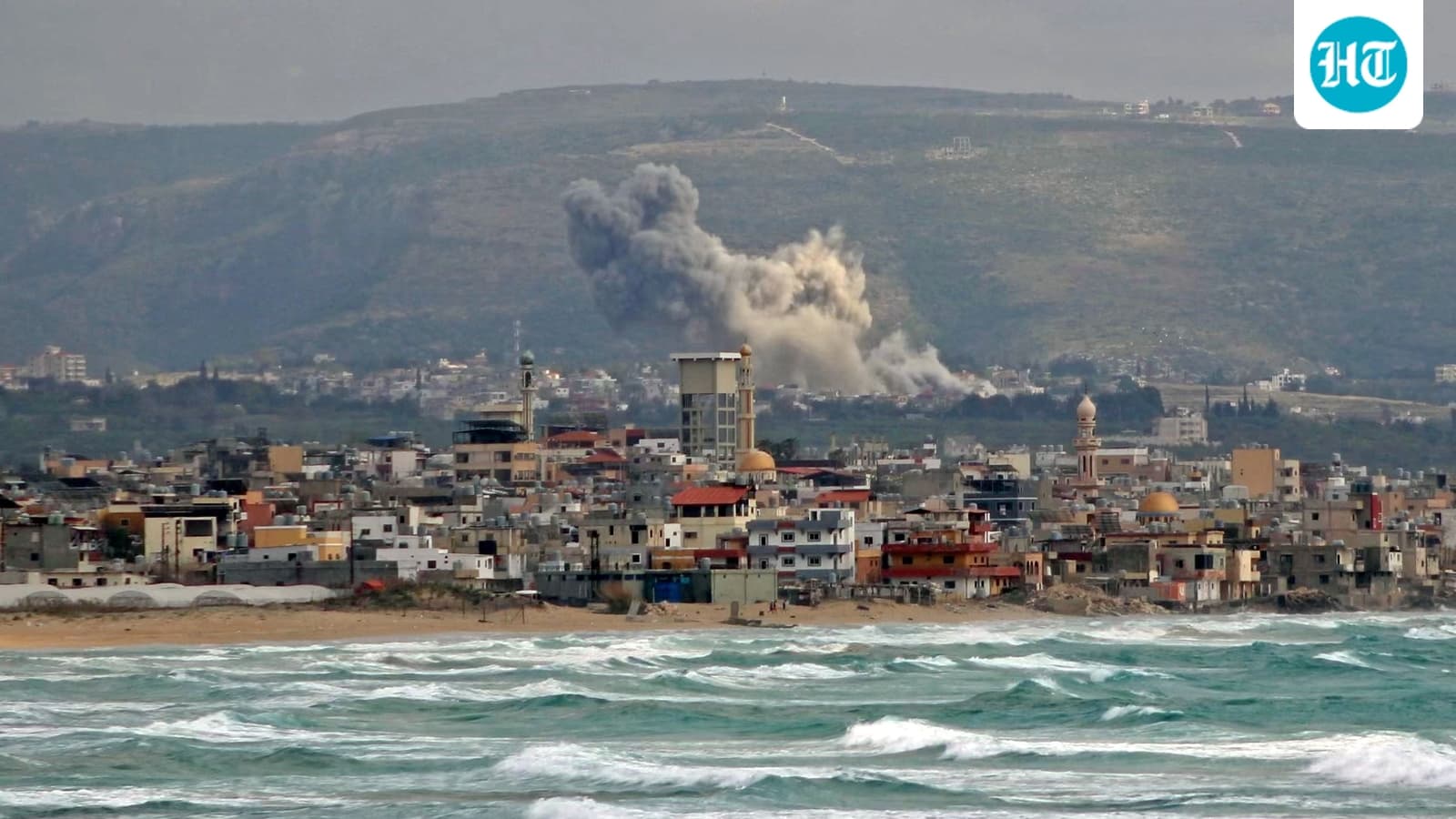
As Tehran fires waves of ballistic missiles into Israel in retaliation for strikes on nuclear sites and Beirut, global powers brace for a volatile escalation.
The skies over Tel Aviv and Jerusalem lit up with the terrifying glow of incoming fire this weekend, as Iran launched hundreds of ballistic missiles in a direct, high-stakes military response to recent Israeli operations. While the Israeli military reported that its air defences intercepted the majority of the projectiles, the impact of a strike on a residential block in Ramat Gan and the sounds of air raid sirens across the country signal a definitive shift in the regional conflict. The barrages followed an unprecedented Israeli offensive that reportedly targeted Iranian nuclear facilities at Natanz and eliminated several top military commanders.
The red line crossed
Tehran has been unequivocal about its intent, framing the assault as a "warning" rather than a final act. Iran’s Revolutionary Guards have described the operation as a precise response to what they claim were "red line" violations by Israel, specifically pointing to the deadly strikes in the Beirut suburbs and the destruction of nuclear infrastructure. Mohammad Bagher Ghalibaf, Iran’s chief negotiator, has further raised the temperature by accusing Washington of greenlighting these regional attacks, declaring that both Israeli and American assets are now considered legitimate targets in the escalating cycle of violence.
The humanitarian cost is mounting, with reports of dozens injured in the latest exchange and the fragile ceasefire between Israel and Lebanon appearing increasingly brittle. As Israeli strikes continue across Lebanese territory and Hezbollah maintains its vow to fight on, the logistical and strategic map of West Asia is being redrawn. With Syria closing its southern airspace and Gulf allies expressing private frustration over a lack of prior notification regarding the U.S.-Israel coordination, the conflict is rapidly spilling beyond the immediate combatants.
Trump’s intervention
Caught in the middle of this intensifying standoff, U.S. President Donald Trump has issued a blunt appeal for de-escalation. During a recent interview, Trump urged the Iranian leadership to stand down, stating, "You’ve shot your missiles, that's enough." His intervention reflects a broader, albeit uncertain, U.S. strategy aimed at forcing a return to the negotiating table. However, Trump’s rhetoric has been a double-edged sword; while he pushes for a deal, his administration simultaneously maintains a hardline stance on the destruction of Iranian military infrastructure, creating a narrow and dangerous window for diplomacy.
Why it matters: The bigger picture
The latest escalations represent a critical juncture where the "language of force" is threatening to eclipse all diplomatic efforts. For the global economy and regional stability, the implications are severe. The shift from skirmishes to direct state-on-state missile strikes—targeting not just military bases but the heart of urban centres—risks pulling neutral neighbours into the conflict. As Iran continues to link its missile response to a broader demand for a "ceasefire on all fronts," the reality is that the deterrence model that once kept this conflict in the shadows has effectively collapsed. The coming days will test whether the current cycle of retaliation leads to a wider, uncontrollable war or if the mutual exhaustion of military resources forces a pragmatic, albeit temporary, return to talks.
Business Desk at PoliticalPedia covers economy & markets for an Indian audience in English and Hindi.