Markets in turmoil: Japan’s Nikkei index plunges as Middle East conflict flares
Japan’s Nikkei 225 drops 4% as tensions rise after Iran launches fresh strikes
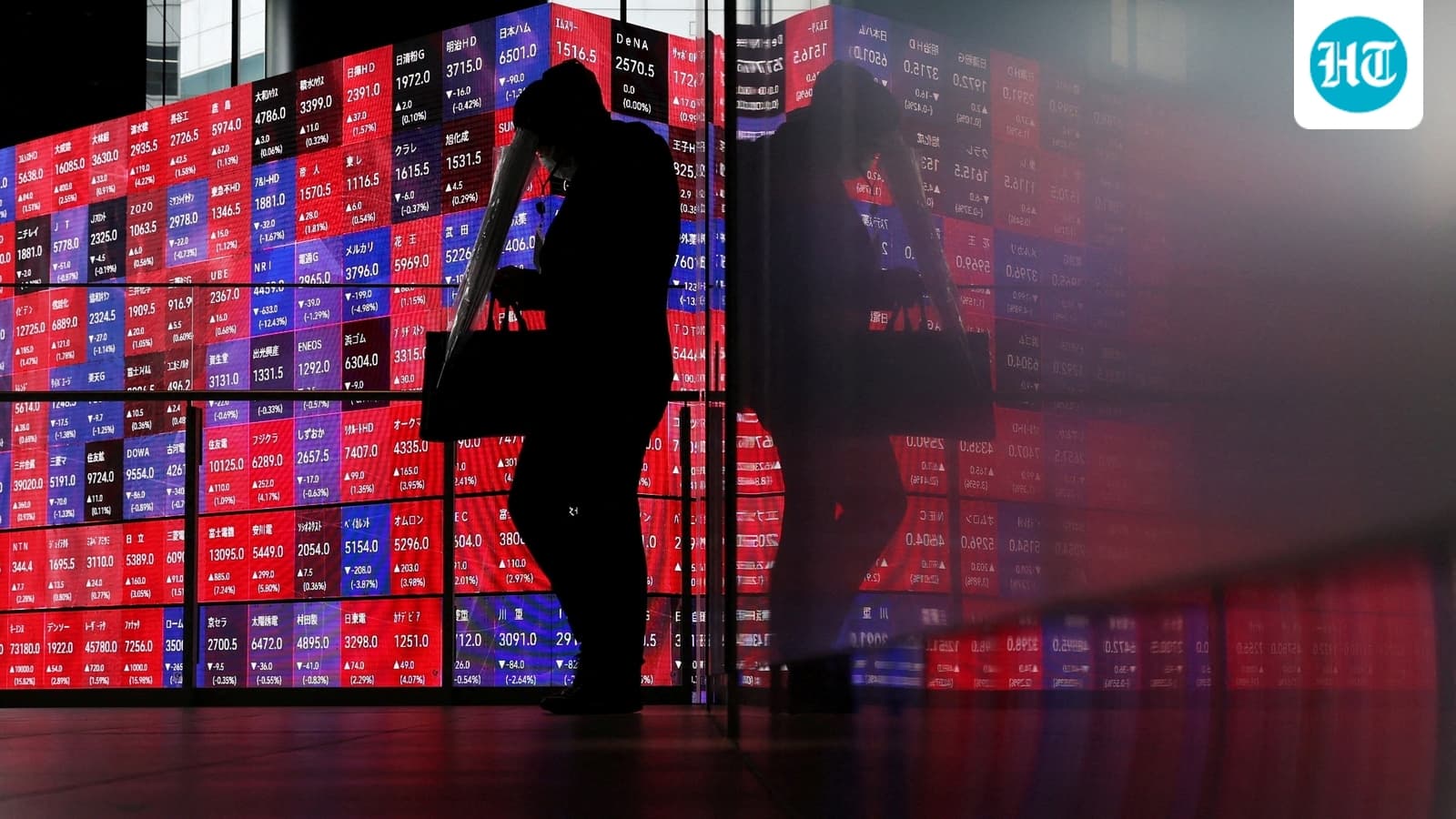
Investors scramble for safety as a fresh wave of Iranian missile strikes rattles global sentiment and cools the year’s tech-driven rally.
The Tokyo stock exchange opened to a sea of red on Monday morning as the Nikkei index suffered its steepest single-day slide since March. By 10:12 a.m. local time, the benchmark had shed 4%, mirroring a broader retreat across Asian markets as the geopolitical standoff between Iran and Israel entered a volatile new phase. The shockwaves were immediate, with the wider Topix gauge also tumbling nearly 3% as investors moved to dump riskier assets in favour of defensive sectors.
The sell-off was not confined to a single industry, but technology shares bore the brunt of the damage. Names that had been the darlings of this year’s bull run—including SoftBank Group and Kioxia—faced double-digit drops in early trading. This cooling of the tech sector is being exacerbated by a "double whammy": local investors are not only reacting to the fires in the Middle East but are also recalibrating their expectations for the US Federal Reserve. After a robust US jobs report for May, markets are increasingly pricing in a "higher for longer" interest rate environment, stripping away the optimism that had pushed AI-related valuations to record highs.
The bigger picture: A market at a crossroads
Why does this matter for the global economy? We are seeing the end of a period of market complacency. For months, the AI-fueled rally and strong corporate earnings in the tech space acted as a buffer against broader economic anxieties. However, the combination of renewed kinetic conflict in the Middle East and the shifting trajectory of US monetary policy has shattered that calm.
The concern now is that the market is becoming a victim of its own success. With valuations stretched after a year of aggressive growth, any sign of instability—whether from a fresh strike in the Middle East or a hawkish pivot from the Fed—is triggering an outsized reaction. As strategists note, the "awkward silence" surrounding upcoming major financial events, such as the SpaceX public debut, suggests that traders are bracing for a prolonged correction rather than a temporary blip.
Navigating the uncertainty
The instability has left the Bank of Japan in a difficult spot. Policymakers are scheduled to meet next week, and they are now facing the dual pressure of managing inflation risks while trying to steady a jittery domestic share market. Traders are already betting on a potential rate hike, yet the deteriorating global risk tone makes any such move a delicate balancing act.
For now, the mantra on the trading floor is caution. As tensions persist, the expectation is that capital will continue to flow into defensive pockets of the market. The events of this week serve as a sharp reminder that despite the hype surrounding new technologies, the global market remains deeply tethered to the traditional, and often unpredictable, realities of geopolitics and central bank policy.
Politics Desk at PoliticalPedia covers parties & elections for an Indian audience in English and Hindi.