Madurai farmers face crisis as paddy procurement dues remain unpaid
Madurai farmers demand pending dues for paddy procurement
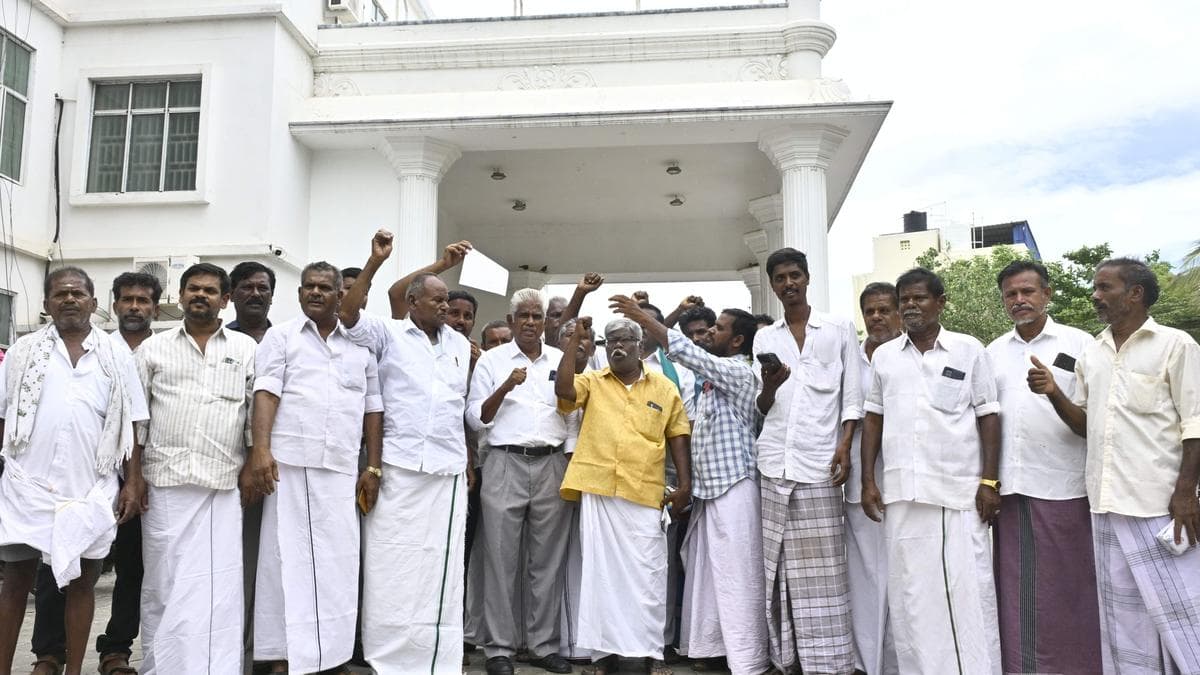
Farmers in Madurai have issued a stern warning of protests after months of delays in receiving payment for their harvests.
The fields in Madurai district, usually a season of relief after a hard harvest, have turned into a site of distress for local farmers. On Monday, a group of aggrieved cultivators marched to the office of District Collector P. Akash, submitting a formal petition to highlight a mounting financial crisis. Their grievance is simple but pressing: they have handed over their paddy to government-sanctioned procurement centres, yet the promised money has not reached their bank accounts for four months.
The fallout is being felt across the district, with procurement centres in Parapatti, Kancharampet, Velichanatham, Malaipatti, Kallandhiri, and Chatrapatti becoming hubs of frustration. Under an arrangement facilitated by the Union government, a private company was tasked with the procurement process. However, according to the farmers, this firm has failed to honour its payment obligations, leaving them unable to fund their next cycle of agricultural activities or sustain their families.
A standoff over payments
T. Palanisamy, an office-bearer of the Tamil Nadu Sugarcane Farmers’ Association, has been vocal about the impasse. He claims that when farmers confront the private company, the National Cooperative Consumers' Federation (NCCF), they are met with evasive responses. The firm reportedly maintains that it has yet to receive the necessary funds from the Union government to settle the accounts.
For the farmers, these bureaucratic circulars offer little comfort. Having already submitted multiple memorandums without success, their patience is wearing thin. The frustration has reached a boiling point, with the farming community now threatening a road blockade in Kancharampet on June 12 if their dues are not cleared immediately.
Why it matters
This incident highlights a recurring friction point in India’s agricultural supply chain: the challenge of accountability when private intermediaries are brought into the state-led procurement mechanism. While the government aims to expand the reach of procurement through such contracts, the failure to ensure timely payouts creates a "trust deficit" that directly impacts the rural economy.
When payments are delayed, it doesn't just hurt the individual farmer; it cripples their ability to invest in inputs like seeds and fertilizers for the next sowing season. If the state cannot ensure that its contracted agencies remain solvent and responsive, the very system meant to provide a safety net for farmers becomes a source of instability. Resolving these pending dues is not just about clearing a balance sheet—it is about keeping the agricultural cycle in Madurai moving.
World Desk at PoliticalPedia covers global affairs for an Indian audience in English and Hindi.