A Costly Commute: Can Kerala’s KSRTC Sustain Free Travel for Women?
Free ride for women: A challenging balancing act awaits State, KSRTC
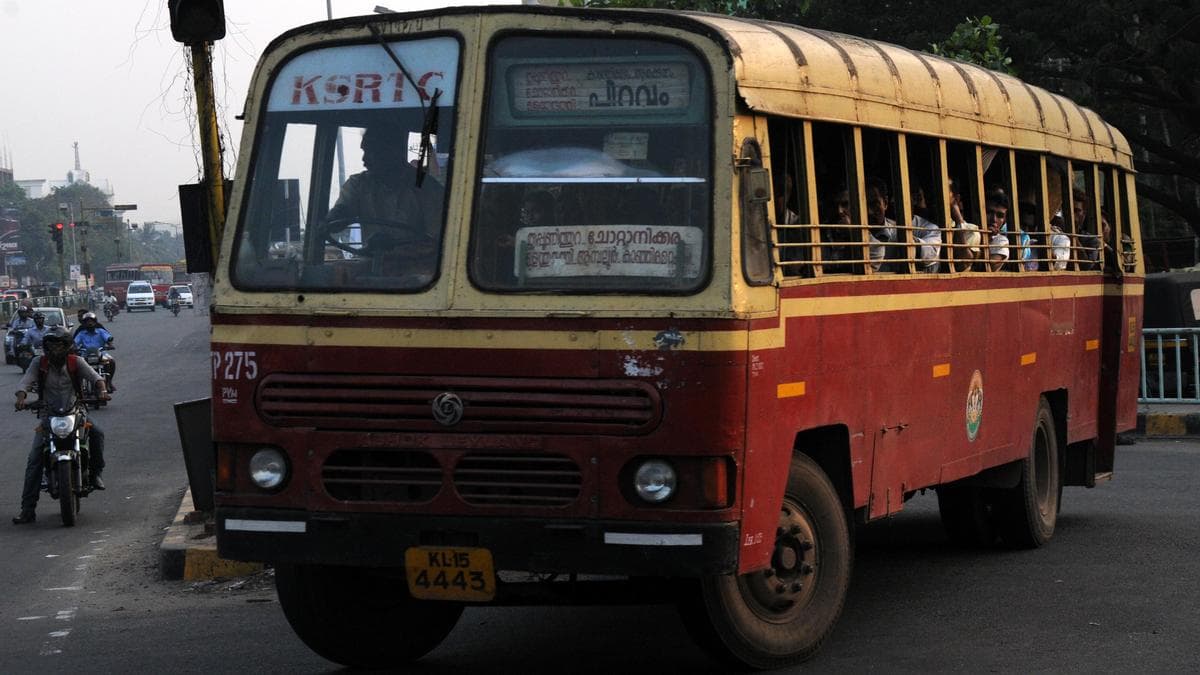
As the new government rolls out its flagship promise of free bus rides for women, the state transport utility faces a precarious financial tightrope.
For Haripriya, a marketing executive navigating the bustling transit hubs of Kochi, the daily KSRTC bus commute is more than a routine—it is a significant drain on her modest earnings. Like thousands of other working women across Kerala, she stands to benefit from the state government’s latest "Indira Guarantee," which promises free travel for women on state-run buses starting June 15. While the policy, cleared in the first cabinet meeting of the newly formed UDF government, offers immediate relief to household budgets, it has triggered a fierce debate over the long-term viability of the state’s public transport lifeline.
The Balancing Act
The math behind the promise is stark. Internal estimates suggest that a universal rollout of the free travel scheme could slash the Kerala State Road Transport Corporation’s daily revenue by as much as ₹3.2 crore. With the corporation already grappling with a ₹3,100-crore debt burden and relying on consistent government intervention to pay salaries and pensions, critics argue the scheme risks pushing the utility toward collapse. To gauge the potential impact, KSRTC has already begun logging passenger gender through updated electronic ticketing machines, essentially "gender-tagging" the commute to see who exactly is riding and where.
The government is currently exploring models similar to those in neighbouring Tamil Nadu and Karnataka to mitigate costs. One likely path is restricting the free benefit to "ordinary" services, effectively excluding fast-passenger and luxury fleets. While this would protect the exchequer—limiting revenue loss to an estimated ₹57 crore over 90 days—it may invite public backlash from commuters who demand the same benefits as those in premium categories.
Why it matters
This policy is a classic collision between populist welfare and fiscal reality. By removing the cost of mobility, the government aims to boost female participation in the workforce and increase their presence in public spaces. Economists like Prof. K.P. Kannan note that such initiatives can stimulate the broader economy, as saved transport costs are redirected toward family consumption. However, the bigger picture remains concerning: can a state-run entity already dependent on government handouts afford to lose a stable revenue stream? If the KSRTC’s infrastructure crumbles under the weight of these subsidies, the "free" ride may eventually come at the cost of service frequency and quality, potentially hurting the very people the scheme intends to help.
The road ahead is far from smooth. While the UDF government has also balanced this move with a ₹3,000 hike in honorariums for ASHA workers, the persistent financial constraints mean that every major welfare promise requires a painful trade-off. As the June 15 launch date approaches, the administration must decide whether to commit to a full-scale rollout or adopt a phased, restrictive model that survives the fiscal audit. For now, women across the state await the details, hoping that the promise of a free journey doesn't lead to a dead end for the public transport network itself.
Politics Desk at PoliticalPedia covers parties & elections for an Indian audience in English and Hindi.