The Fiscal Tightrope: Kerala’s Free Bus Ride Plan for Women
Free ride for women: A challenging balancing act awaits State, KSRTC
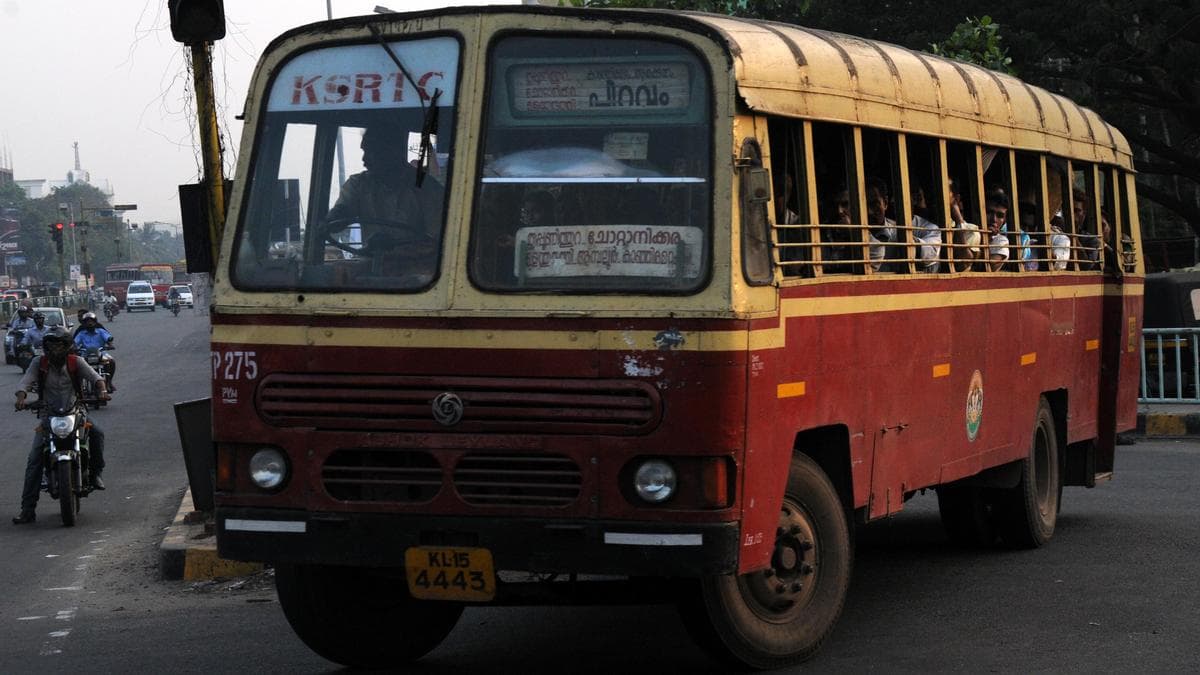
As the state government mulls a free travel scheme for women on KSRTC buses, the push for gender mobility meets the harsh reality of a debt-ridden exchequer.
Standing at a bus stop in Thiruvananthapuram, the promise of a free commute feels like a lifeline for working professionals like Githa Hari. For her, the proposal to make travel on ordinary KSRTC buses free for women isn't just a policy shift; it is a monthly saving of nearly ₹900. Across the state, many women share this sentiment, viewing the scheme as a tangible way to redirect limited household budgets toward pressing family needs. Yet, as the government prepares to roll out this initiative, the applause from commuters is being met with a sobering reality check from the state's financial planners.
The Cost of Connectivity
The math behind the scheme presents a daunting challenge for a transport corporation already struggling to stay afloat. KSRTC projections suggest that limiting free travel to ordinary services—which account for roughly 3,000 of the corporation's 4,700-strong fleet—would still cost the state around ₹57 crore every 90 days. If the government decides to expand the service to city fast, fast, and superfast buses, that revenue loss would balloon to ₹112 crore. With the corporation already grappling with substantial loan liabilities inherited from the previous administration, every rupee of revenue matters.
An Economic Multiplier?
Despite the red ink, proponents argue that the scheme is an investment in social equity. Economist Prof. K.P. Kannan points out that this is not merely about transportation; it is about economic mobility. By removing the cost barrier, the state could see a surge in women’s presence in public spaces, particularly among the working class and self-employed. When a commuter saves on travel, that disposable income typically finds its way back into the local economy, potentially stimulating activity that wouldn't have occurred otherwise. The experience of neighbouring states suggests that such moves often lead to a measurable increase in the frequency of women using public transit.
Why It Matters: The Balancing Act
The bigger picture here is the classic tug-of-war between welfare-driven populism and fiscal sustainability. For the government, the political capital of facilitating free travel is high, but the risk of exacerbating the KSRTC’s existing financial crisis is equally significant. Relying on an already cash-strapped transport body to subsidise public transport without a clear plan to offset these losses is a precarious strategy. Experts suggest that if the state is serious about this, it must look beyond the ballot box and focus on genuine rationalisation of public expenditure and more aggressive tax collection. Without these structural reforms, the scheme risks becoming a popular promise that the state’s coffers simply cannot afford to sustain in the long run.
Managing Public Expectations
The decision to restrict the initial phase to "ordinary" buses is a cautious attempt to control costs, but it may also be a political trap. Commuters are already expressing hope for a phased expansion into higher-tier services. If the government fails to extend these benefits, it faces the risk of public backlash. Conversely, if it stretches the scheme too thin, it may push the KSRTC deeper into a debt trap. As it stands, the administration is walking a tightrope, trying to balance the urgent need for social progress with the cold, hard numbers of a struggling treasury.
Politics Desk at PoliticalPedia covers parties & elections for an Indian audience in English and Hindi.