Leveraging the Blue Economy: Chief Minister Satheesan Unveils Vision for a Maritime-Led Puthuyuga Keralam
Blue economy offers unlimited opportunities for ‘Puthuyuga Keralam’: Chief Minister V.D. Satheesan
As Kerala prepares to mark World Oceans Day, the state government has outlined an ambitious roadmap to pivot its economic growth toward sustainable marine resources and a robust maritime hub.
With an expansive 600-km coastline, Kerala stands at the cusp of a major economic transformation aimed at positioning the state as a premier global maritime gateway. Speaking ahead of World Oceans Day, Chief Minister V.D. Satheesan emphasized that the "blue" economy is central to building a 'Puthuyuga Keralam' (New Era Kerala). By prioritizing responsible maritime governance and sustainable development, the government intends to harness the untapped potential of the Arabian Sea to drive long-term prosperity.
Mission Samudra: A Three-Phase Maritime Strategy
At the heart of this initiative is "Mission Samudra," a project the UDF government views as a key driver for future development. The strategy follows a structured three-phase rollout. Initially, the state will focus on integrating its network of small and major ports to streamline coastal shipping. The primary objective is to alleviate road congestion by shifting at least 50% of the state’s current cargo movement to sea routes.
Subsequent phases will see the state venturing into large-scale cruise tourism and eventually interlinking these coastal operations with Kerala’s inland river and backwater networks. Drawing a parallel to Dubai, where the port sector contributes 28% to the GDP, Chief Minister Satheesan suggested that similar integration could create lakhs of jobs, effectively turning Kerala into a series of interconnected "port cities."
A Catalyst for Infrastructure and Growth
The state’s maritime assets are vast, ranging from the Vizhinjam International Seaport and the Kochi Port to 17 non-major ports and the Cochin Shipyard. According to the Chief Minister, the goal is to leverage these assets to foster a diverse ecosystem of maritime clusters. This includes promoting aquaculture, ocean-based renewable energy, shipbuilding, and maritime education through specialized universities and research centers.
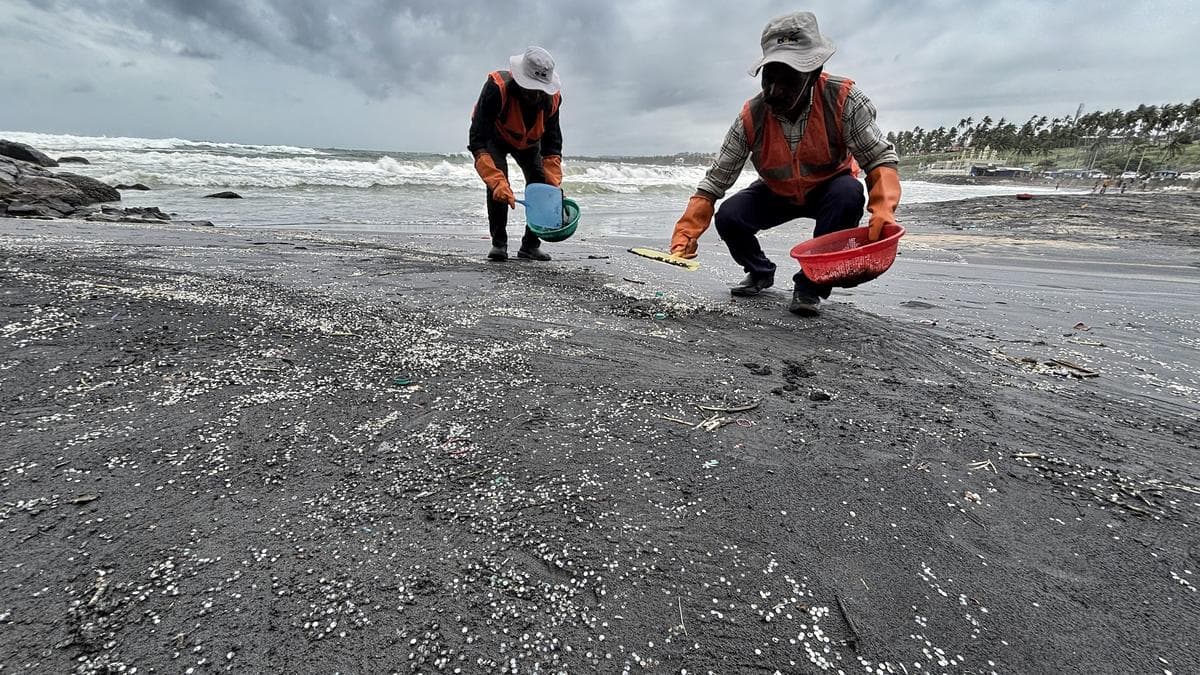
Vizhinjam, in particular, is being positioned as a potential global model for sustainable port development. However, the administration acknowledges that this industrial leap must be balanced with environmental stewardship. Satheesan stressed that while the port-maritime sector is the chief catalyst for economic development, the state must remain vigilant against the growing challenges of marine pollution to ensure the longevity of these resources.
Reclaiming the Gateway to India
Historically and economically, Kerala’s geography has always made it a natural maritime gateway. By modernizing its logistics and embracing clean fuel initiatives, the government aims to reclaim this historical significance. The integration of maritime heritage tourism with industrial growth is expected to provide a multifaceted boost to the state economy, turning the ocean not just into a source of trade, but a cornerstone of Kerala’s modern identity.
The PoliticalPedia Editorial Desk brings verified, sourced political news and analysis from across India.