Beyond the Clouds: The Two Realities of Dhanawali
Dhanawali – the Pune village that time, and the state, forgot
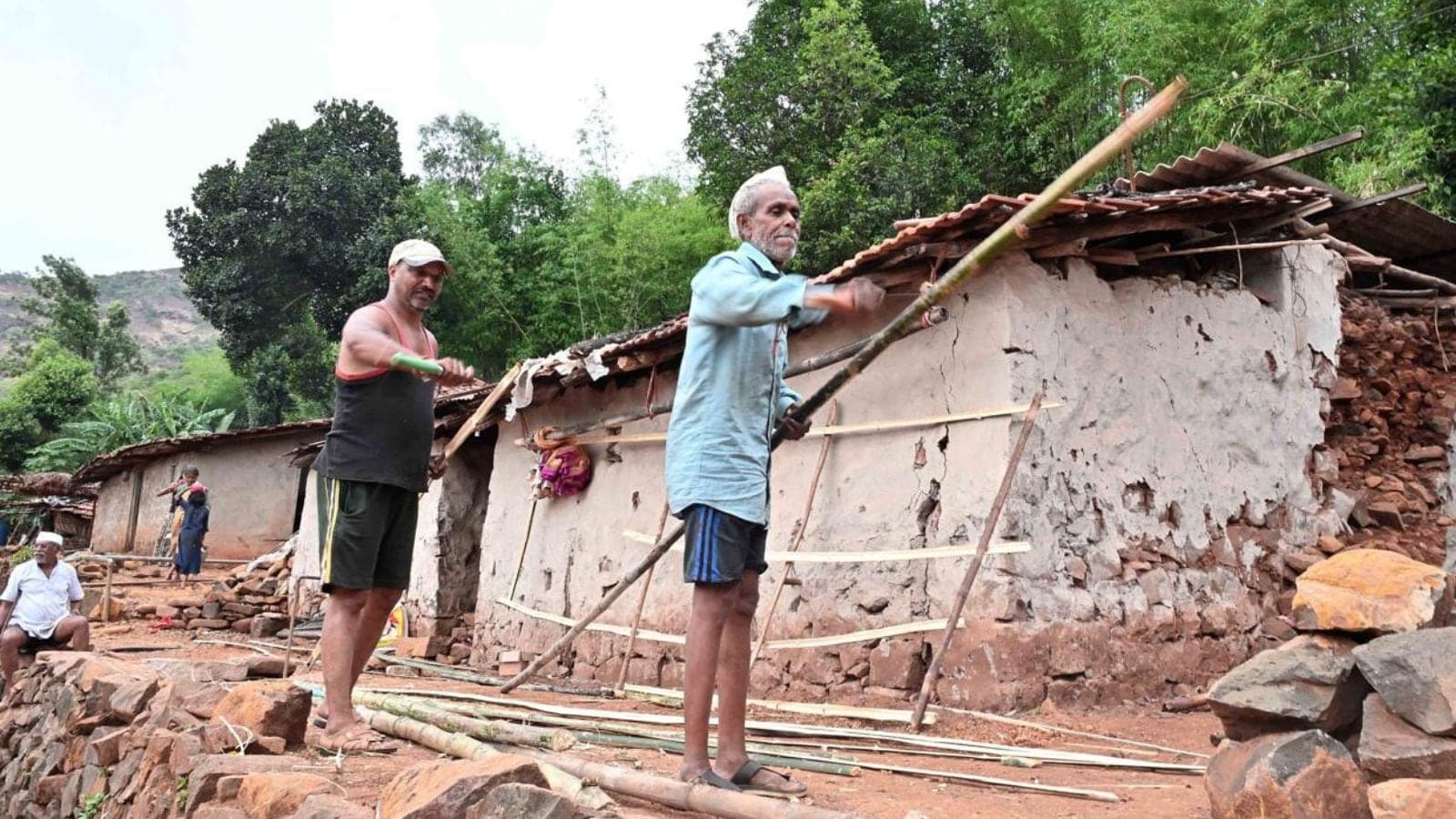
While one settlement bearing the name thrives in Rajasthan, a remote tribal hamlet in Pune remains trapped in a cycle of isolation, awaiting basic infrastructure.
The name ‘Dhanawali’ evokes different realities depending on the map one consults. In the Bari tehsil of Rajasthan’s Dholpur district, the village is a documented settlement of roughly 248 people, connected by road and governed by a functional Panchayati Raj system. However, for the residents of the other Dhanawali—a tribal hamlet perched high in the Sahyadri ranges of Pune—the name has become synonymous with a decades-long struggle against geography and bureaucratic apathy.
A Tale of Two Landscapes
The contrast between these two locations is stark. The Dhanawali in Rajasthan functions as a standard administrative unit with established connectivity. Conversely, the Dhanawali in the Bhor taluka of Pune district is a village divided by a fractured promise. Since a government relocation plan was introduced in 1990, the community has been split between Khalchi (lower) Dhanawali and the isolated Varchi (upper) Dhanawali. While the lower settlement manages a tenuous connection to the state transport network, the 25 families residing in the upper reaches remain effectively cut off from the modern world.
The Cost of Isolation
For the 600 residents of the Pune village, the absence of a road is not merely an inconvenience; it is a matter of survival. Medical emergencies often require the use of a ‘daal’—a bamboo stretcher—to transport the sick down treacherous slopes. Residents recall harrowing journeys, such as when a local woman suffering from severe illness had to be carried on the backs of relatives to reach the nearest hospital in Nigudghar. This lack of access extends to the tragic finality of death; when a resident passes away, the body must be manually carried up the hill by kin, as no vehicle can navigate the terrain.
Bureaucracy and Broken Promises
The plight of the Mahadev Koli tribal community has been compounded by failed administrative initiatives. Despite years of advocacy by local leaders like Dattatraya Dhanawale, critical infrastructure remains absent. Furthermore, the district administration has flagged the village as being in a high-risk landslide zone, yet a proposal to relocate the community—part of a larger Rs 63.81-crore project covering four vulnerable villages in Pune—remains stuck in bureaucratic limbo. Officials have confirmed that with the monsoon season approaching in June, any prospect of relocation is off the table for another year.
An Uncertain Future
While state agencies continue to debate the logistics of disaster preparedness and fund allocation, the residents of the upper hamlet continue their daily trek, which they describe as an inevitable routine rather than a choice. As the monsoon clouds gather over the Sahyadris, the community faces the seasonal anxiety of living in a zone that authorities have identified as unsafe, yet have failed to evacuate. For the people of Dhanawali, the state’s presence is felt not through development, but through the enduring silence of stalled proposals and the heavy weight of the stretchers they carry.
The PoliticalPedia Editorial Desk brings verified, sourced political news and analysis from across India.