The Sahyadri Hamlet Where Death Is Carried by Hand: The Forgotten Plight of Dhanawali
Dhanawali – the Pune village that time, and the state, forgot
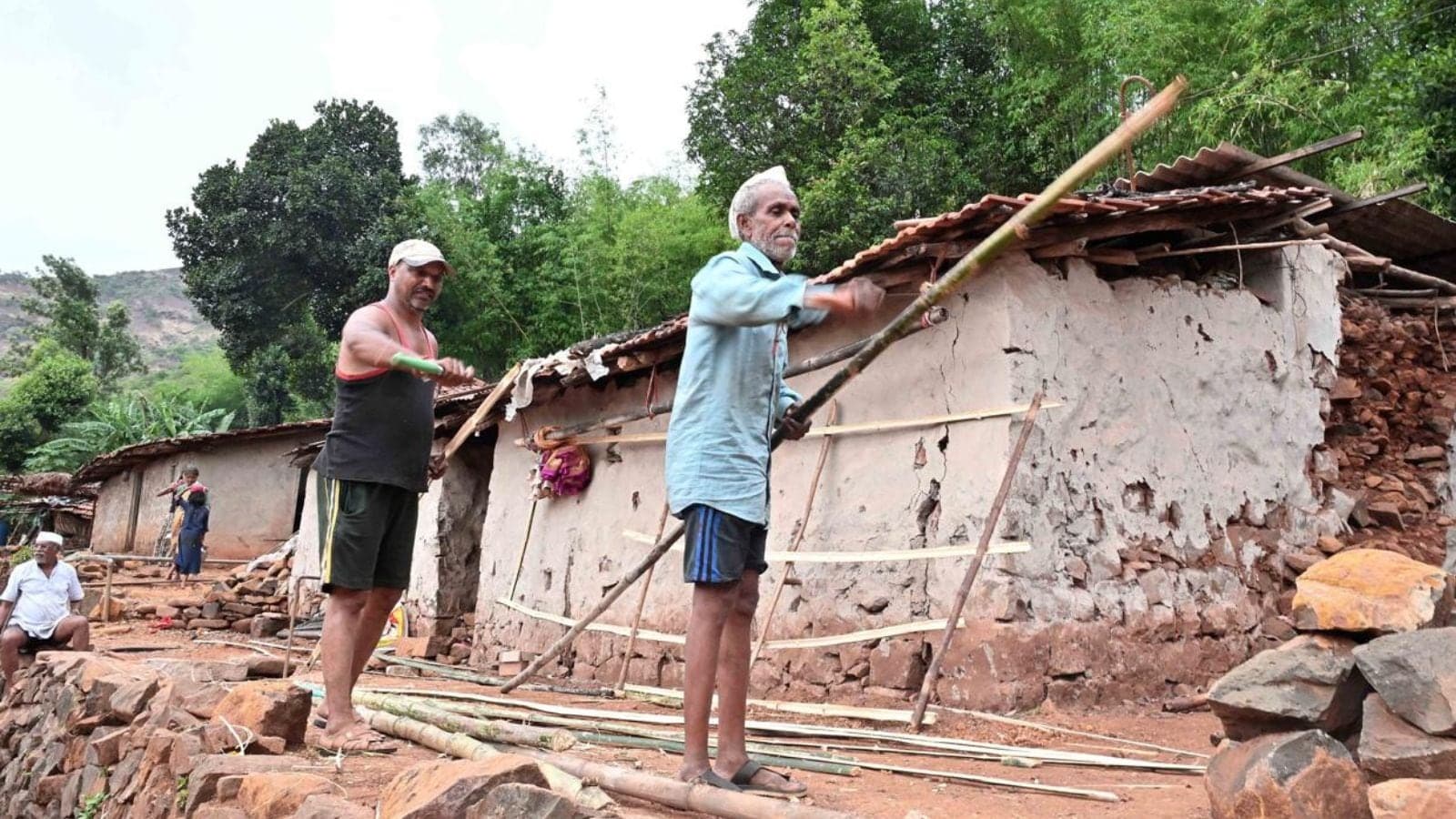
Isolated by geography and decades of administrative apathy, the tribal residents of upper Dhanawali in Pune district continue to live without the most basic of modern necessities.
For the residents of the upper hamlet of Dhanawali, the Sahyadri ranges are not a scenic backdrop; they are a formidable barrier that separates them from the modern world. Nestled 60 kilometres southwest of Pune, this tribal settlement, home to nearly 300 people from the Mahadev Koli community, remains perpetually cut off. There is no road leading up to this hill, and for those who call this place home, the daily struggle for survival begins with a treacherous climb that most outsiders would consider an arduous trek.
A Legacy of Isolation
The village’s current reality was shaped in 1990, when a government relocation plan prompted some families to move to the base of the hill, forming Khalchi (lower) Dhanawali. While those who moved gained a tenuous connection to the outside world, the 25 families who remained in the upper hamlet were left behind. Their decision to stay was rooted in pragmatism—their ancestral farmland and their entire livelihoods were tied to the terrain they had inhabited for seven generations. Over the ensuing decades, this choice transformed into a quiet, state-sanctioned abandonment.
The divide between the two hamlets is stark. Khalchi Dhanawali is connected to Kankwadi—a hub for public transport—by a road, though it is perpetually in disrepair. Mahesh Kalekar, the local Gramsevak, notes that 85 per cent of this 3.5 km stretch is in poor condition, with only a small 500-metre patch receiving attention under the Thakkar Bappa Adivasi Vasti Sudharana Yojana this past April. For those in upper Dhanawali, however, the situation is far more dire: there is no road at all.
The Cost of Being Left Behind
The lack of infrastructure carries a heavy human toll. When Banabai Dhanawale’s son passed away from a heart attack recently, there was no vehicle to transport his body. Instead, the family had to rely on a daal—a makeshift bamboo stretcher. Carrying a body down the steep, pathless incline took four hours of grueling effort. This stretcher is the only "ambulance" the village knows, serving as the primary method for transporting both the sick and the deceased.
Dattatraya Dhanawale, the Chairman of the Mahadev Koli Samaj in Bhor taluka, has spent three decades lobbying officials for electricity, water, and road access. His efforts have met with limited success, leaving the residents to navigate their lives in a vacuum of development. Simple tasks, such as purchasing a matchbox or procuring essential medicine, require a journey that is physically taxing and time-consuming.
The systemic neglect of Dhanawali highlights a recurring issue in rural development, where topographical challenges often serve as an excuse for administrative inaction. As long as the upper village remains inaccessible, the residents are effectively locked out of the basic assurances of healthcare and connectivity that define the rest of the Pune district. For the people of this hill, the state’s presence is felt only in the absence of the services they are so consistently promised.
The PoliticalPedia Editorial Desk brings verified, sourced political news and analysis from across India.