Kiren Rijiju Defends Education Minister Amid NEET Controversy, Cites Autonomous Body Accountability
Education Minister isn’t running away… he’s taken steps to fix the problem: Kiren Rijiju
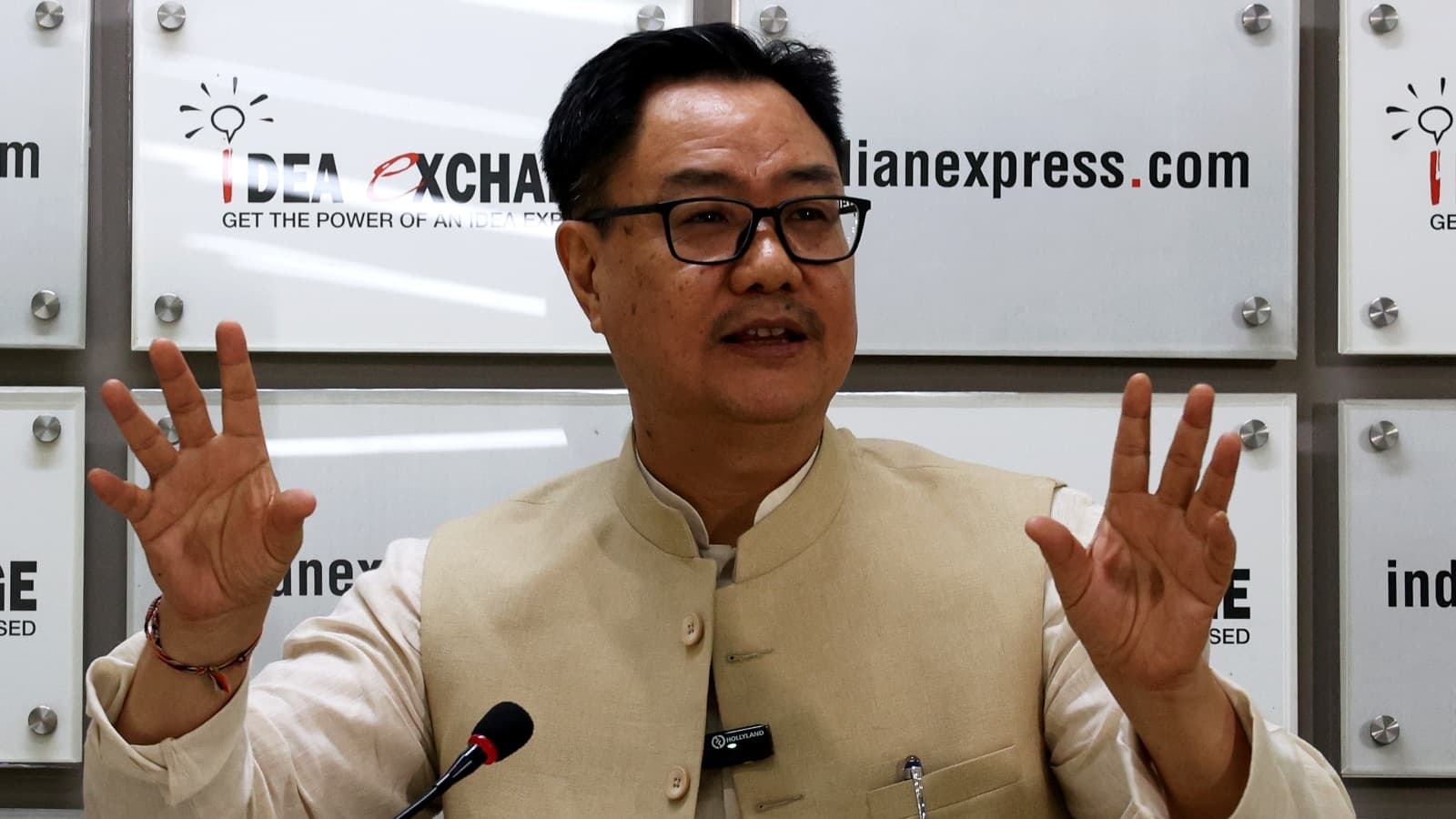
Union Parliamentary Affairs Minister Kiren Rijiju argues that the education minister is proactively addressing exam issues rather than evading responsibility.
Amid mounting political pressure and student protests over NEET exam irregularities and CBSE marking glitches, Union Minister Kiren Rijiju has stepped forward to defend the Education Minister, Dharmendra Pradhan. Speaking at an Idea Exchange session, Rijiju dismissed calls for Pradhan’s resignation as politically motivated, asserting that the government is actively working to resolve the systemic failures that have left thousands of students in limbo.
Distinguishing Institutional Accountability
A core component of the government's defense rests on the structural independence of the institutions involved. Rijiju emphasized that both the National Testing Agency (NTA) and the CBSE function as autonomous entities. According to the minister, there is a clear distinction between a ministerial failure and an institutional one. "If a fraud is committed by the Minister or the Minister’s staff, then the Minister is responsible," Rijiju stated, noting that when an autonomous body faces trouble, the organization itself must be held answerable.
The minister argued that these bodies are not under the day-to-day monitoring of the education minister, which creates a buffer in terms of direct operational accountability. This stance attempts to decouple the political leadership from the specific technical and procedural lapses that have marred recent examinations, including the stress surrounding the upcoming NEET re-tests.
The Benchmark of Integrity
Addressing historical comparisons, Rijiju contended that the current administration maintains a higher standard of probity than previous regimes. He pointed to the lack of corruption allegations against ministers or their immediate staff over the last 12 years. By drawing a contrast with the UPA era, where he claimed scandals were a recurring monthly feature, he sought to frame the current situation as a technical challenge rather than a moral or systemic failure of the ministry.
The argument presented by the government is that accountability is reserved for cases involving personal corruption or direct involvement in wrongdoing. Because there is no evidence linking the minister or his office to bribery or manipulation, Rijiju maintained that resignation demands are premature and lack the necessary precedent.
Moving Forward
While the office of the education minister has remained silent on the recent controversies, the government’s message is clear: the focus remains on fixing the glitches rather than political departures. The administration is signaling that its primary obligation is to the student body, aiming to restore confidence in the examination process through institutional corrections. For the lakhs of students facing uncertainty, the government's insistence on the autonomy of the system is the prevailing narrative, even as critics continue to question the depth of oversight provided by the ministry.
The PoliticalPedia Editorial Desk brings verified, sourced political news and analysis from across India.