Digvijay Singh urges PM Modi to intervene as CBSE’s mid-session language policy sparks controversy
Digvijay Singh writes to PM Modi to roll back CBSE’s three-language policy
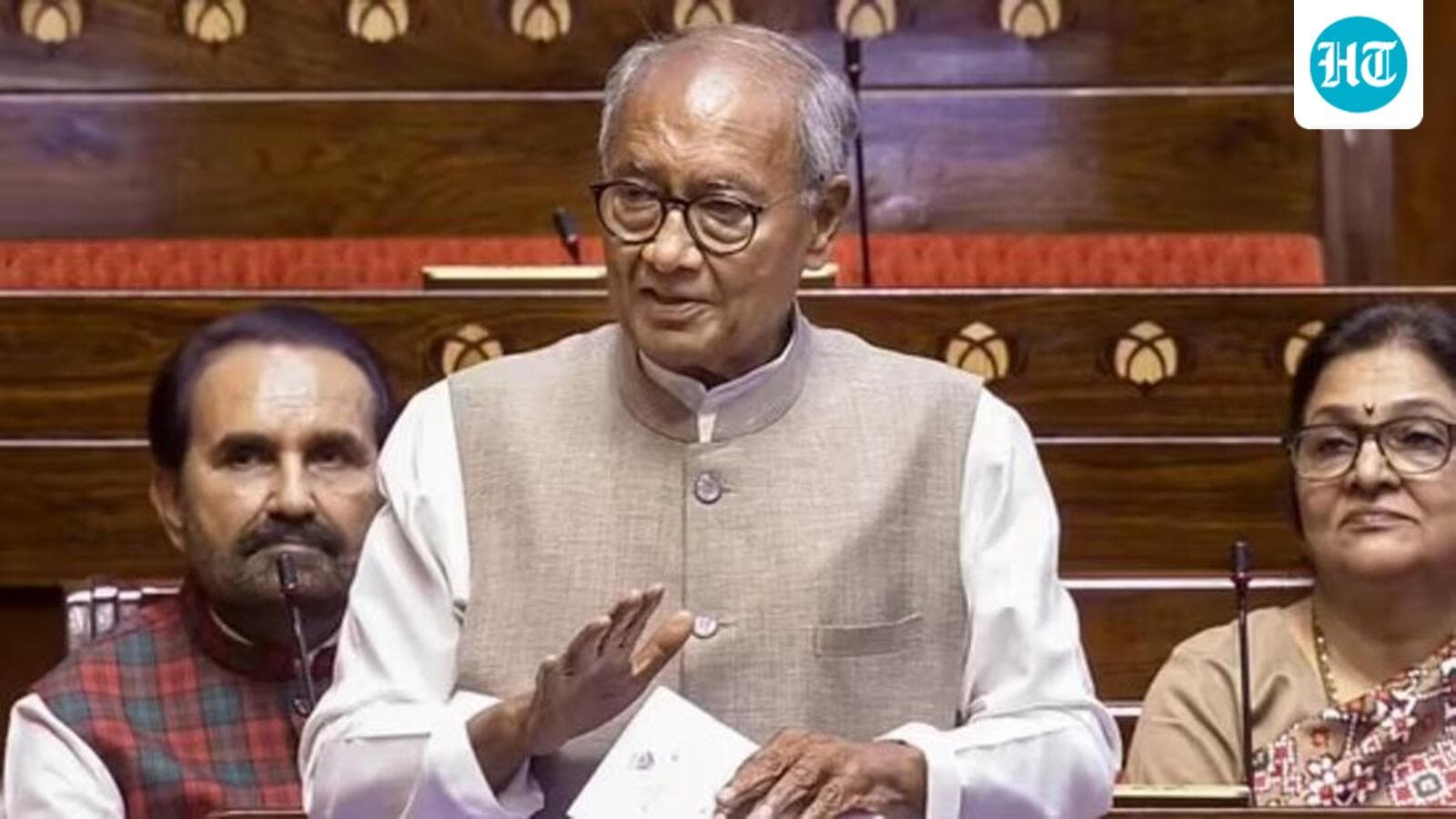
Congress leader Digvijay Singh has petitioned PM Modi to halt the sudden introduction of a mandatory three-language system for Class IX students, citing a lack of resources and preparation.
Congress Member of Parliament and chairman of the Parliamentary Standing Committee on Education, Digvijay Singh, has formally requested that PM Modi intervene to roll back a controversial directive issued by the Central Board of Secondary Education (CBSE). In a letter dated June 5, Singh warned that the board’s decision to mandate a three-language policy for Class IX students starting July 1 threatens to trigger widespread academic disruption.
The intervention follows a signed representation from concerned parents who view the policy as “untenable.” Singh, in his communication to the Prime Minister, drew parallels to the previous on-screen marking (OSM) row, which caused significant distress for millions of students. He cautioned that enforcing a major curriculum shift mid-session, without providing the necessary infrastructure, trained teachers, or appropriate learning materials, is a recipe for administrative chaos.
A contradiction in board records
The controversy is compounded by conflicting directives within the CBSE itself. Records show that as recently as December 2025, the board’s governing body had endorsed a curriculum committee recommendation to maintain the existing scheme of studies. At that time, the committee explicitly noted that the necessary graded textbooks for regional languages—envisaged under the National Curriculum Framework 2023—had not yet been published by the NCERT.
Despite this internal consensus, the board issued a circular on May 15, mandating that all affiliated schools implement the three-language structure (R1, R2, and R3) by July 1, 2026. This sudden mandate requires at least two of the three languages to be native Indian languages. To bridge the gap, the CBSE has instructed schools to utilize Class 6 textbooks for the Class 9 curriculum, a stopgap measure that school principals have criticized as pedagogically flawed.
The impact on classrooms
Educators and school administrators have openly challenged the board’s claim that there is a 75-80% competency overlap between the two grade levels. The lack of secondary-level textbooks remains the primary point of friction, leaving schools scrambling to adjust their academic planning mere weeks before the new requirements take effect. By elevating this issue to the Prime Minister’s office, Singh is pushing for a full reversal of the mandate for the current academic year, arguing that the system is currently incapable of supporting such a transition.
As of now, the situation remains fluid, with parents and school management committees awaiting a response from the government. The case highlights broader concerns regarding the speed of implementation for new national education policies and the logistical strain placed on the school system when curriculum changes outpace the availability of essential teaching resources.
The PoliticalPedia Editorial Desk brings verified, sourced political news and analysis from across India.