Kerala’s Forest 'Carrying Capacity' Push Faces Skepticism From Wildlife Experts
Experts question Kerala’s move to assess carrying capacity of forests and conduct wildlife census to mitigate conflicts
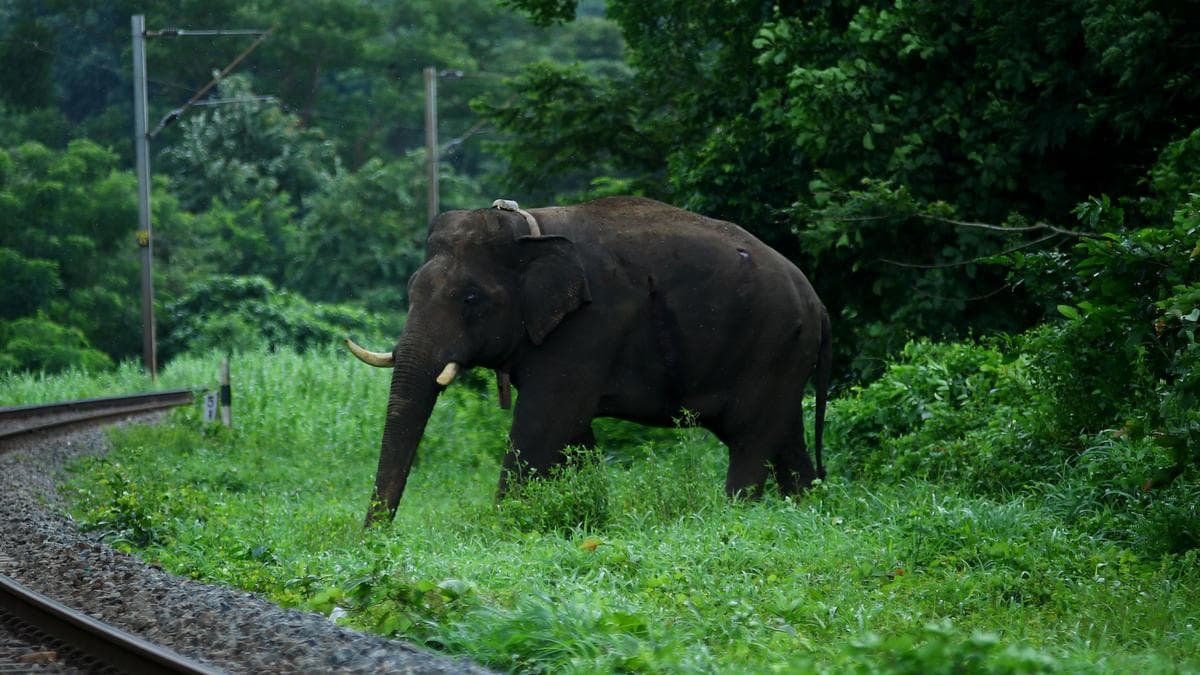
The state government’s plan to use scientific studies to address human-wildlife conflict has triggered a debate over whether it ignores deeper ecological degradation.
As the shadow of the tiger looms larger over the fringes of Wayanad, the Kerala government has unveiled a 100-day action plan intended to settle the state’s escalating human-wildlife conflict. Forest Minister Shibu Baby John has announced that the administration will enlist the Wildlife Institute of India (WII), Dehradun, to conduct a formal assessment of the carrying capacity of Kerala’s forests. The goal is to determine exactly how many animals—specifically elephants and tigers—the landscape can realistically sustain.
For a state where the boundaries between protected forest and human habitation are increasingly blurred, the announcement carries significant weight. Minister John has pointed to preliminary, though unverified, figures suggesting that the elephant population may have doubled in recent years. He also cited a territorial mismatch in Wayanad, where he claims each tiger has only 4 sq km of space, far below the 20 sq km experts typically associate with the species. According to the government, these numbers explain the rising frequency of lethal encounters.
The Scientific Pushback
However, the proposal has hit a wall of expert criticism. Conservationists and biologists argue that focusing on "carrying capacity" is a dangerous oversimplification. P.S. Easa, a member of the National Board for Wildlife, warned that any assessment must move beyond mere headcounts. "Any carrying-capacity assessment must consider human settlements, human activities and their impact on wildlife habitats," Easa said. He cautioned that the government should not view the WII as a provider of a "ready-made" fix, urging for rigorous, independent scrutiny of the forests' actual health before drawing conclusions about overpopulation.
Critics point out that the state’s forest department is already conducting wildlife censuses, including advanced camera-trap surveys for tigers. They argue that the real culprits behind the conflict are not necessarily animal numbers, but systemic issues like forest fragmentation, the degradation of corridors, and the relentless creep of human activity into buffer zones. By framing the crisis as a population management problem, experts fear the government is sidestepping the harder task of land-use planning and habitat restoration.
Why it matters: The Bigger Picture
This clash reflects a recurring tension in Indian conservation: the struggle to balance development with ecological limits. If the state uses the WII study to justify culling or aggressive relocation, it could trigger a massive legal and ethical backlash. The larger issue remains the squeeze on India's biodiversity hotspots; when human and animal populations are forced into the same shrinking space, the conflict is often a symptom of habitat loss, not an "overpopulation" of wildlife. Ultimately, any policy that ignores the human footprint on the landscape will likely fail to provide the long-term coexistence that both villagers and conservationists are demanding.
National Affairs Desk at PoliticalPedia covers government & policy for an Indian audience in English and Hindi.