Growing Discontent: Karnataka Muslim Groups Warn Congress Over Unfulfilled Promises
Muslim leaders warn Congress against ignoring their concerns in Karnataka
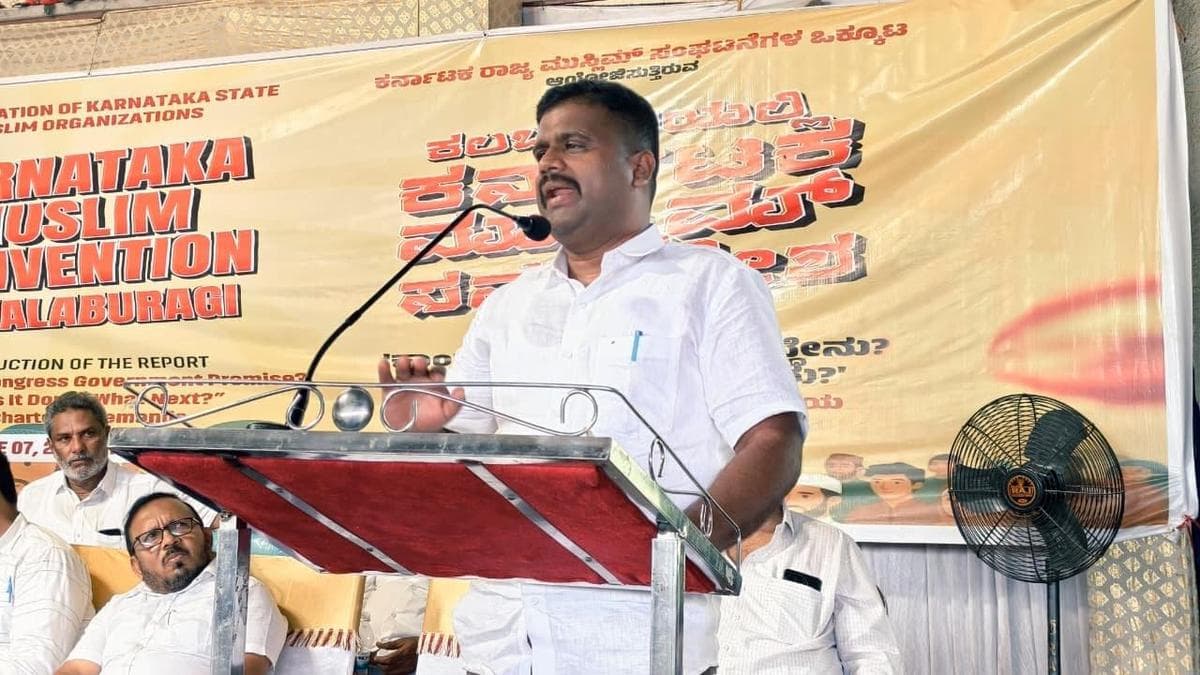
Leaders of various community organisations have issued a stern ultimatum to the state government, citing neglect of minority interests and a lack of political representation.
The political honeymoon between the Congress party and its core support base in Karnataka appears to be fraying at the edges. In a significant gathering in Kalaburagi, members of the Federation of Karnataka State Muslim Organisations openly cautioned the state government against taking their electoral backing for granted. With nearly 50 lakh Muslim voters having contributed to the party's rise to power, community leaders are now demanding that the government pivot from rhetoric to concrete action.
At the heart of the frustration lies a list of long-standing demands that remain largely unaddressed. Sohail Ahmed, speaking at the Karnataka Muslim Convention, pointed to the stalled proposal to increase reservation under Category 2(B) from 4% to 8%. Beyond the quota debate, the federation is pushing for a substantial ₹10,000 crore allocation for minority welfare in the state budget and equitable representation in both the Legislative Assembly and the Council.
A Growing Rift in Representation
The grievance extends beyond policy to the corridors of power. Leaders have expressed acute dissatisfaction with the party’s refusal to accommodate Muslim aspirants in elections, a trend they claim highlights a widening gap between the Congress leadership and the grassroots. The recent controversy surrounding the Davanagere bypoll—where the decision to field a candidate from a prominent political family rather than a minority representative caused friction—is just one symptom of this deeper unrest.
Haris Siddique, another prominent voice in the federation, highlighted the socio-economic vulnerabilities of the community. He took particular aim at the government’s pace in reversing the hijab ban imposed by the previous BJP administration, arguing that the delay had already cost thousands of Muslim girls crucial years of their education. The federation also accused the state of failing to curb organisations that promote communal disharmony, arguing that the government has yet to fulfill its promise to maintain strict law and order.
Why it Matters: The Electoral Calculus
The warning to "teach the Congress a lesson" by the 2028 assembly elections reflects a strategic shift. The community is increasingly framing its demands as a matter of constitutional rights rather than political patronage. By moving toward organised democratic pressure, these groups are attempting to force the Congress to choose between its traditional minority vote bank and its broader political strategy.
For the Congress, this presents a delicate balancing act. The party must manage the aspirations of a loyal constituency while navigating the complexities of "Soft Hindutva" accusations and the pressure to maintain a centrist appeal. If the current trajectory of dissatisfaction continues, the party risks losing the very coalition that propelled it to victory, potentially creating space for new political realignments in the state.
World Desk at PoliticalPedia covers global affairs for an Indian audience in English and Hindi.