Kerala White Paper Proposes Regulatory Oversight for Kochi Metro Amidst Financial Debate
White Paper on Kerala finances moots regulatory commission for Kochi metro user charges
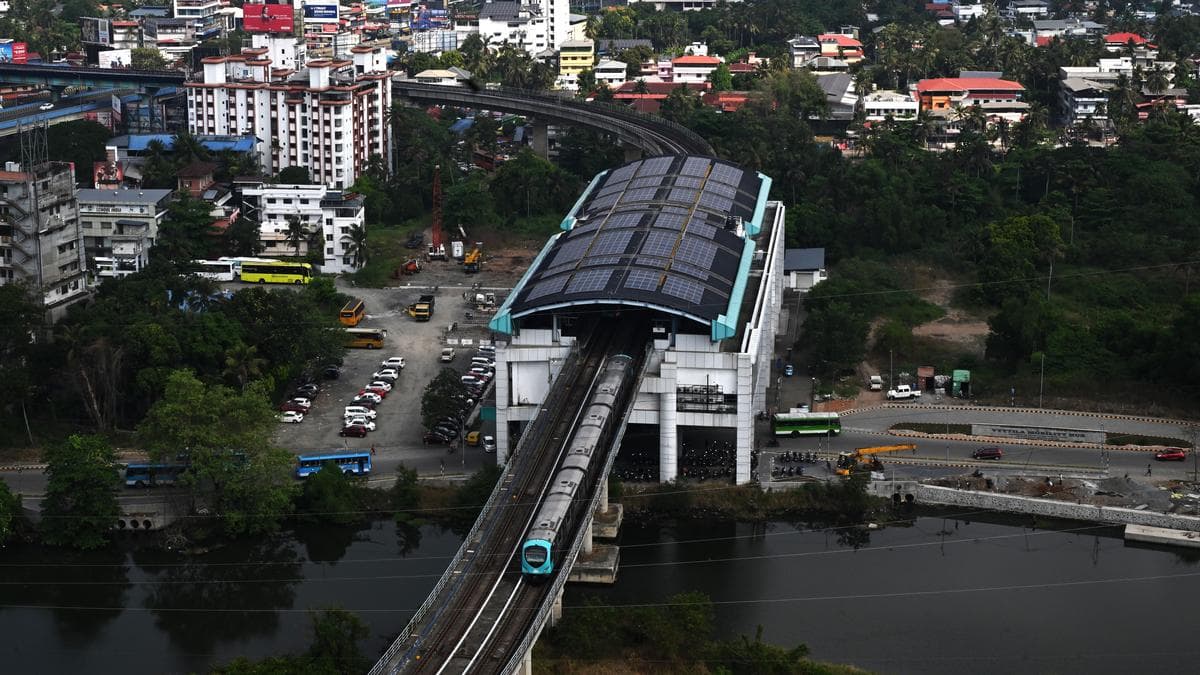
The state’s latest white paper on finances suggests a formal regulatory commission for user charges, even as the Kochi Metro demonstrates a consistent trend of operational profitability.
The Kerala government’s newly tabled white paper on state finances has ignited a fresh debate regarding the fiscal management of public transport infrastructure. Among its key recommendations, the document advocates for the creation of a regulatory commission tasked with setting user charges for metro services, drawing a direct parallel to the oversight mechanisms currently employed within the electricity sector. This proposal, positioned within the section evaluating state-run enterprises, comes as the government contemplates expanding the metro network to include projects in both Thiruvananthapuram and Kozhikode.
The Discrepancy in Financial Reporting
The white paper highlights a significant annual loss of ₹420 crore for the Kochi Metro, suggesting a monthly deficit of ₹35 crore. However, these figures have been viewed in a different light by the Kochi Metro Rail Limited (KMRL). While KMRL has not formally contested the math presented in the government document, the assertion of a persistent net loss stands in stark contrast to the company’s recent performance data.
In reality, the project has transitioned into a phase of consistent growth. Since the 2022–23 fiscal year, the metro has recorded three consecutive years of operational profit. The figures show a clear upward trajectory: from an operational profit of ₹5.35 crore in 2022–23, the surplus rose to ₹22.94 crore the following year, reaching ₹33.34 crore in 2024–25. During the most recent fiscal year, the system generated a total revenue of ₹182.37 crore against expenses of ₹149.03 crore.
Evaluating Metro Viability
Industry experts have long maintained that global metro systems rarely achieve total profitability, making the distinction between operational and net financial health critical. Kochi’s performance is notable, as it ranks among only four major metro systems in India to consistently post operational profits. The path to this stability was not linear; after an initial loss of ₹24.19 crore in 2017–18, the system saw fluctuations, including a sharp dip during the pandemic-impacted 2020–21 period, where losses touched ₹56.56 crore.
Despite the current discussions surrounding the proposed regulatory commission, the physical expansion of the city's transit infrastructure continues unabated. Work on the second phase of the Kochi Metro—which will connect the existing line to key hubs like Infopark and SmartCity via Kakkanad—remains on track for completion by next year. As the state government balances the ambitious goals of the Kerala transport vision against fiscal constraints, the role of independent oversight in setting fare structures remains a contentious but pivotal point for the future of urban mobility.
The PoliticalPedia Editorial Desk brings verified, sourced political news and analysis from across India.