From BJP to 'We The Leaders': Inside Annamalai’s Digital Push to Woo the Gen Z
Annamalai 2.0 Is All Set To Woo The Gen Z: Who Is In His Team?
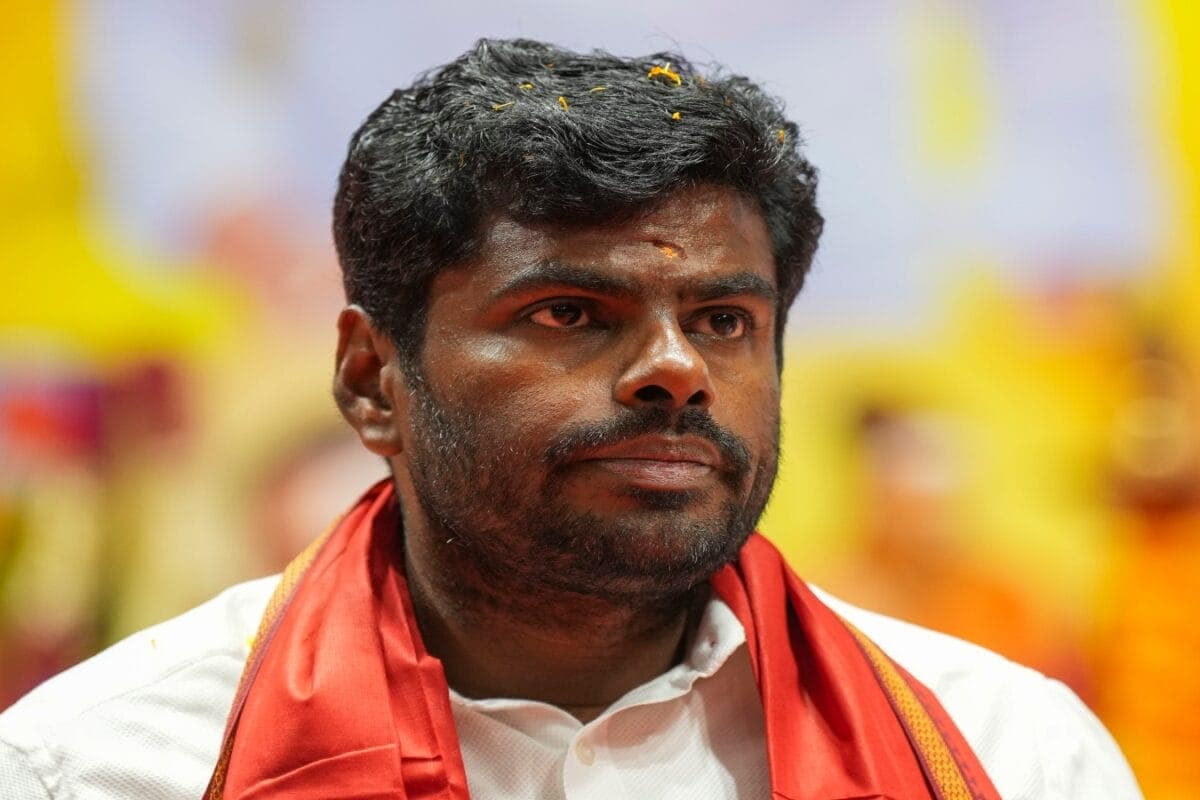
As K Annamalai launches his independent political movement, a tech-savvy core team is helping him pivot away from traditional media to capture the youth vote.
The ECR residence of K Annamalai has transformed into a high-energy war room. Following his departure from the BJP, the former state leader is moving rapidly to establish "We The Leaders," a new political movement that seeks to bypass conventional party structures. With over 10 lakh registrations already logged, the project is clearly designed to capture the digital-native audience, signaling that Annamalai is all set to woo the Gen Z demographic through a platform that prioritizes direct engagement over the traditional press conference circuit.
Building the 'We The Leaders' Core
Who is in his team? Unlike established parties that rely on seasoned political veterans or industrialist backers, this initiative is driven by a lean group of approximately 25 individuals. According to a source close to the developments, the team is a mix of long-time friends, alumni from IIM Lucknow, and professionals from the software industry. This eclectic blend suggests a deliberate shift toward data-driven, agile campaigning rather than the hierarchical approach common in legacy Indian politics.
The decision to move away from traditional media is a significant tactical shift. Much like the recent successful digital strategies employed by parties like the TVK, Annamalai’s team is leaning heavily into social media-first content. By releasing direct video addresses, they aim to cultivate a more personal connection with voters. In his recent digital outreach, Annamalai framed his exit from the BJP as a move to address "fundamental issues" within the state, while navigating the delicate balance between his identity as a proud Indian and his deep roots in Tamil culture.
The Strategy Behind the Movement
The political movement, which took three months to assemble, is explicitly trying to carve out a space that rejects divisive rhetoric. Annamalai said that his objective is to drive a more cohesive form of politics that holds power centers accountable without abandoning local interests. By framing his departure as a response to divergent goals, he is betting that a modern, digital-first approach will resonate with younger voters who are increasingly frustrated with the status quo.
Observers note that this pivot is reflective of a wider trend in regional politics where the traditional "mass leader" model is being augmented by algorithmic outreach. While the political landscape is currently crowded—with public attention often pulled toward unrelated national fascinations like the performance of the Indian cricket team—Annamalai is banking on a long-term digital strategy to keep his movement relevant. Whether this tech-heavy, youth-centric gamble can successfully translate into electoral strength remains to be seen, but the initial surge in registrations indicates that the appetite for a new, independent platform is substantial.
The PoliticalPedia Editorial Desk brings verified, sourced political news and analysis from across India.