‘J&K Was, Is, And Will Remain An Integral Part Of India’: India Rebukes Pakistan Over ‘Unwarranted References’ At UN
‘J&K Was, Is, And Will Remain An Integral Part Of India’: India Rebukes Pakistan Over ‘Unwarranted References’
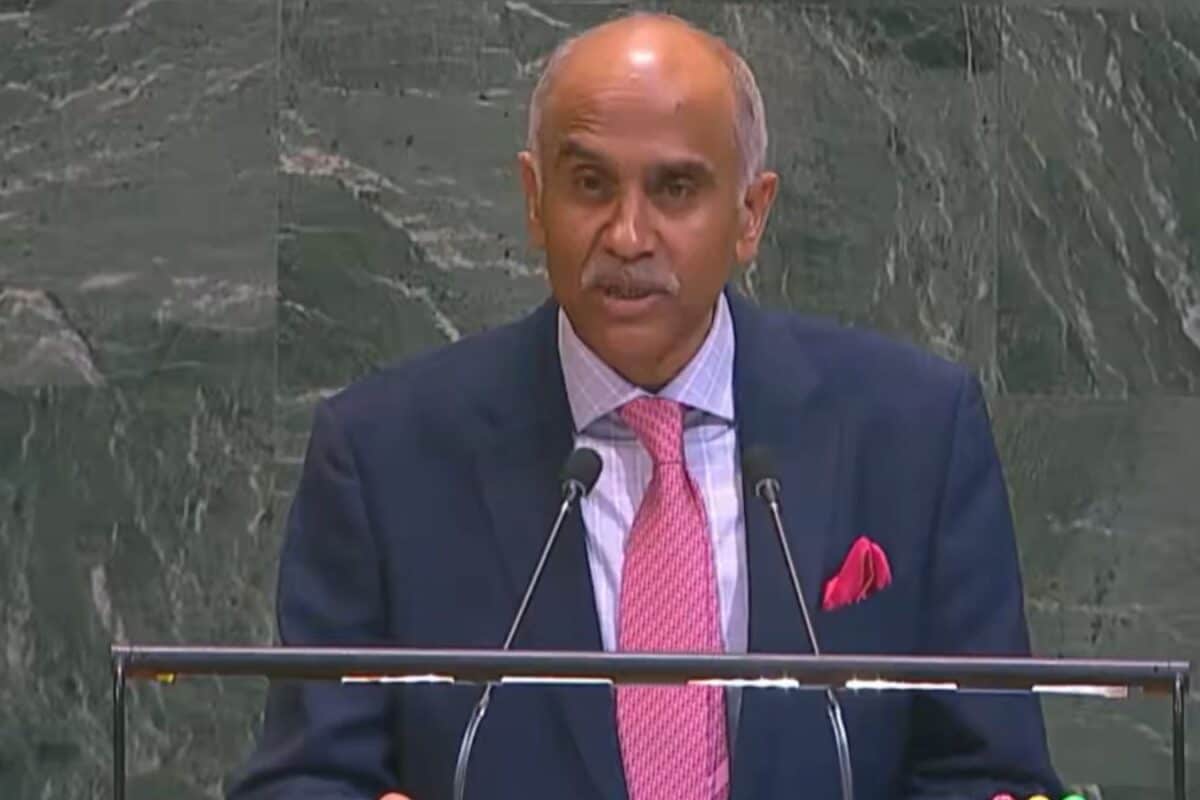
New Delhi has once again firmly asserted its sovereignty, dismissing Pakistan's persistent attempts to internationalize internal matters at the United Nations General Assembly.
The floor of the United Nations General Assembly (UNGA) became the latest stage for a sharp diplomatic confrontation as India hit back at Pakistan for bringing up Jammu and Kashmir during a plenary meeting focused on the UN Security Council’s annual report. India’s Permanent Representative to the UN, Parvathaneni Harish, did not mince words, labeling the move as yet another "unwarranted reference" by Islamabad meant to distract from the assembly's actual agenda.
Harish asserted with absolute clarity that Jammu and Kashmir was, is, and will remain an integral part of India. The Indian envoy pointedly reminded the chamber that the territory is an entirely internal matter, dismissing any claim by Pakistan to the contrary. This firm stance follows a broader pattern of New Delhi rebuking various international entities, including the European Union and joint statements involving China, whenever external parties attempt to weigh in on the status of the Union Territory.
A Pattern of Misuse
The friction began when Pakistan’s Permanent Representative, Asim Iftikhar Ahmad, steered the discussion toward the status of the region. India’s response was swift, accusing Pakistan of abusing its position as a member of the UN Security Council to peddle biased narratives. According to New Delhi, Pakistan has repeatedly circulated misinformed and misleading communications, effectively turning august UN platforms into tools for its own divisive political agenda.
"I’d like to remind Pakistan that being a member of the UN Security Council is a huge responsibility," Harish stated, emphasizing that the council is not the appropriate venue for spreading propaganda. By consistently raising this issue, India argues, Pakistan is not only misusing its status but also failing to uphold the decorum expected of a council member.
The Broader Diplomatic Context
This latest clash is part of a larger, ongoing diplomatic tug-of-war. India has maintained a consistent policy of rejecting any "locus standi" for third parties regarding Jammu and Kashmir. Whether it is addressing the Organization of Islamic Cooperation (OIC) or responding to joint statements involving the China-Pakistan Economic Corridor (CPEC)—which India frequently labels as illegal—New Delhi’s position remains anchored in the principle that no external actor has the standing to interfere in its internal territorial affairs.
For India, these repeated rebukes serve as a necessary boundary-setting exercise. By consistently calling out what it terms "indecorous behaviour" and false narratives, New Delhi aims to prevent the normalization of discourse that challenges its sovereignty on international stages. As the dust settles at the UN, the message from the Indian mission remains unequivocal: the global community’s time should be spent on matters of international security rather than Pakistan’s persistent, and rejected, political posturing.
The PoliticalPedia Editorial Desk brings verified, sourced political news and analysis from across India.