Trump’s Bold Claim: Iran Deal Stays on Track Despite Fresh Missile Barrage
'I call the shots': Trump insists Iran deal on track amid fresh strikes, says Bibi has 'no choice'
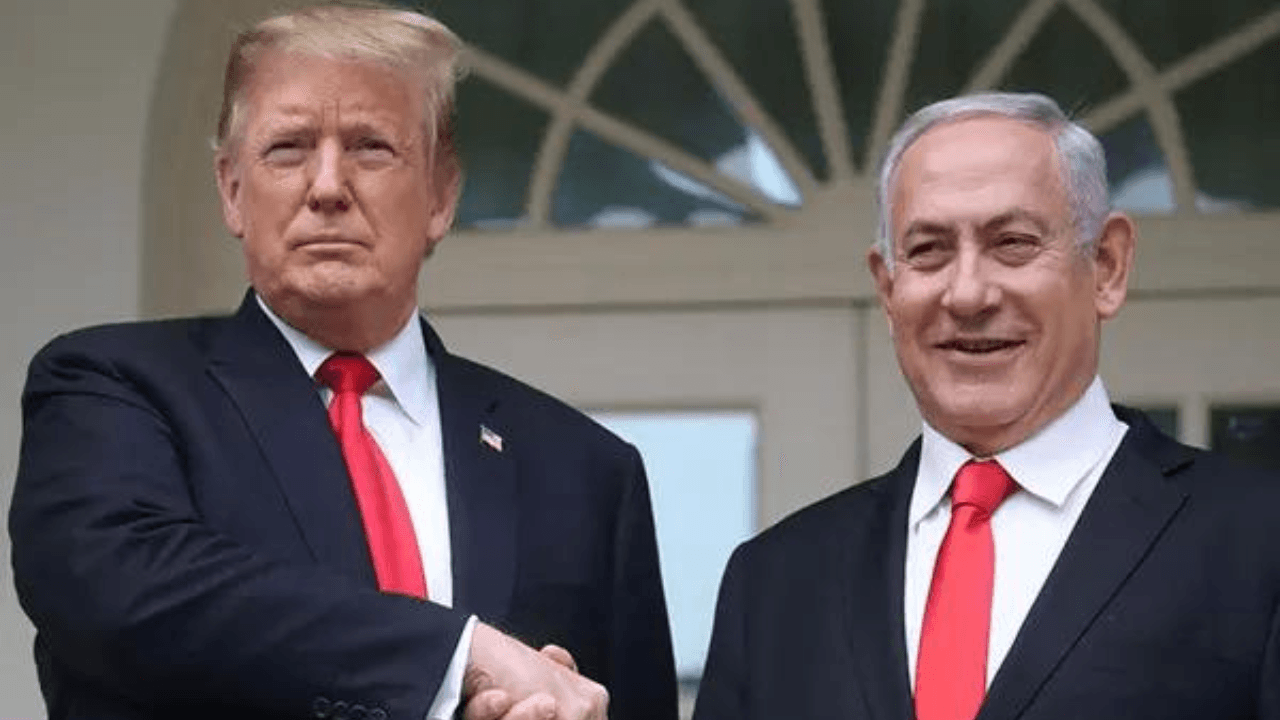
As regional tensions flare with fresh strikes, the US President asserts control over the diplomatic process, leaving little room for Netanyahu to dissent.
The fragile calm in the Middle East shattered this Sunday as Iran launched 11 missiles toward Israel, marking the first direct military confrontation between the two nations since the April 8 ceasefire. Yet, halfway across the globe, the tone from Washington remained strikingly defiant. US President Donald Trump, dismissing the potential for the conflict to derail his high-stakes diplomacy, insisted that the path toward an Iran deal is still open.
In a candid interview with the Financial Times, Trump made it clear that he believes he—not the Israeli leadership—holds the reins of the unfolding negotiation. When pushed on how Prime Minister Benjamin Netanyahu might react to a potential US-brokered agreement with Tehran, the President was blunt. "He won't have any choice," Trump said. "I call the shots. I call all the shots. He [Netanyahu] doesn't call the shots."
The Diplomatic Tightrope
The timing of the exchange could hardly be more volatile. The Israeli Air Force responded to the Iranian barrage by striking military targets deep within Iran, an operation guided by precision military intelligence. Despite this escalation—a clear violation of the recent truce—Trump remains unmoved in his public messaging. He dismissed the impact of the missile strikes on his broader agenda, stating, "It's not going to have any impact on the deal."
While the President maintained that diplomacy is his preferred route, his confidence in an imminent breakthrough appeared noticeably tempered compared to previous weeks. He noted that the deal "may make it on its own merit, or not," but refused to link the success of the negotiations to the ongoing skirmishes in the region, which he described as a conflict that has been "going for 3,000 years."
The Stakes of Failure
Should the current diplomatic track collapse, the President outlined two primary paths forward: a renewed military posture or the intensification of economic strangulation. Trump suggested that the US could "take care of the rest of the place that we didn't take care of militarily," or, alternatively, maintain the blockade on Iran, which he characterized as arguably more effective than direct combat.
Why it matters
The friction between the White House and Jerusalem highlights a fundamental shift in the regional power dynamic. By publicly asserting that Netanyahu would have "no choice" but to align with a US-Iran deal, the administration is signaling that its strategic interests regarding Tehran will not be held hostage by the security concerns of its regional allies. For markets and global stakeholders, this indicates that the US is prioritizing a definitive, unilateral resolution to the Iran file over traditional coalition building. If the deal proceeds, it risks deepening the rift between Washington and Tel Aviv; if it fails, the region faces the prospect of either a sustained economic blockade or a significant escalation in direct military engagement.
Business Desk at PoliticalPedia covers economy & markets for an Indian audience in English and Hindi.