India’s Economic Future Hinges on Guarding its Fragile Environment
India’s economic growth depends on protecting its fragile environment
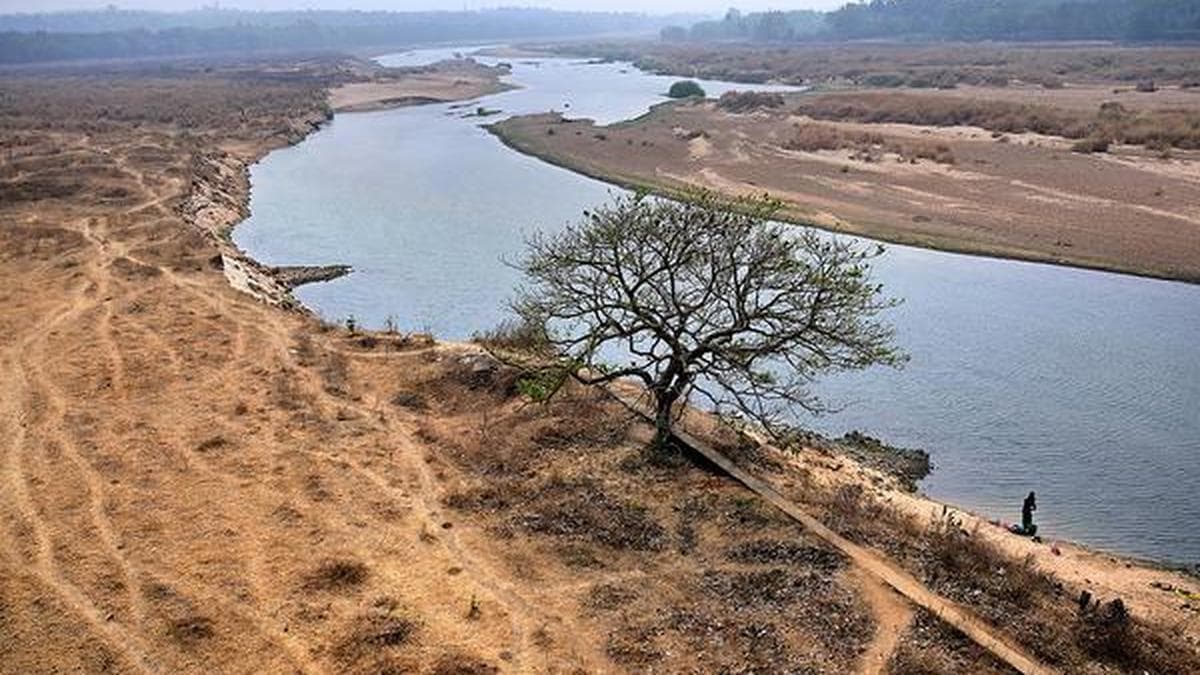
As the monsoon becomes increasingly unpredictable, India’s path to long-term prosperity requires integrating environmental health into the heart of its national fiscal policy.
For decades, the standard narrative of India’s progress has treated the environment as a secondary concern, a box to be checked after the primary goals of industrial and infrastructure development are met. However, as global climate patterns shift and the domestic landscape faces unprecedented pressures, economists and ecologists are arriving at a shared conclusion: the environment is not a separate sphere, but the very foundation upon which the Indian economy rests. From the Himalayan peaks to the coastal "blue economy," the country’s growth story is inextricably linked to the stability of its natural capital.
The Monsoon Imperative
The Indian economy remains uniquely tethered to the monsoon, a system that dictates everything from agricultural output to rural livelihoods. While the agricultural sector accounts for less than 20% of the GDP, it remains the primary employer for nearly half of the nation's workforce. When the monsoon falters—or becomes erratic due to climate change—the shockwaves are felt across the entire socioeconomic spectrum. Natural drivers are being heavily amplified by human activity, such as large-scale deforestation and land conversion for urban expansion. These changes do more than just alter the scenery; they fundamentally disrupt the interaction between the land, the atmosphere, and the oceans, rendering the monsoon increasingly sensitive to global warming.
Beyond the Balance Sheet
Integrating biodiversity into national economic planning is no longer a luxury; it is a strategic necessity. Recent reports highlight that biodiversity serves as a natural defense against the extremes of climate change, acting as a buffer that protects infrastructure and agriculture from catastrophic loss. Yet, in regions like Ladakh, the strain is already showing. As tourism reaches a tipping point, the local ecosystem struggles to sustain the influx of visitors, serving as a microcosm for the broader national challenge. Policymakers are now tasked with the difficult balancing act of promoting growth in smaller states and border regions while ensuring that the very ecosystems drawing that investment are not destroyed in the process.
A Rethink of Development
The fallacy that economic growth can be achieved by exploiting the environment is being dismantled by reality. Economist Herman Daly famously argued that human economies exist entirely within the environment, not alongside it. When air, water, and land health are degraded, the costs are eventually internalized by the state through public health crises, food insecurity, and the loss of natural resources. As India looks toward future budgets and growth targets, the focus must shift from "green on paper" initiatives to tangible, ground-level conservation. Protecting the environment is not merely an act of stewardship; it is the most robust insurance policy India can purchase for its national security and economic future.
The PoliticalPedia Editorial Desk brings verified, sourced political news and analysis from across India.