From Debt to Prosperity: How Tree-Based Agriculture is Transforming the Cauvery Basin
Save Soil–Cauvery Calling: Farmers' income jumps from Rs 30,000 to Rs 3 lakh per acre
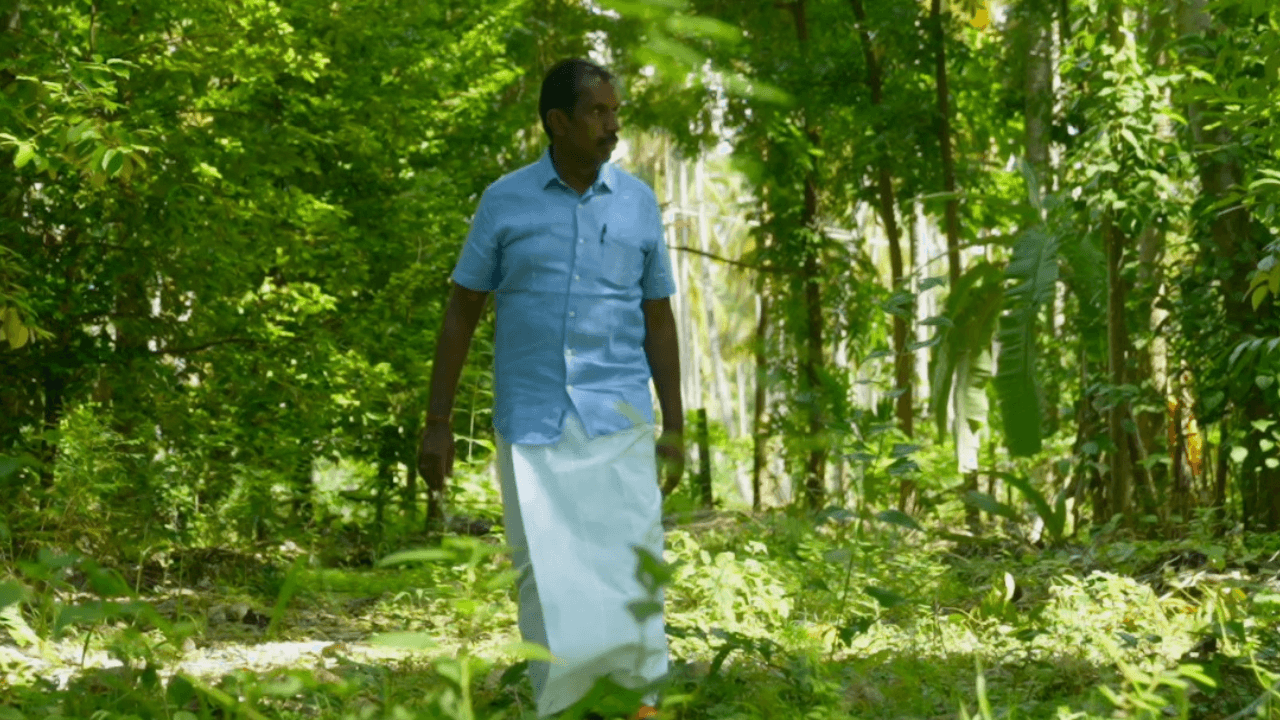
A revolutionary shift towards multi-tier, tree-based farming is helping farmers in the Cauvery basin boost their annual incomes nearly tenfold while restoring vital soil health.
For years, Valluvan, a farmer from Tamil Nadu’s Pollachi district, was trapped in a cycle of diminishing returns. His coconut monoculture farm was a financial drain, costing him Rs 500 per tree annually while yielding only Rs 300 in returns. Today, that same land has been transformed into a thriving food forest, with annual earnings climbing from Rs 30,000 to as much as Rs 3 lakh per acre. This turnaround is the result of a transition to multi-crop, tree-based agriculture championed by the Save Soil–Cauvery Calling movement.
A Model for Ecological and Economic Resilience
The success of the Cauvery Calling initiative lies in its departure from traditional monoculture. By integrating diverse species—ranging from timber trees like teak and red sandalwood to crops such as nutmeg, pepper, turmeric, and various banana varieties—farmers are creating an economic hedge. As project director Anand Ethirajalu explains, this strategy acts much like a cricket team with capable substitutes: when the price of one crop falters, others sustain the household.
Beyond income, the environmental impact is profound. In Valluvan’s case, the adoption of regenerative practices like mulching and rainwater harvesting allowed his farm to endure the severe 2017 drought, even as neighboring plots suffered. His farm’s soil organic carbon content, a key marker of fertility, rose significantly from 0.52% to 3.36% over the years, proving that ecological restoration and profitability can go hand-in-hand.
Scaling the Movement Across the Basin
The Cauvery river, which has seen its water flow drop by over 40% in the last 70 years, is the lifeblood of millions. To revitalize the river basin, the movement has set an ambitious goal: to support the plantation of 242 crore trees on private farmland. To date, the program has successfully enabled 2.6 lakh farmers to shift their farming practices, with 13.4 crore trees already planted across Tamil Nadu and Karnataka.
The logistical backbone of this effort is a network of high-capacity nurseries. The Cuddalore nursery, one of the largest single-site facilities in Asia, is managed by a team of over 200 women and produces 85 lakh saplings annually. Complementing this is a facility in Thiruvannamalai, which adds another 15 lakh saplings to the supply chain. These are distributed through nearly 50 centers, providing farmers with subsidized access to 54 different plant varieties.
The Call for Policy Reform
Despite these successes, leaders of the movement emphasize that individual efforts require structural backing. On World Environment Day, representatives urged the government to formalize policies that incentivize tree-based farming and offer better financial support for water-efficient irrigation, particularly for timber crops.
As climate change continues to stress rural livelihoods, the Save Soil–Cauvery Calling model offers a blueprint for systemic change. By aligning farmer-led initiatives with government support, proponents believe India can secure rural livelihoods while simultaneously replenishing water resources and reviving the soil for future generations.
The PoliticalPedia Editorial Desk brings verified, sourced political news and analysis from across India.