India to Launch 5,000 Flex-Fuel Ethanol Stations by 2027: Hardeep Singh Puri
500 ethanol pumps by year-end: Union minister Hardeep Singh Puri
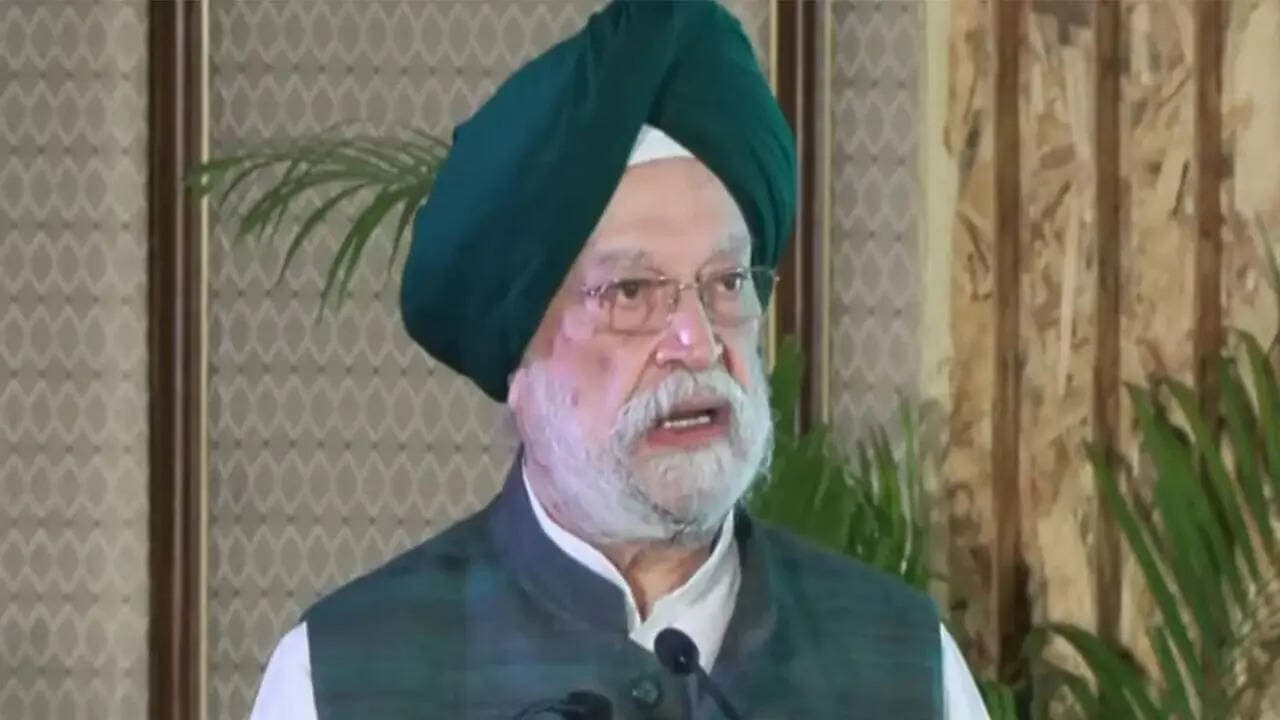
The government is scaling up infrastructure for high-blend ethanol vehicles, targeting a massive expansion of dispensing outlets to reduce reliance on imported fossil fuels.
India is set for a major shift in its transportation landscape as the government moves to normalize the use of high-blend ethanol fuel. Union Minister for Petroleum and Natural Gas, Hardeep Singh Puri, announced that the country plans to have 500 stations capable of dispensing E85 fuel operational by the end of 2026. This initiative is designed to support the increasing availability of flex-fuel vehicles (FFVs) that can run on ethanol blends beyond the currently common 20% limit.
Bridging the Gap in Fuel Infrastructure
The minister stated that the rollout will begin with 50 to 100 stations concentrated in the Delhi-NCR, Mumbai, Pune, and Nagpur corridors. This initial phase serves as the foundation for a much larger nationwide network, which the government expects to grow to 5,000 outlets by December 2027. Puri noted that previous efforts to popularize such stations were hindered because the automotive market lacked sufficient compatible vehicle models. By aligning the availability of these vehicles with the necessary dispensing infrastructure, the government aims to overcome the "chicken-and-egg" cycle that has historically slowed adoption.
Supporting the Shift to Flex-Fuel
The announcement came during the unveiling of Maruti Suzuki’s first flex-fuel passenger vehicle, the WagonR. This launch, preceded by the introduction of flex-fuel variants for Hero MotoCorp’s popular motorcycle models, marks a turning point in the domestic automobile sector. According to Puri, the government is introducing a range of supportive measures to ensure this transition remains viable for consumers. These include pricing strategies to keep ethanol-based fuel affordable, potential road tax concessions, and specialized testing fuels to assist in the rollout of these new technologies.
Economic and Environmental Impact
The broader goal of this policy is to curb India's dependence on imported crude oil, a burden that costs the country roughly $120 billion annually. By leveraging biomass to produce ethanol domestically, the government hopes to create a "win-win" scenario that bolsters farmer incomes while improving the nation's energy security. Data shared by the minister highlighted that India has already increased its ethanol blending in petrol from just 1.5% in 2014 to 20% today, leading to significant foreign exchange savings.
Future Projections
Industry experts suggest that if 50% of new vehicle sales shift to flex-fuel compatibility, the national demand for ethanol could surge by an additional 400 crore litres. As the government continues to refine storage and dispensing infrastructure, the emphasis remains on maintaining consumer affordability. Puri emphasized that for the program to succeed, the economics must make sense for the average driver, ensuring that the cost of using E85 or E100 fuel remains competitive compared to traditional petrol.
The PoliticalPedia Editorial Desk brings verified, sourced political news and analysis from across India.