India and Russia Chart Roadmap to $100 Billion Trade Target as Energy Ties Deepen
Putin plans to expand Indo-Russian trade deal to $100 bn, energy seen as main driver
Prime Minister Narendra Modi and President Vladimir Putin have unveiled a comprehensive five-year economic plan, cementing a strategic shift toward long-term trade, energy security, and connectivity.
The bilateral relationship between New Delhi and Moscow has entered a phase of intensified economic integration, with both nations committing to a $100 billion trade target by 2030. During the recent summit, President Vladimir Putin and Prime Minister Narendra Modi moved beyond traditional defense-centric diplomacy, formalizing a roadmap that prioritizes energy, technology, and connectivity. This strategic pivot aims to address the current trade imbalance and foster a more sustainable, diversified economic corridor that bridges the Eurasian landmass with the Indian Ocean.
Strengthening the Energy Axis
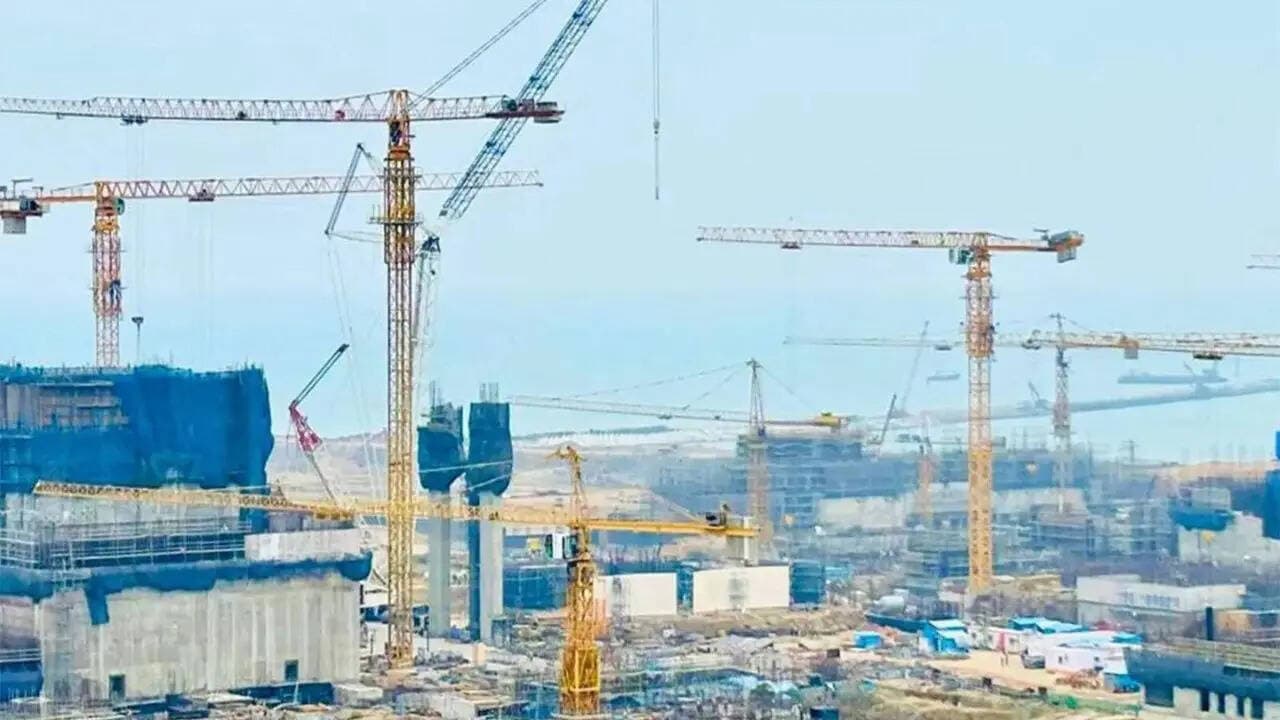
Energy remains the cornerstone of this partnership. President Putin underscored the progress of the Kudankulam Nuclear Power Plant in Tamil Nadu, noting that three of the six planned reactors are already integrated into India’s power grid. Beyond nuclear cooperation, both leaders confirmed plans to explore new platforms for hydrocarbon trade. Despite international pressure and shifting geopolitical currents, Russia has positioned itself as a provider of uninterrupted fuel supplies, with the two nations actively working to mitigate barriers in logistics and payment settlements, including the increased use of domestic currencies.
A Vision for 2030
The newly unveiled "Vision 2030" roadmap is designed to transition the relationship from reactive transactions to long-term systemic cooperation. This includes a robust focus on agriculture, specifically in fertilizer production, to ensure regional food security. Negotiations for a Free Trade Agreement (FTA) with the Eurasian Economic Union are also gaining momentum, a move seen as vital for facilitating the flow of goods. By streamlining these commercial frameworks, the two sides hope to rectify the trade deficit exacerbated by rising oil imports and create a more balanced exchange of capital and technology.
Strategic Autonomy and Global Influence
The discussions in New Delhi reaffirmed the "Special Privileged Strategic Partnership" held by both countries. President Putin praised India’s independent foreign policy, dismissing Western efforts to pressure New Delhi over its Moscow ties as ineffective. As both nations prepare for upcoming leadership roles within the BRICS framework—with Russia pledging support for India’s 2025 chairmanship—the focus remains on strengthening the global majority. Connectivity projects, such as the North-South Transport Corridor, were highlighted as essential infrastructure to solidify this influence, creating new routes from Russia to the Indian coastline.
Navigating Geopolitical Complexities
While the economic outlook is ambitious, the summit also addressed the broader regional context. Prime Minister Modi reiterated the necessity of a peaceful resolution to the conflict in Ukraine, maintaining India’s stance of constructive engagement. By steering the dialogue toward long-term economic stability and technological collaboration, both leaders appear to be insulating their bilateral agenda from external volatility. With a clear set of objectives now in place, the path toward the $100 billion milestone marks a decisive shift in how these two long-standing partners view their role in a changing global order.
The PoliticalPedia Editorial Desk brings verified, sourced political news and analysis from across India.