RBI Strategy Shift: New Deposit Measures and Inflation Targets Explained
RBI policy press conference: Here's everything that came up for discussion
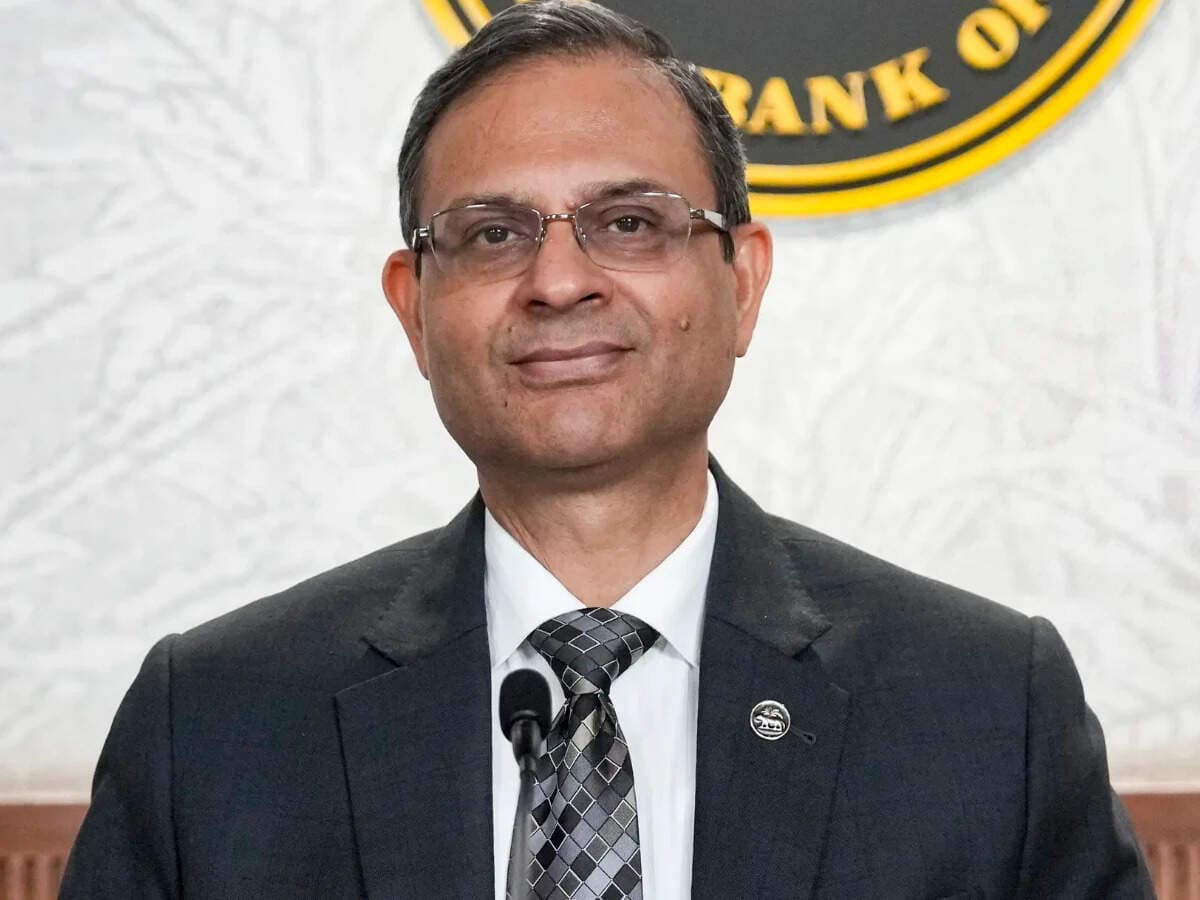
Governor Sanjay Malhotra outlines a multi-pronged approach to stabilize the rupee and manage growth as the central bank balances liquidity with long-term inflation mandates.
The Reserve Bank of India (RBI) has unveiled a series of strategic adjustments aimed at fortifying the rupee and attracting foreign capital, marking a busy day at Mint Road. Governor Sanjay Malhotra, addressing the media, emphasized that the current economic climate requires a nuanced approach to liquidity. While market participants noted a 9-basis-point uptick in government bond yields—largely triggered by the absence of fresh liquidity-easing steps—the central bank remains focused on a broader toolkit. This includes a bespoke NRI deposit program and liberalized External Commercial Borrowing (ECB) norms, which officials expect will drive healthy inflows in the coming months.
Balancing Growth and Price Stability
The central bank’s stance on inflation remains firm, with the Governor reiterating that the 4% target is "sacrosanct." While India’s fiscal year 2026 growth is projected to accelerate to 7.7%, the RBI is cautious about reacting to short-term market volatility. The official view is that the inflation target is a medium-term objective; therefore, the bank intends to avoid aggressive interventions for minor deviations. By maintaining this discipline, the RBI aims to anchor long-term expectations rather than reacting to every fluctuation in the data.
Navigating Regulatory Frameworks
Clarifying the "dispensation" for various investment measures, the Governor noted that while regulatory frameworks for CRR and SLR remain standard, the bank has created specialized windows to attract foreign investment. There is no special relaxation beyond the existing regulatory terms, but the combination of existing trade agreements and newly announced deposit schemes is expected to bolster the economy against business cycle shifts. This proactive management was reflected in the currency markets, where the rupee climbed 84 paise to settle at 94.95 against the dollar, outperforming many of its Asia-Pacific peers.
Consumer Relief and Systemic Stability
Beyond macro-policy, the press conference touched on tangible impacts for the average citizen and the banking sector. Following the recent repo rate trim, many commercial banks have begun passing on benefits to borrowers by cutting their Marginal Cost of Funds based Lending Rate (MCLR) and other benchmark rates, providing some relief on home loan EMIs. Simultaneously, the RBI is addressing systemic risk, specifically regarding "too big to fail" lenders, and exploring a compensation mechanism of up to ₹25,000 for victims of small-value digital frauds. These dual efforts signify the regulator's intent to protect retail interests while maintaining the underlying stability of the nation’s financial giants.
The PoliticalPedia Editorial Desk brings verified, sourced political news and analysis from across India.