How Shadow Fleet Tankers Are Navigating the Strait of Hormuz Amid Global Tensions
How energy tankers are increasingly using a shadow fleet ploy to slip out of Hormuz
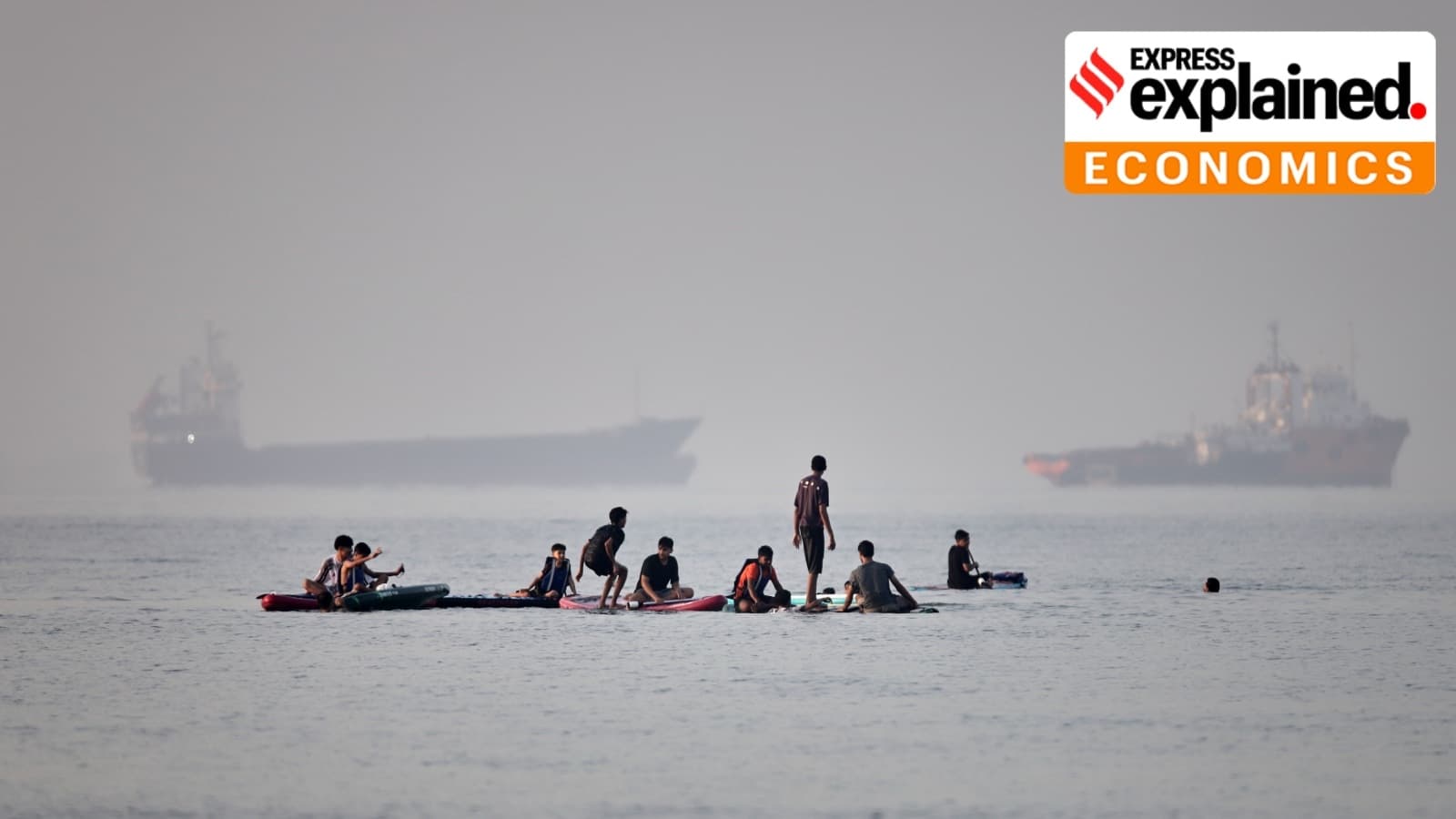
As legitimate maritime traffic collapses, a clandestine network of vessels is increasingly resorting to "going dark" to maintain energy flows through the world’s most critical chokepoint.
The Strait of Hormuz, a narrow maritime artery that once facilitated one-fifth of global oil and liquefied natural gas (LNG) flows, has effectively ground to a halt. Since the eruption of the conflict involving the United States, Israel, and Iran on February 28, 2026, mainstream shipping through this vital passage has plummeted by more than 90 percent. With Iran issuing explicit threats against merchant vessels and insurance premiums skyrocketing, hundreds of tankers remain stranded in the Persian Gulf. Yet, even as formal trade falters, a parallel energy market persists, driven by a "shadow fleet" of aging, untraceable ships that continue to move cargo by operating outside the bounds of international transparency.
The Rise of the 'Dark Transit'
In the absence of normal maritime operations, many vessels are now employing a tactic known as "going dark." By disabling their Automatic Identification System (AIS) transponders, these ships render themselves invisible to electronic tracking and neighboring vessels. While this practice was historically associated with Iran-linked tonnage to evade sanctions, it has now become a widespread commercial response to the acute conflict risks in the region. Recent data from the analytics firm Vortexa reveals that non-Iranian operators now account for a significant majority of these outbound "dark" transits.
The case of the LNG tanker Al Hamra, operated by an arm of the Abu Dhabi National Oil Company, serves as a stark illustration. The vessel went silent for several days while navigating the Strait, only to reappear on tracking maps after it had safely crossed into the Gulf of Oman, eventually arriving at the port of Dahej in Gujarat on May 26. For India, which relies on the Strait for roughly 40% of its oil, 60% of its LNG, and 90% of its LPG imports, these clandestine movements are becoming the primary mechanism for maintaining domestic energy security.
Governance in the Shadows
The ability of these tankers to bypass the blockade exposes a fundamental vulnerability in global maritime governance. Unlike land borders, which are strictly enforced by state security, international shipping relies heavily on voluntary compliance with safety regulations established by the International Maritime Organization (IMO). These rules mandate that AIS be kept active for safety, yet the master of a vessel can legally disable it if they determine the broadcast poses a security threat. In the current climate, this "voluntary" system is being exploited by shadow operators to maintain the flow of energy while avoiding detection by naval patrols or hostile actors.
A High-Stakes Geopolitical Gamble
Beyond the immediate risk of maritime collisions—which are exacerbated when vessels operate without transponders—the existence of this shadow fleet complicates an already volatile geopolitical landscape. These ships often utilize complex shell-company structures, obscure ownership, and alternative insurance providers to skirt international oversight. While the U.S. Fifth Fleet and other naval forces maintain a presence in the Gulf, active interception of these vessels is fraught with danger. A direct confrontation could trigger a wider regional escalation, leaving authorities in a precarious position: allow the illicit trade to continue, or risk an armed clash that could further destabilize global energy markets and the wider economy.
The PoliticalPedia Editorial Desk brings verified, sourced political news and analysis from across India.