High Stakes in the Gulf: India-Bound Cargo Ships Navigate the Strait of Hormuz Amid Escalating Tensions
7 India-Bound Cargo Ships Cross Hormuz In Past 3 Days; Over 10 More In Queue
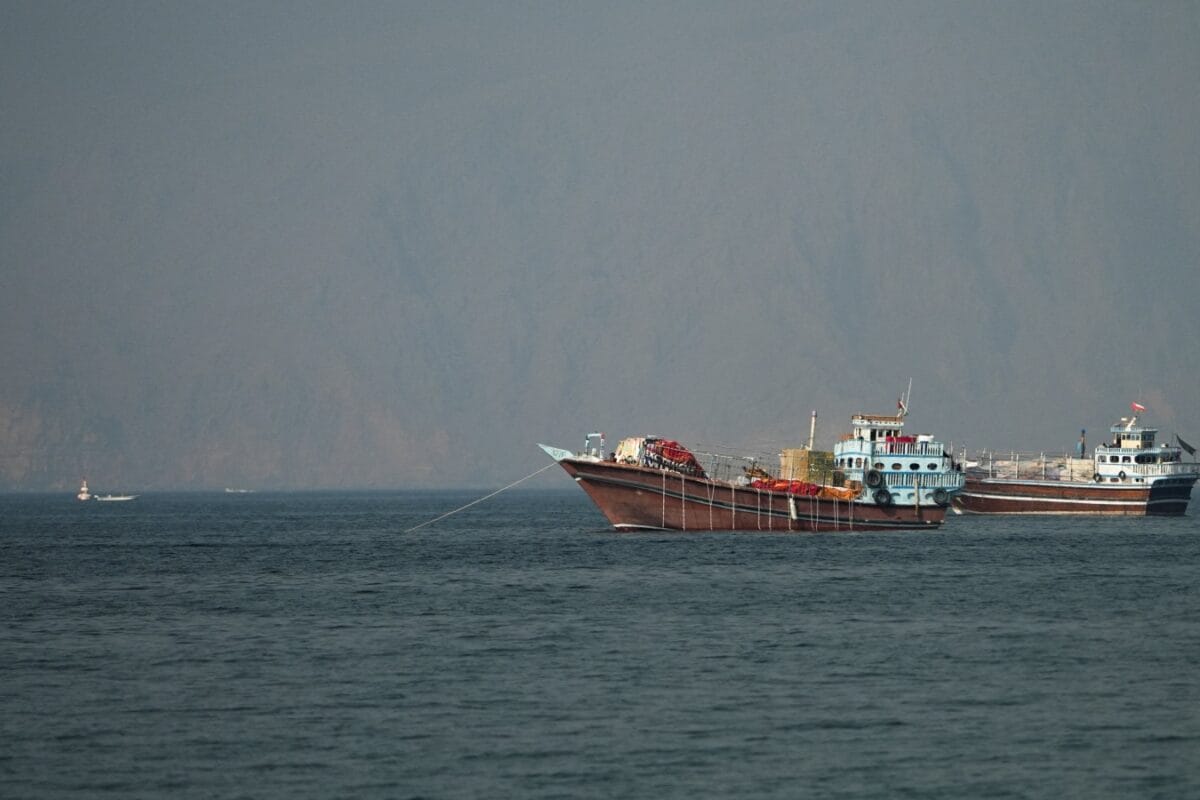
As the Strait of Hormuz becomes a flashpoint for global volatility, a vital pipeline of energy and fertiliser remains in flux, with dozens of vessels waiting for safe passage.
The Strait of Hormuz is more than just a narrow waterway; it is the global economy’s jugular vein. Over the past 72 hours, the urgency of this reality has been felt acutely in Indian boardrooms and maritime logistics centres. Nine vessels—four flying the Indian flag and five sailing under foreign colours—have successfully transited the strait. Among them was the bulk carrier APJ Priti 2, hauling 65,000 tonnes of fertiliser, a crucial commodity for India’s agricultural backbone.
These movements are part of a broader, high-stakes maritime dance. Since the flare-up between the US and Iran began on February 28, 44 ships carrying India-bound cargo have threaded this needle. But the path is increasingly fraught. With US-Iran strikes marking a new, dangerous chapter in regional instability, the margin for error has vanished. Currently, over 10 more ships are in the queue, with 15 vessels of Indian interest—including 10 carrying critical energy and agricultural supplies—still waiting for the green light to proceed through the Persian Gulf.
A Pattern of Fragility
The shipping data tells a story of uneven stability. Between March and mid-June, transit activity was relatively sluggish, with only 19 India-bound crossings recorded. Following an MoU signed on June 17, there was a temporary surge in confidence, with 25 transits occurring in just ten days. However, the latest escalation, triggered by a projectile attack on a cargo ship and subsequent military strikes, has once again cast a long shadow over the route.
The composition of these shipments highlights exactly what is at risk. Of the vessels that have traversed the strait since March, the cargo has been a diverse mix: 15 bulk carriers, 13 LPG tankers, 11 crude oil tankers, and two LNG carriers. When a tanker like the Desh Suraksha—carrying over a lakh tonnes of crude—or a vessel like Prabhu Parvati makes the crossing, it is a reminder that India’s energy security is tethered to the diplomatic climate of West Asia.
Why it matters
The ripple effect of these transit bottlenecks is significant. Any delay in the Strait of Hormuz doesn't just mean a late delivery; it threatens to inflate logistics costs and potentially disrupt the domestic supply chain for fuel and fertilisers. With Oman reportedly signalling that ships might face new transit fees, the cost of keeping this corridor open is rising in more ways than one.
For India, the situation is a delicate balancing act. While the government has managed to keep the flow of essential goods moving through diplomatic engagement, the volatility of the region means that "business as usual" is a luxury. If the queue of ships waiting to enter the strait continues to grow, we may see a cascading impact on domestic prices. The coming weeks will test whether maritime corridors can remain insulated from the wider geopolitical firestorm.
Kabir Sharma writes on culture, technology and everyday life for PoliticalPedia.