The Hidden Hurdles of Buying Agricultural Land in India
Buying agricultural land in India? Here's what you need to know
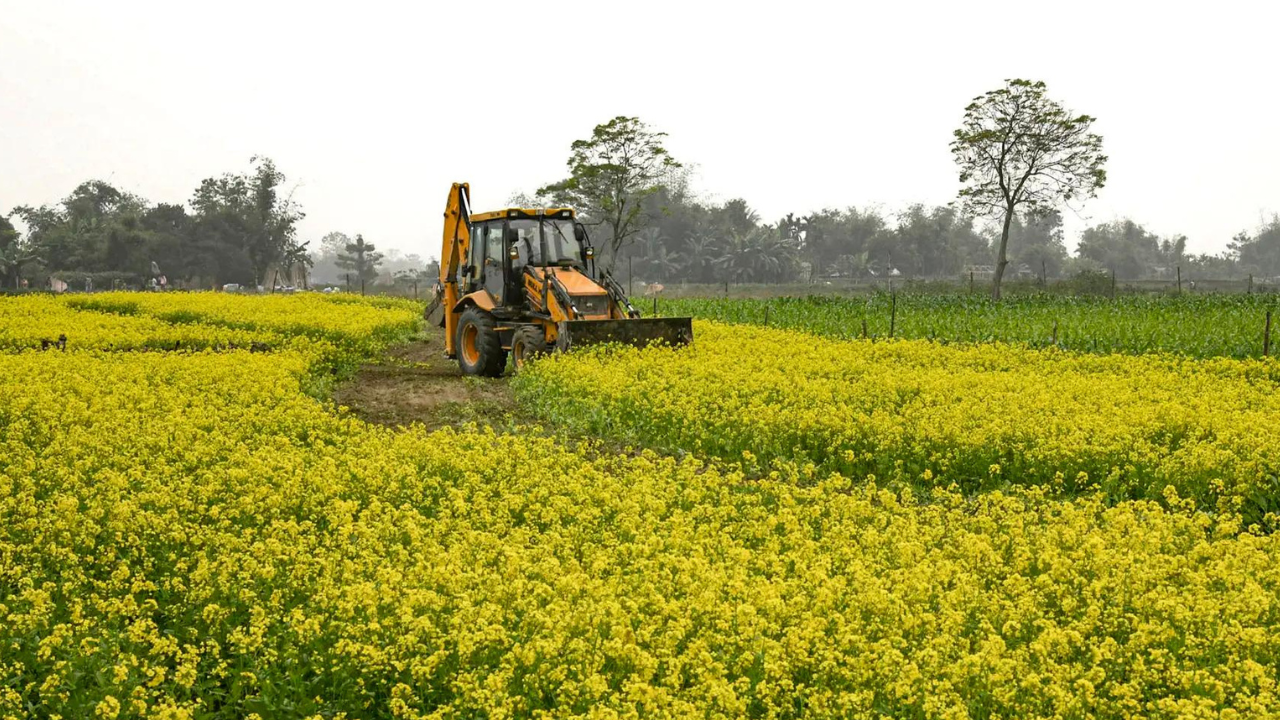
Aspiring landowners face a complex web of state-specific rules and legal scrutiny that go far beyond a simple real estate transaction.
The dream of owning a patch of green in the countryside often runs into a wall of bureaucratic red tape. While urban property markets are relatively straightforward, the purchase of agricultural land in India is a fragmented landscape where the rules change the moment you cross a state border. For the uninitiated, the process is not just about having the capital; it is about proving who you are and, more importantly, whether the law recognizes you as someone who belongs on the soil.
The Eligibility Trap
The most significant barrier to buying agricultural land is the "agriculturist" status. In states like Maharashtra, Gujarat, and Himachal Pradesh, the law is rigid: you must either be a practicing farmer or have a documented background in agriculture to qualify. It isn't enough to simply express an interest in farming; authorities look for landholding records or proof of agricultural income. If you don't fit these criteria, your purchase could be rendered void by the state. Before even looking at a plot, prospective buyers must verify if they satisfy the specific eligibility mandates of that region.
Verification and Due Diligence
Once eligibility is established, the technical heavy lifting begins. Unlike residential plots, agricultural land requires a precise survey by a licensed professional to ensure the physical dimensions match the title certificate. A property lawyer is essential here, not just for drafting, but for auditing the paper trail. This includes the sale deed, the release certificate, property tax receipts, and the encumbrance certificate. A common pitfall is failing to check if the land is strictly designated for agricultural use; if it isn't, or if it carries hidden legal encumbrances, the dream investment can quickly turn into a protracted litigation nightmare.
The Bigger Picture
Why does this matter? For one, the state-by-state variance is a reflection of how India protects its food security and prevents the unchecked conversion of farmland into speculative assets. However, this creates a significant grey area where buyers can easily be caught in tax traps. Recent instances of buyers receiving massive income tax notices for purchasing land at perceived "low prices" highlight the risks of navigating this sector without proper valuation and documentation. The tax department is increasingly scrutinizing transactions involving substantial capital, and a simple clerical error in a sale agreement can trigger an audit that takes years to resolve.
Following the Law
Ultimately, the registration process is the final hurdle. After paying the state-specific stamp duty and completing the paperwork at the sub-registrar's office, the cycle is only complete once the mutation of land records is finalized. This step ensures the ownership shift is reflected in local government registers. For those looking at this as a long-term asset, remember that the land is not truly yours until the mutation is done. Shortcuts in this process don't just put your capital at risk—they leave you vulnerable to title disputes that can haunt a property for decades.
Priya Nair covers parties, elections and the business of power for PoliticalPedia.