Beyond 90%: Why India’s energy security is hitting a breaking point
'India needs to augment its strategic crude oil reserves': EY warns as import dependence crosses 90% in FY26
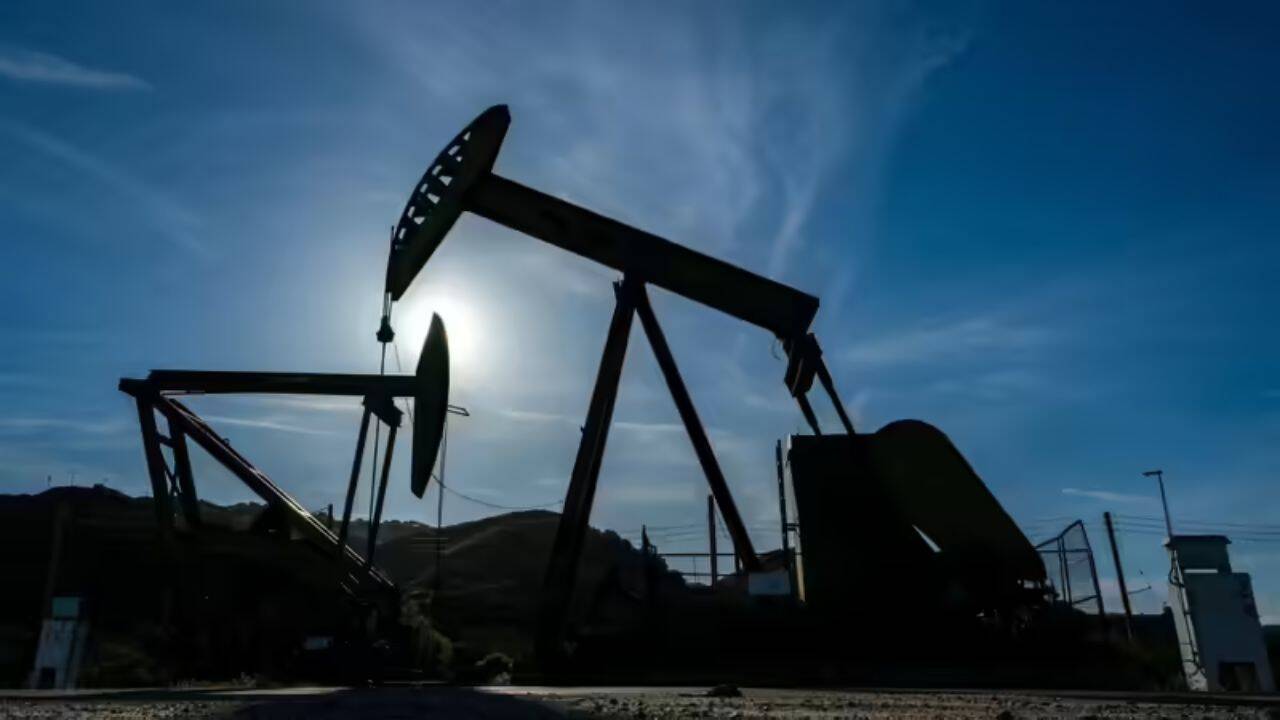
As import reliance for petroleum hits a record high, a new report warns that India’s thin strategic buffers leave the economy dangerously exposed to global shocks.
New Delhi’s energy security math has officially shifted into the red. For years, the steady climb in fuel consumption was balanced against the hope of domestic discovery, but the latest data from EY paints a sobering picture: India’s dependence on imported crude has now crossed the 90 per cent mark for FY2026. What was once a manageable trade deficit issue has transformed into a core strategic vulnerability that policymakers can no longer afford to ignore.
The growing supply-demand gap
The numbers tell a story of two diverging paths. While India’s hunger for petroleum has nearly tripled since 1999—surging from 90.6 million metric tonnes (MMT) to 243.2 MMT by FY2026—domestic production has been moving in the opposite direction. Output peaked at 35.9 MMT in 2012 and has since withered to 26 MMT. Even as our refineries have improved their efficiency by 33 per cent over the last few decades, becoming vital exporters of processed products, the fundamental reliance on foreign oil wells remains the country's most significant external risk.
The strategic buffer problem
Perhaps the most alarming takeaway from the EY report is the state of our emergency reserves. Currently, India holds approximately 21 million barrels of strategic crude. While that sounds like a hefty figure, it translates to a mere five days of consumption. When held up against global benchmarks, the shortfall is stark; China, for instance, maintains a stockpile of nearly 1,397 million barrels. This lack of a "rainy day" cushion means that any geopolitical flare-up in oil-producing regions triggers an immediate, painful ripple effect on Indian fuel prices and inflation.
Why it matters
The strategic implication here is clear: energy policy is no longer just about pricing; it is about national resilience. With 90 per cent of our crude coming from abroad, the economy is tethered to the volatility of global markets. If the government does not move to augment these buffers—as the consultancy suggests—the country remains a sitting duck for supply chain disruptions. The path forward likely requires a formal, transparent strategy that dictates not just how much we store, but the precise timing of purchases to avoid buying at the peak of market instability.
The transition to cleaner energy is the long-term goal, but the reality of the next decade remains fossil-fuel dependent. Until domestic exploration can be revitalized or renewable shifts gain significant scale, filling the tanks—literally—must become a priority. The current vulnerability isn't just a business concern; it is a fundamental challenge to the country's economic sovereignty.
Priya Nair covers parties, elections and the business of power for PoliticalPedia.