Global Trade Growth Faces Headwinds as WTO Barometer Signals Slowdown Amid Middle East Conflict
WTO sees signs of slowdown in global goods trade growth amid Middle East conflict
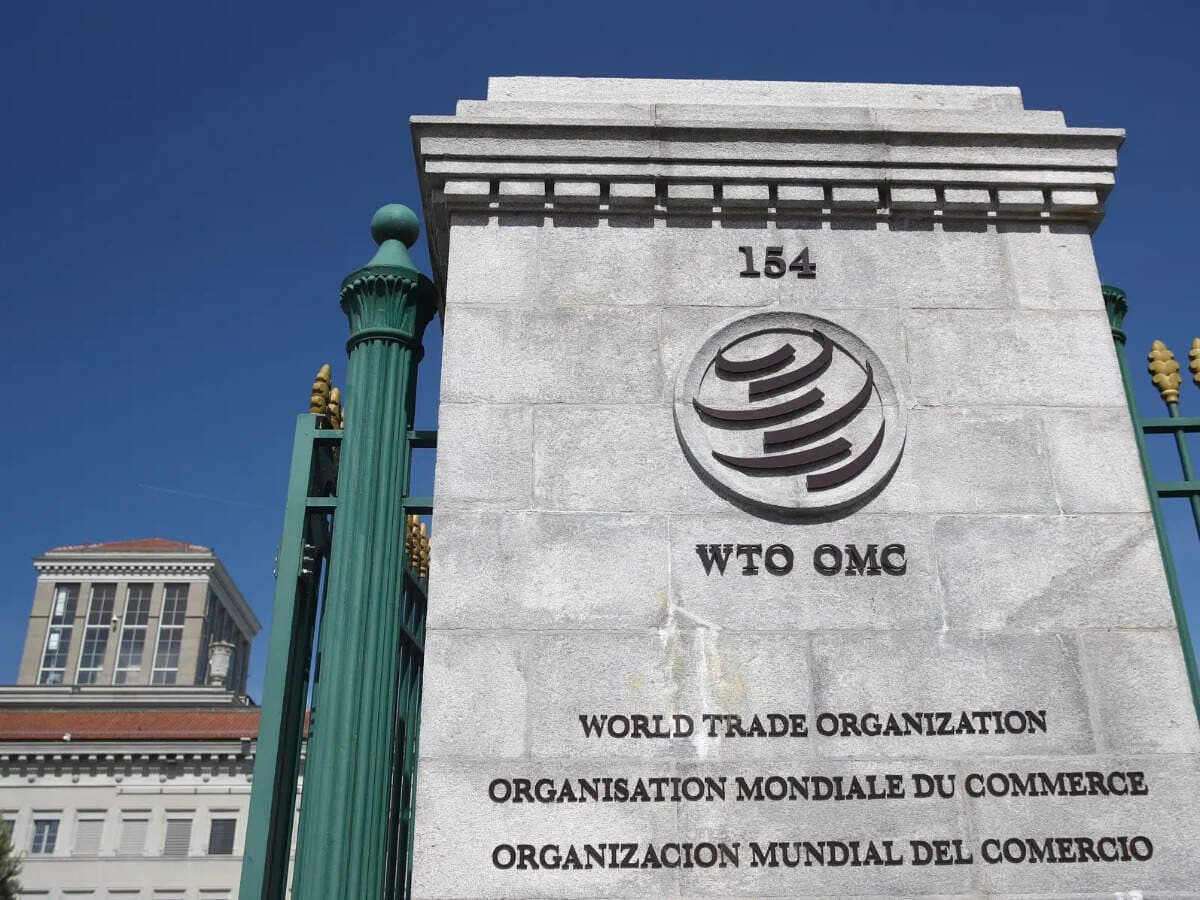
While global commerce remains resilient for now, the World Trade Organization warns that persistent geopolitical instability and cooling freight activity could dampen future prospects.
Global merchandise trade is showing signs of cooling as the World Trade Organization’s (WTO) latest Goods Trade Barometer reveals a slight dip in momentum. The index, which serves as a leading indicator for world trade trends, slipped to 101.7 in recent readings, down from 102.3 in January. While the figure remains above the baseline of 100—suggesting that trade volumes are still growing—the narrowing margin reflects growing concern among economists about the durability of the current cycle.
Geopolitical Pressure and the Freight Factor
The ongoing conflict in the Middle East remains a primary source of anxiety for the global economy. Analysts tracking the situation suggest that the war is exerting upward pressure on energy prices and creating significant bottlenecks for international transport corridors. This geopolitical tension is a key reason the WTO has projected a marked deceleration in trade growth, forecasting a retreat to 1.9% for 2026, a sharp decline from the 4.6% expansion seen in 2025.
Shipping data reinforces this cautious outlook. While container shipping and air freight indices are currently hovering above trend—at 102.4 and 102.2 respectively—their rate of growth has visibly moderated compared to the peaks observed just a few months ago. For exporters and manufacturers, this shift is more than just a statistical blip; it reflects a broader nervousness in supply chains where high transport costs and regional instability threaten to erode profit margins.
The AI Buffer and Sectoral Shifts
Despite the darker clouds gathering over the maritime and energy sectors, certain pockets of the global economy are providing a vital buffer. Demand for electronic components, particularly those tied to the rapid expansion of advanced technology, remains a bright spot. This sector has surged to 105.5 on the barometer, effectively offsetting some of the drag caused by other sluggish markets, such as agricultural raw materials which have dipped slightly below the trend line.
The resilience of the tech sector suggests that the global economy is currently navigating a period of uneven performance. While some industries are reaping the benefits of digital transformation, others are clearly struggling under the weight of dampened consumer demand and the lingering effects of high-interest-rate environments. The latest barometer readings, which look two to three months into the future, imply that while a total collapse is not the current trajectory, a sustained slowdown is increasingly likely if the Middle East crisis persists or intensifies.
Why This Matters for the Market
The current landscape is a complex tapestry of volatility. For businesses and policymakers alike, the WTO data serves as a stark reminder that trade is rarely governed by a single force. While the world is currently avoiding a recessionary contraction, the transition from high-growth periods to a more tepid 1.9% expansion will require careful navigation. Whether the global trade system can maintain its resilience depends heavily on whether energy markets stabilize and if geopolitical risks can be contained, preventing further disruption to the delicate flow of goods across borders.
The PoliticalPedia Editorial Desk brings verified, sourced political news and analysis from across India.