RBI and Govt join forces with tax waivers and currency hedges to bolster Rupee
From tax waivers to free hedges, RBI & govt join hands to boost Rupee
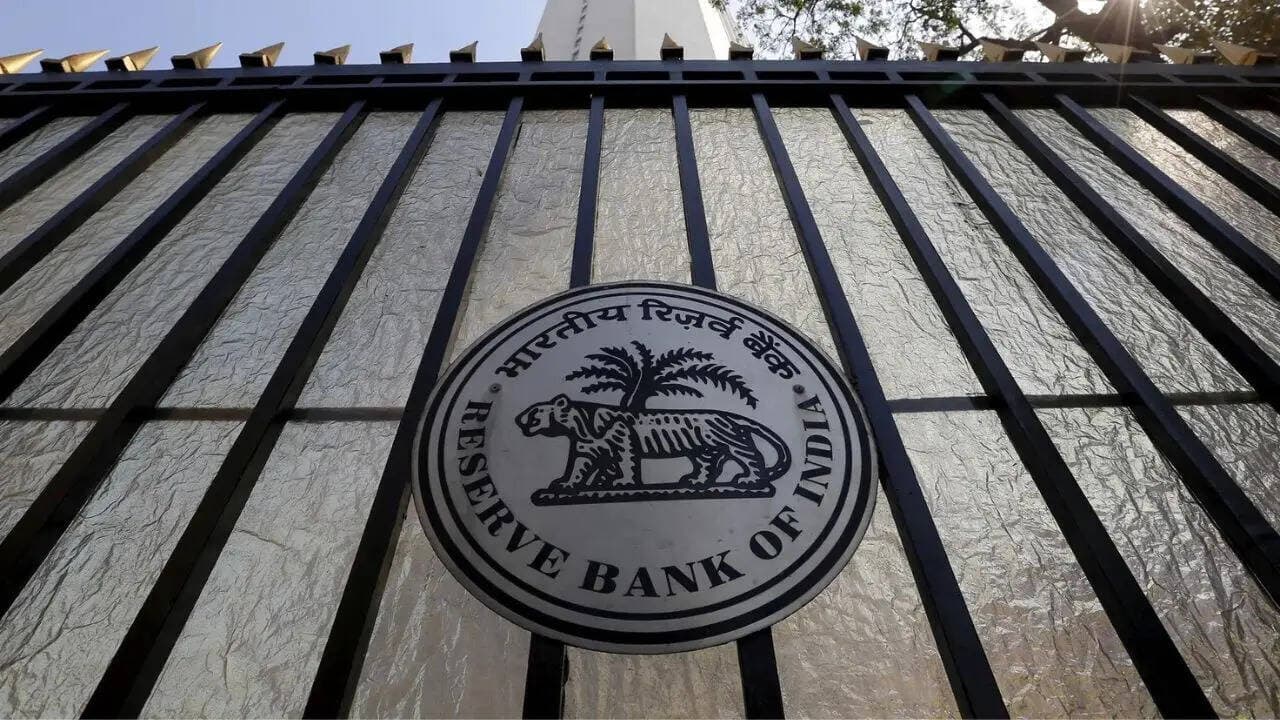
In a bid to stem the currency’s slide, authorities have rolled out a slew of fiscal and monetary incentives to lure foreign capital into domestic markets.
Mumbai witnessed a significant market shift this Friday as the government and the Reserve Bank of India (RBI) launched a coordinated strike to stabilize the local currency. By slashing tax burdens and providing subsidized hedging mechanisms, the authorities successfully nudged the rupee upward by 84 paise, helping it close at 94.95 against the dollar—the currency’s strongest performance in two months.
Tax Breaks to Attract Capital
At the heart of this strategy is a decisive push to make Indian debt markets more appealing to global players. Through an ordinance amending the Income Tax Act, the government has exempted foreign investors from income tax on both interest income and capital gains derived from government securities (G-secs). Previously, foreign portfolio investors (FPIs) faced a 12.5% long-term capital gains tax on listed securities and a 20% withholding tax on interest, which often acted as a deterrent. By removing these levies effective April 1, the government is repositioning Indian gilts as a highly competitive asset class for international portfolios.
Hedging the Currency Risk
The RBI has simultaneously introduced a "safety net" to protect institutional investors from the volatility of the rupee. Under the new measures, the central bank will bear the hedging costs for fresh three- to five-year foreign currency non-resident deposits. Furthermore, the RBI is offering a swap facility for external commercial borrowings—particularly for public sector undertakings—that will remain available until September 30, 2026. By effectively subsidizing the cost of protecting against depreciation, the RBI is looking to remove the "currency risk" premium that has kept many foreign investors on the sidelines.
The Potential for Massive Inflows
Market analysts believe the impact of these changes could extend far beyond institutional buying. Bankers suggest that if individuals are incentivized to move funds into India to exploit the interest rate differential, the country could see an inflow surge of $30 billion to $40 billion. The strategy relies on a dual-pronged approach: the tax exemptions provide a long-term fiscal incentive, while the RBI’s swap facilities offer the immediate security needed to calm jittery global markets.
A Strategic Shift
For months, the rupee has struggled as one of the weakest performers in Asia, plagued by outflows and global economic headwinds. By signaling an openness to foreign participation and easing the friction caused by taxes, the government is betting that a steady influx of dollars will fortify the rupee without creating long-term structural vulnerabilities. This legislative and monetary alignment marks a significant departure from the status quo, reflecting a proactive stance to ensure that India remains an attractive destination for foreign capital in a competitive global landscape.
The PoliticalPedia Editorial Desk brings verified, sourced political news and analysis from across India.