India-US trade deal: First tranche expected by mid-July, says Piyush Goyal
1st tranche of US trade deal by mid-July: Piyush Goyal
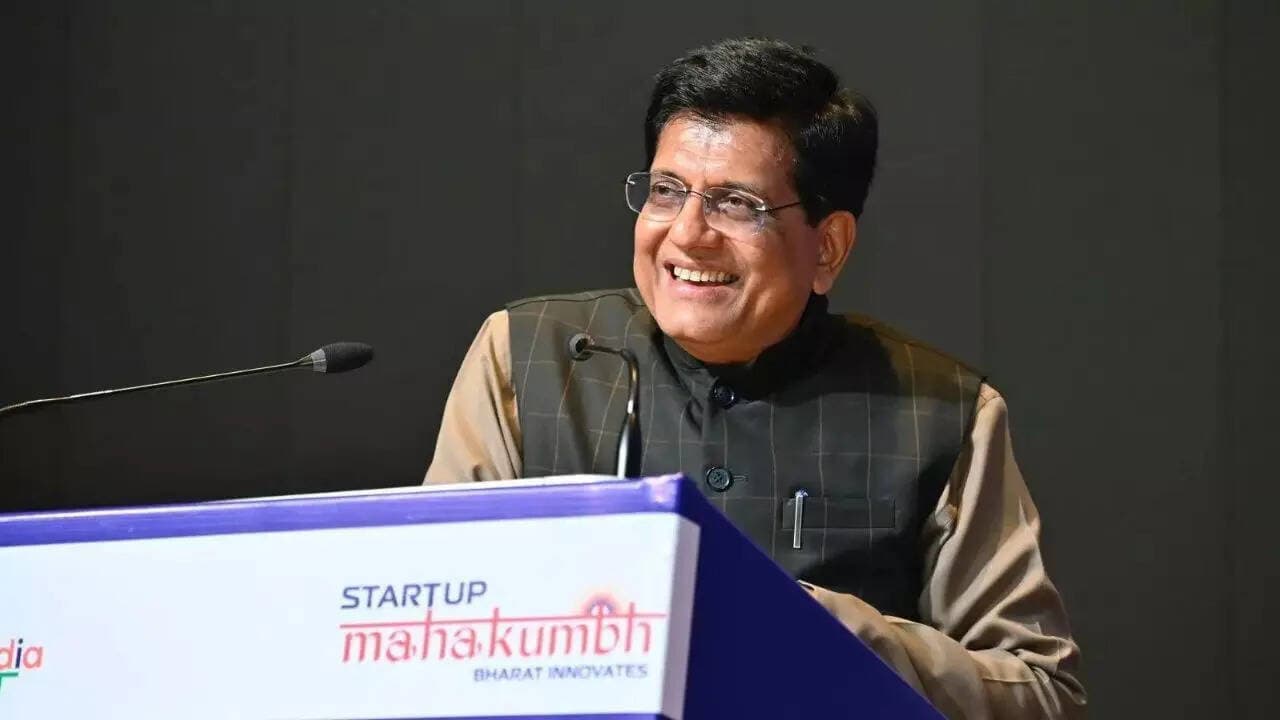
Commerce Minister Piyush Goyal confirms that negotiations are in the final stages, aiming to secure preferential market access for Indian exports through a vibrant initial agreement.
India and the United States are accelerating efforts to finalize an interim bilateral trade agreement, with Commerce and Industry Minister Piyush Goyal signaling that the first tranche of the deal is expected to be executed by mid-July. Following a recent round of high-level negotiations, the minister expressed confidence that both nations are rapidly closing the remaining "open ends" to ensure a robust framework that provides India with a competitive edge over global rivals in the US market.
The timeline for this agreement is critical, as it aligns with the expiration of existing trade measures. The current 10% additional duty on certain goods is slated to lapse on July 22. Officials are treating the upcoming agreement as a priority, particularly as the US continues to navigate complex trade policy landscapes. A high-level American delegation, potentially led by US Trade Representative Jamieson Greer, is expected to visit India toward the end of June to iron out final details.
Navigating Tariffs and Negotiations
The backdrop of these talks involves shifting trade pressures. The Office of the US Trade Representative recently proposed 12.5% additional tariffs on India—a move that also impacts over 50 other nations—citing concerns over the use of forced labor in import supply chains. Government insiders view these proposed Section 301 tariffs as a strategic tool employed by the US to bring nations back to the negotiating table, given the limited policy avenues available for imposing fresh duties.
Whether these proposed tariffs eventually replace the interim 10% levy remains a subject of ongoing assessment. The government is carefully monitoring the outcome of upcoming hearings scheduled for early next month, which will likely dictate the final structure of the levies. Because the US remains the largest destination for India’s exports, New Delhi is actively pursuing a comparative tariff advantage to protect the interests of domestic exporters.
Building on Past Frameworks
This push for a deal follows a series of fits and starts in bilateral economic diplomacy. On February 7, both nations had successfully outlined a framework for the first phase of an interim trade deal, which initially included provisions for an 18% additional import duty on Indian exports. However, that momentum was stalled when the US Supreme Court ruled against the legality of certain reciprocal tariffs, forcing both governments to rethink the mechanics of the pact.
With the text of the agreement now being refined, the focus has shifted to ensuring that the first phase acts as a "vibrant" foundation for long-term cooperation. For India, the primary objective remains securing preferential market access, allowing domestic industries to maintain stability amidst global trade volatility. As the mid-July deadline approaches, the successful execution of this first tranche is seen as a litmus test for the enduring resilience of the India-US economic partnership.
The PoliticalPedia Editorial Desk brings verified, sourced political news and analysis from across India.