El Nino Emerges as Pacific Ocean Temperatures Hit Warming Threshold
El Nino is here, says European agency amid Pacific warming
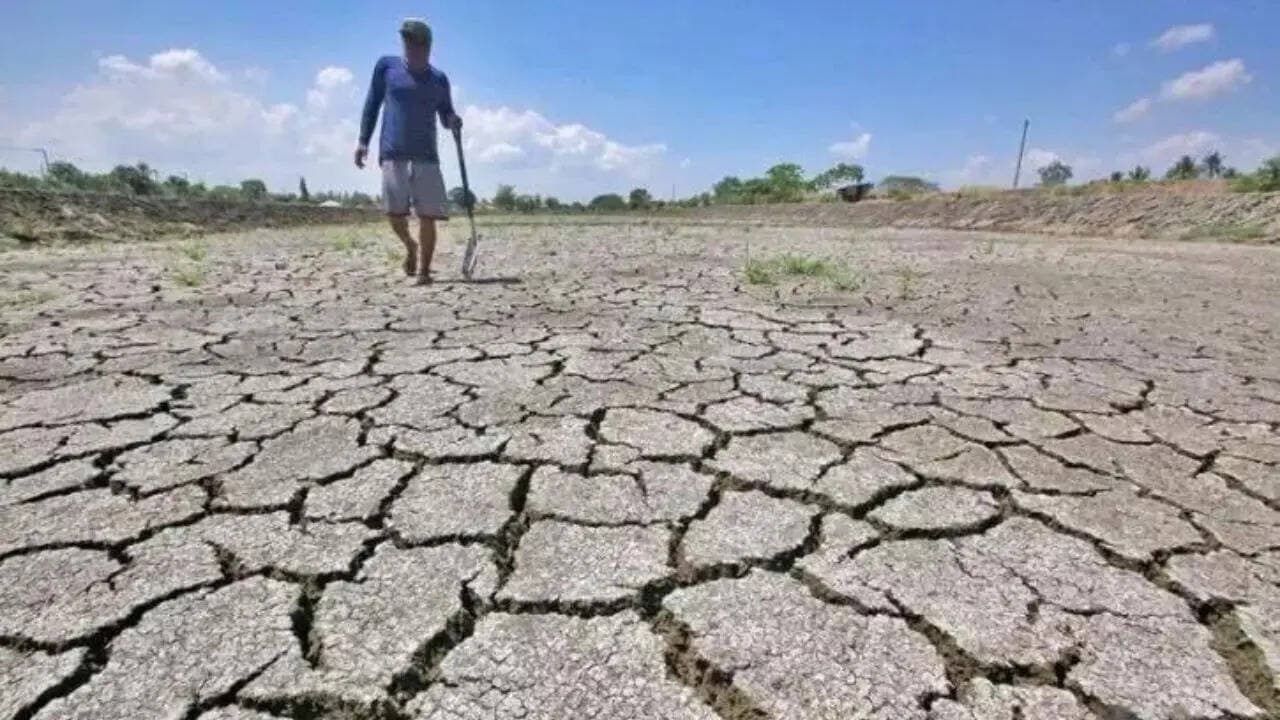
The European weather agency has confirmed that Pacific Ocean temperatures have crossed the critical threshold for El Nino, signaling a potential shift in global climate patterns.
The European Centre for Medium-Range Weather Forecasts (ECMWF) recently confirmed that sea surface temperatures in the Pacific have breached the 0.5°C mark. This development, which indicates the onset of El Nino, has triggered widespread concern among meteorologists regarding the potential for extreme weather events. While the official declaration of a full-scale El Nino event traditionally requires these conditions to persist for at least three months, experts suggest that atmospheric changes are already underway and the impacts are being felt globally.
A Heating Trend in the Pacific
Recent data from the ECMWF indicates that temperatures in the Nino 3.4 region—a critical area in the mid-east equatorial Pacific—surpassed 1°C above normal by the end of May. This warming trend is part of a broader, concerning rise in global ocean surface temperatures, which the Copernicus Climate Change Service notes are edging toward all-time highs. Samantha Burgess, a climate lead at the ECMWF, stated that record-breaking ocean temperatures are likely imminent, potentially exacerbated by the compounding effects of climate change.
Implications for the Indian Monsoon
As the monsoon season begins across the Indian subcontinent, the arrival of El Nino adds a layer of uncertainty to rainfall forecasts. The India Meteorological Department (IMD) recently tracked the monsoon's arrival over Kerala, though it faced a three-day delay from its usual June 1 commencement. IMD chief Mrutyunjay Mohapatra noted that while the monsoon is gradually advancing across the western coast and southern states, the current intensity remains modest. With the IMD having previously projected a below-normal monsoon at 90% of the long-period average, officials are closely monitoring further updates from international weather institutions to determine the full extent of this year’s climate risks.
The Threat of a 'Super' El Nino
Climate scientists are increasingly worried about the intensity of this current cycle. Several computer models suggest a significant probability that this event could evolve into a "super El Nino," characterized by ocean surface temperatures rising 2°C or more above average. Historically, such intense patterns have been rare, with only a handful occurring since 1950. Experts warn that even if the strength of the event fluctuates, the combination of a robust El Nino and the long-term upward trend in human-induced global warming could push temperatures to record levels in the coming years.
Monitoring Global Extremes
The transition to El Nino is rarely a localized event; it is a fundamental shift in the Pacific climate cycle that influences rainfall, drought, and heatwaves worldwide. As agencies like the US government institutions and international bureaus refine their forecasts, the focus remains on the "Nino 3.4" region. Veteran meteorologist M. Rajeevan emphasized that while the academic classification of the event is still in its early stages, the atmospheric shifts associated with this warming are already influencing global weather patterns. The world now waits to see how these oceanic developments will dictate the climate extremes of the coming season.
The PoliticalPedia Editorial Desk brings verified, sourced political news and analysis from across India.