Cutting Through the Himalayas: Strategic Zojila Tunnel Set for Final Breakthrough
Strategic, all-weather Zojila Tunnel between Kashmir and Kargil to see final breakthrough
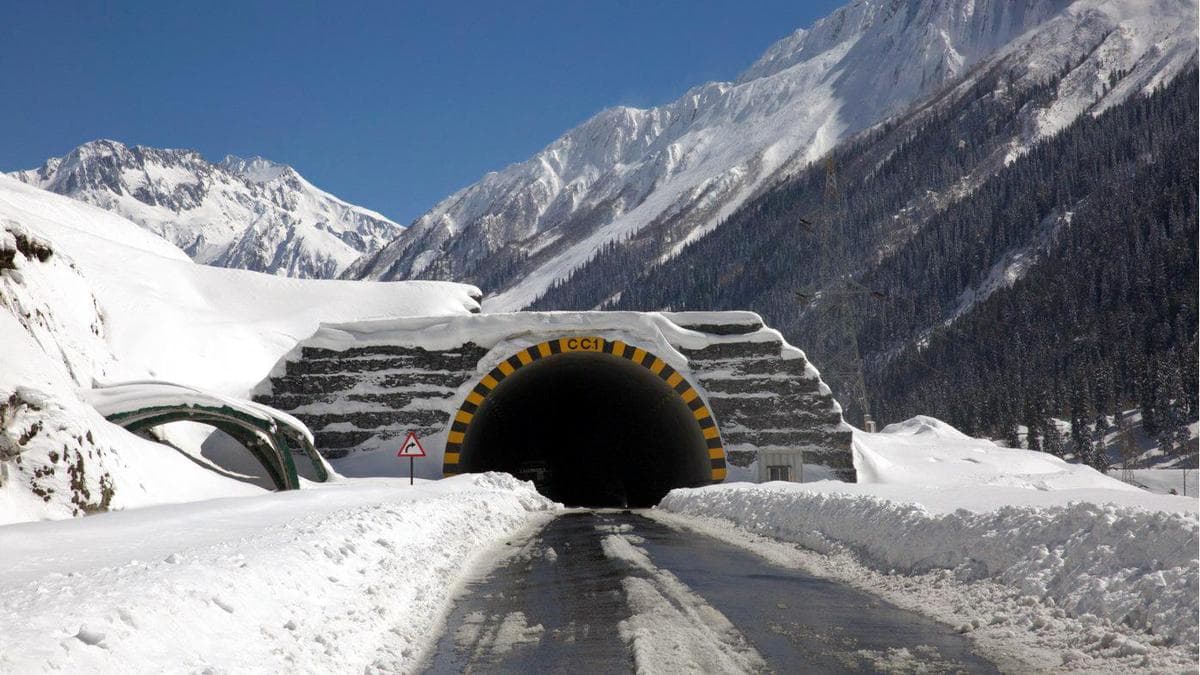
After years of battling sub-zero temperatures and treacherous terrain, India’s ambitious, all-weather tunnel project is set to link Kashmir and Ladakh by June 9.
The high-altitude silence of the Himalayas is about to be shattered by a blast that marks a turning point for Indian infrastructure. On June 9, Union Road Transport and Highways Minister Nitin Gadkari is scheduled to oversee the final, decisive explosion at the Zojila Tunnel site. This "breakthrough blast" from the Kargil side will effectively connect the two ends of the 13.14-km tunnel, clearing the path for what is billed as one of the world's most sophisticated feats of engineering.
For years, the Zojila Pass has been a notorious bottleneck. During the brutal winter months, the region is frequently cut off by heavy snow, landslides, and "shooting stones," leaving the transit route between the Kashmir valley and Kargil effectively paralysed. By bypassing this hazardous stretch, the new tunnel—built at an altitude of 11,578 feet—promises to slash travel time between Ganderbal and Kargil from three hours to a mere 20 minutes.
A logistical lifeline for the high-altitude frontier
The project, executed by Megha Engineering and Infrastructures Ltd (MEIL) since 2020, carries a price tag of over ₹6,800 crore. Its utility, however, goes far beyond civilian commute. As officials noted, the tunnel will allow the state to maintain a steady supply chain to the Line of Actual Control (LAC) even at the peak of winter. Previously, the military had to stock supplies months in advance during the autumn, a logistical strain that will now be a thing of the past.
Constructing this horseshoe-shaped, two-lane tunnel was a battle against the elements. The site is located in a volatile seismic zone IV, where temperatures routinely plummet to minus 30 degrees Celsius. Over the past five years, the project has endured five major avalanches that mangled machinery and stalled progress. Despite these hostile conditions, the excavation of the single-tube bi-directional tunnel is now effectively complete.
Why it matters
The breakthrough is more than just an engineering milestone; it is a shift in India’s strategic posture. For decades, the reliance on weather-dependent road connectivity has limited the year-round mobility of both troops and local residents. With the Zojila Tunnel, the government is signalling a transition toward "strategic resilience"—the ability to project power and resources into Ladakh regardless of what the mountain weather dictates. As the final blocks are cleared, the integration of the Ladakh region into the national mainstream is set to become significantly more robust, fostering both economic stability and firmer security control over a sensitive border frontier.
National Affairs Desk at PoliticalPedia covers government & policy for an Indian audience in English and Hindi.