Cracks in the Citadel: TMC faces a fresh internal revolt as Delhi becomes the new battleground
Second wave of exodus soon? TMC turmoil spills into Parliament - what we know so far
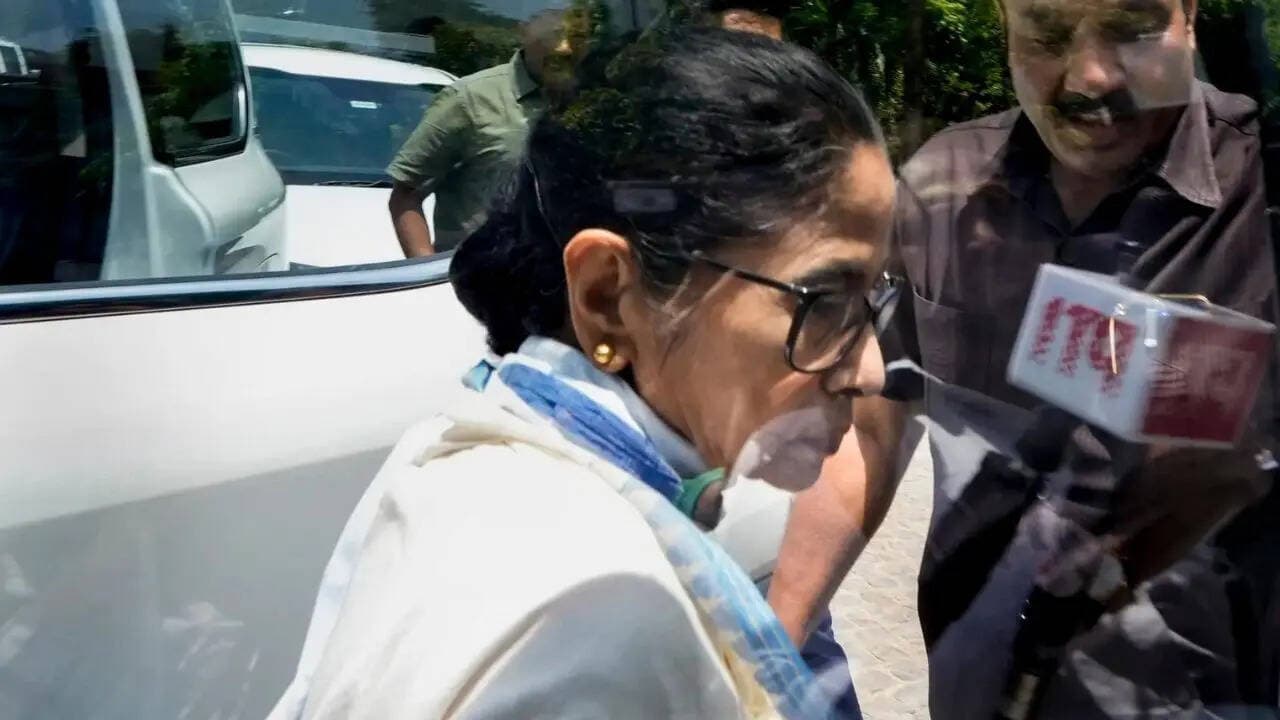
A string of high-profile resignations and secret meetings in the capital signal a deepening crisis for Mamata Banerjee’s leadership in West Bengal.
The air in Delhi’s political circles is thick with speculation as the Trinamool Congress (TMC) grapples with what appears to be a second wave of exodus. Just over a month after the party suffered a bruising defeat in the West Bengal polls, the internal cohesion of the outfit is fraying at the seams. The turmoil, once confined to the corridors of Kolkata, has now spilled into the heart of Parliament, with reports suggesting that a group of dissident MPs has formally signaled their intent to cross the floor and support the BJP-led NDA.
The Delhi huddle
The tipping point arrived with the resignation of veteran Rajya Sabha MP Sukhendu Shekhar Ray, who stepped down from his seat and left the party, citing rampant corruption and a total breakdown in governance. His exit was swiftly followed by a clandestine meeting at the residence of senior BJP leader Bhupender Yadav. The presence of several TMC parliamentarians—including notable names like Satabdi Roy and Prasun Banerjee—alongside West Bengal BJP leader Suvendu Adhikari, has transformed simmering discontent into a full-blown crisis for the party leadership.
This rebellion is not merely limited to the Upper House. Back in West Bengal, the party’s grip over its own legislature wing has loosened significantly. In a blunt rejection of the official party line, 58 TMC MLAs broke ranks to support Ritabrata Banerjee as the Leader of Opposition, effectively snubbing Mamata Banerjee’s hand-picked nominee, Shovandeb Chattopadhyay. For a party that has historically relied on iron-fisted discipline, this shift represents a profound structural failure.
Why it matters
This isn't just about individual defections; it is a tactical re-alignment following a crushing electoral mandate. When party stalwarts like Ray openly cite their isolation—specifically noting that their calls for an inquiry into the RG Kar hospital incident were ignored—it points to a growing disconnect between the grassroots reality and the leadership's response. The fact that this mutiny is being coordinated in Delhi, while Mamata Banerjee is physically present in the city for INDIA bloc meetings, highlights a tactical audacity that was previously unseen. If the disgruntled MPs formalize their move to the NDA, it will not only shrink the TMC’s influence in the Rajya Sabha but also embolden the BJP’s efforts to dismantle the party’s remaining power bases in the state.
A party in flux
The spectacle of TMC MPs huddling with opposition leadership in Delhi while their own party chief attempts to project a united front for the INDIA bloc is a damaging visual. With the party tally in the Rajya Sabha dropping to 12 following Ray's exit, the TMC is increasingly vulnerable. Whether this represents a genuine shift in political allegiance or a pressure tactic to force a change in party dynamics remains the central question. For now, the events in the capital suggest that the post-poll fallout is far from over, and the challenge for the TMC leadership is no longer just winning elections, but keeping the house together.
National Affairs Desk at PoliticalPedia covers government & policy for an Indian audience in English and Hindi.