Congress SC and Minority Wings Forge Joint Campaign to Protest Alleged Atrocities
Scheduled Caste, minority wings of Congress plan joint stir against atrocities
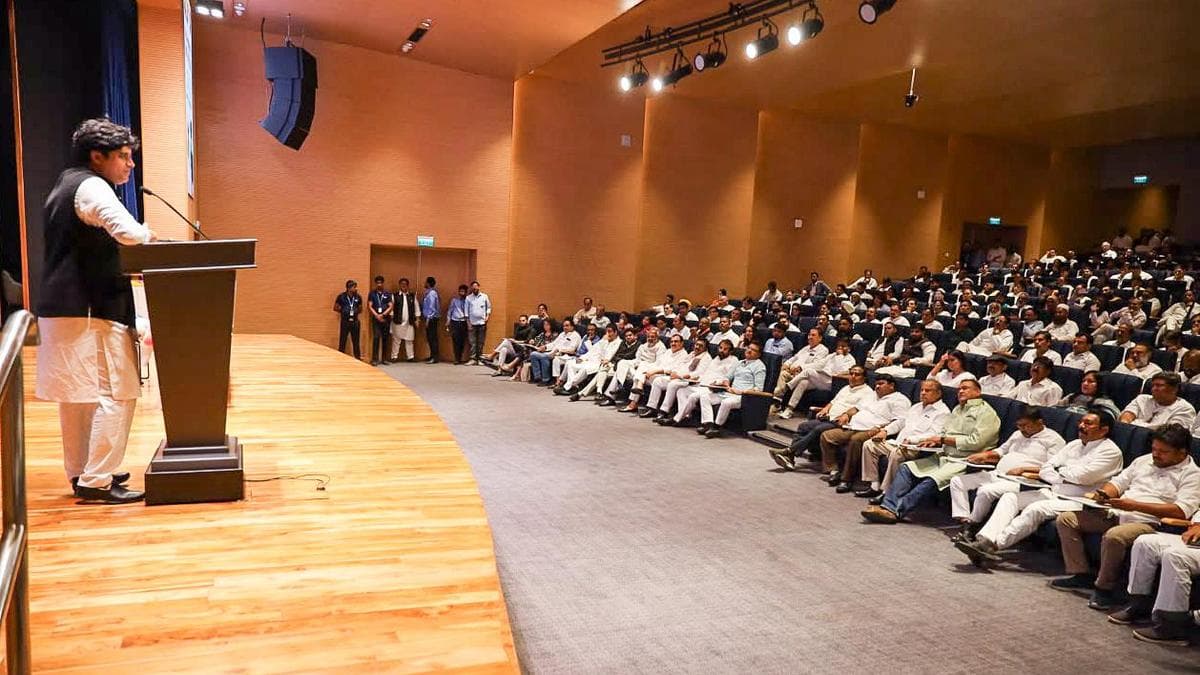
In a move aimed at consolidating support among marginalized groups, the Congress party’s Scheduled Caste and minority departments have announced a nationwide movement against systemic discrimination.
The Congress party is set to escalate its political pressure on the Centre, announcing on June 6, 2026, a coordinated, nationwide campaign to highlight what it describes as widespread atrocities against marginalized communities. By bridging the Scheduled Caste and minority departments, the party intends to create a unified front that addresses the grievances of Dalits, Adivasis, and backward classes, focusing on institutional bias and exclusionary policies.
A Growing Institutional Conflict
During a joint convention held in the national capital, leaders of the two wings outlined a strategy to address the alleged indifference of the government toward the rights of oppressed groups. Rajendra Pal Gautam, who oversees the SC department, and Rajya Sabha member Imran Pratapgarhi, the head of the minority department, argued that the current administrative apparatus—specifically police and bureaucracy—is increasingly functioning with a prejudicial mindset.
The leadership pointed to specific policy disparities as evidence of systemic neglect. A major point of contention is the current scholarship eligibility framework; the annual income ceiling for students belonging to SC, ST, OBC, and minority communities remains capped at ₹2.5 lakh. In contrast, the Economically Weaker Sections (EWS) category enjoys an income threshold of ₹8 lakh, a discrepancy that the Congress claims highlights a deeper bias in institutional support.
Mounting Pressure Before Parliament Session
The campaign is designed to build momentum leading into the upcoming Monsoon Session of Parliament. A focal point of the mobilization will be a large-scale protest scheduled for July 20 at Jantar Mantar, which is expected to draw MPs, MLAs, and local community representatives from across the country. This timing is strategic, intended to force a parliamentary debate on the status of vulnerable populations as the opposition seeks to challenge the government on its human rights record.
Beyond the national capital, the coordination efforts will extend to the district and block levels. Mr. Pratapgarhi emphasized that the two departments will establish a support network to stand alongside victims whenever reports of oppression emerge. To solidify this grassroots strategy, a joint advisory council meeting is slated for later this month in Lucknow, where organizers will refine their mobilization tactics.
The significance of this joint movement lies in its attempt to unify disparate social groups under a common banner of civil rights. By addressing both economic disparities—such as the inadequate funding for finance and development corporations—and social atrocities, the Congress aims to regain its footing as a champion for the marginalized. The success of the July 20 rally will likely serve as a litmus test for the party's ability to galvanize these communities ahead of future political challenges.
The PoliticalPedia Editorial Desk brings verified, sourced political news and analysis from across India.