Cooking Gas Costs Surge: Congress Questions Silence of BJP Leaders Over LPG Price Hike
Why aren’t BJP leaders taking to streets with cylinders in protest now: Congress’ dig on LPG price hike
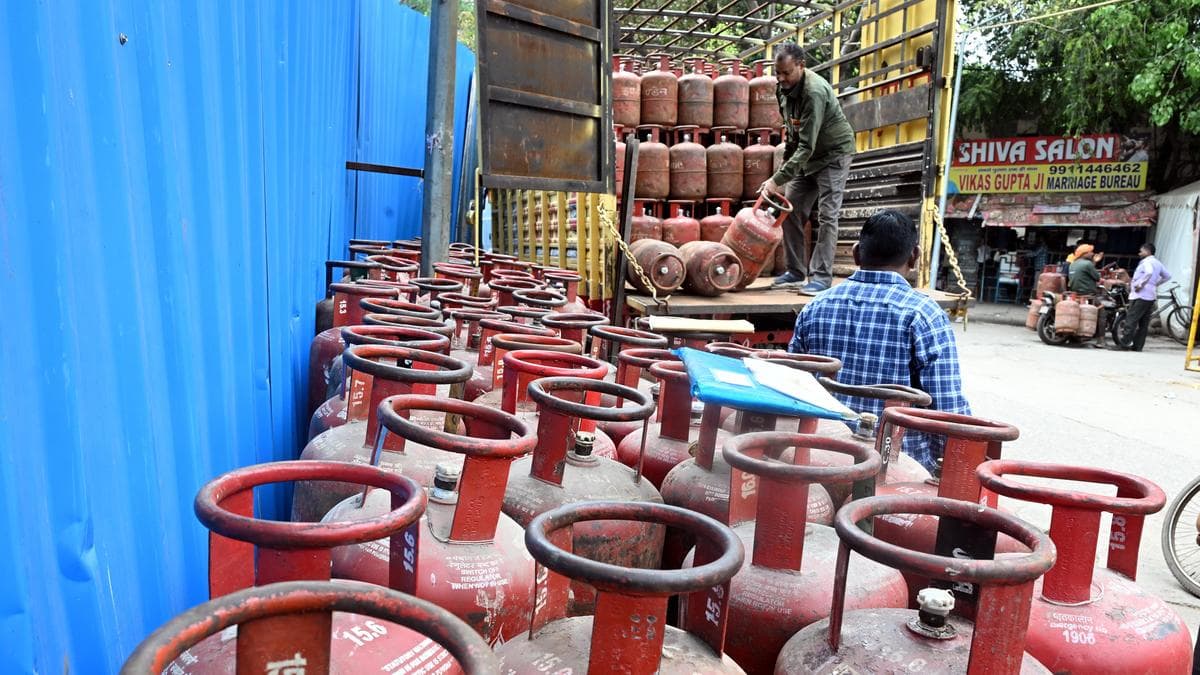
As domestic LPG rates climb for the second time in months, the opposition accuses the government of failing to honor its own past rhetoric on inflation.
The political heat surrounding the cost of living intensified on Sunday as the Congress party launched a sharp critique of the Modi government over the latest hike in domestic LPG prices. With the price of a 14.2-kg cylinder in Delhi jumping to ₹942 from ₹913, the opposition has moved to hold the ruling party accountable for what it describes as "profiteering" at the expense of household budgets. This latest adjustment follows a ₹60 increase implemented in March, bringing the cumulative rise to ₹89 over the past four months.
A Legacy of Protests and Current Silence
Congress President Mallikarjun Kharge spearheaded the attack, questioning why the BJP leadership—which frequently staged street protests involving LPG cylinders during the UPA administration—remains conspicuously silent today. Kharge highlighted that domestic gas prices have climbed by roughly ₹530 over the last 12 years, contrasting this with the vocal opposition the BJP once championed against inflation. While the government maintains that Indian households still access cooking gas at some of the lowest rates globally, the political optics of the price hike have reignited debates over the impact on middle-class and rural kitchens.
Unmet Claims and Rural Accessibility
Beyond the immediate price hike, the Congress leadership challenged the government’s broader energy policy. Kharge specifically referenced Prime Minister Narendra Modi’s earlier claims in Parliament regarding the diversification of fuel sources across 41 countries—a strategy touted as a buffer against the West Asia conflict. The opposition leader questioned the efficacy of this strategy, pointing to persistent supply shortages in rural pockets.
Data cited by the party suggests that the struggle for fuel access is widespread. Records indicate that during the 2025-26 fiscal year, over 5.5 crore families enrolled under the Pradhan Mantri Ujjwala Yojana (PMUY) failed to secure even a single refill. Of those, approximately 3.3 crore families did not purchase a cylinder at all, suggesting that the economic barrier remains significant despite government outreach.
The Financial Burden of Subsidies
For the oil marketing companies, the pressure to balance books remains a central issue. Before the latest price revision, state-run firms were reportedly absorbing a loss of approximately ₹703 on every cylinder sold. While the price hike is intended to offset these mounting losses, the burden on the consumer has shifted significantly.
Under the existing structure, PMUY beneficiaries are shielded from the full brunt of the increase, paying an effective rate of ₹642 per cylinder. However, this is contingent on a subsidy of ₹300, which is now restricted to the first four refills of the year—a reduction from the nine subsidized refills offered previously. As the government attempts to navigate the volatile international energy market, the gap between official energy security claims and the daily reality of rural gas consumption remains a point of contention that is likely to dominate upcoming parliamentary sessions.
The PoliticalPedia Editorial Desk brings verified, sourced political news and analysis from across India.