Coastal India Faces Critical Transformation: Chennai and Beyond Brace for 1°C Temperature Rise by 2040
Chennai may see 1°C rise in summer temperatures by 2040: Report
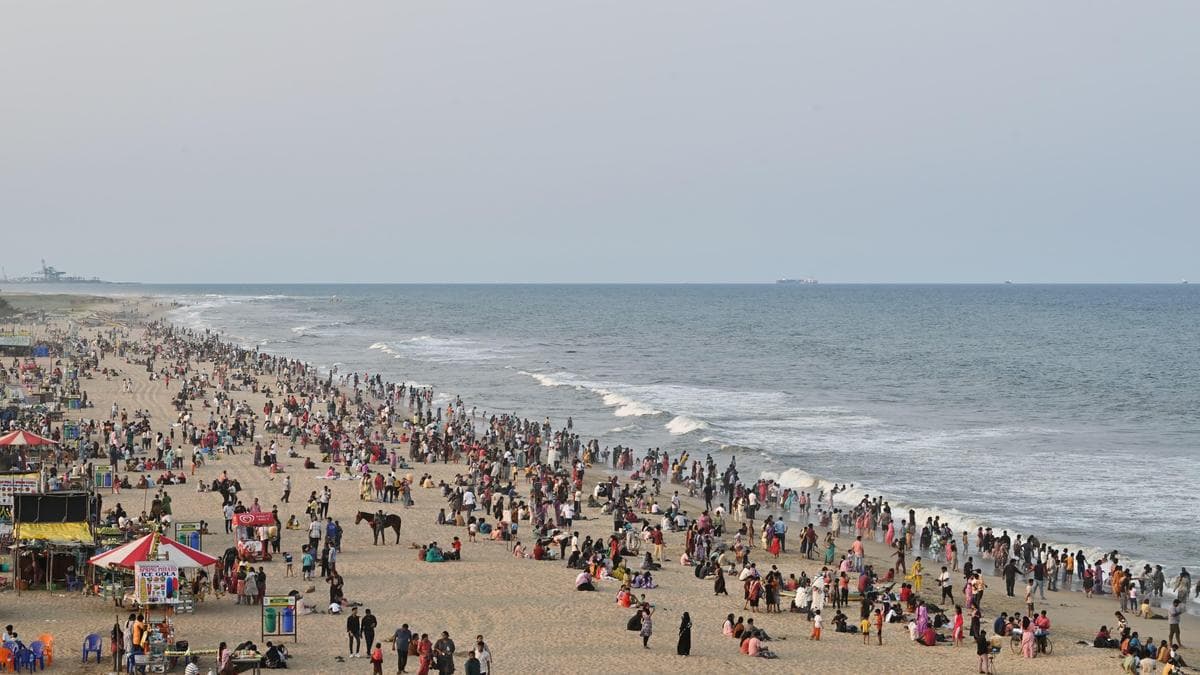
A new climate report identifies significant shifts in temperature and rainfall patterns, warning that India's coastal regions are entering a period of rapid environmental transition.
The environmental future of India’s coastline is no longer a distant theoretical concern; it is an unfolding reality. According to a comprehensive climate projections report released by Azim Premji University, significant climatic shifts are expected across the nation’s shores between 2021 and 2040. The study, which utilizes high-resolution 25x25-km climate data, paints a sobering picture for major urban hubs and rural fringes alike, highlighting that nearly 40 coastal districts are on track to see summer temperatures climb by more than 1°C.
Chennai at the Forefront of Climate Shifts
For Chennai, the projections indicate a dual challenge: the city is set to become both hotter and wetter. By 2040, residents can expect summer maximum temperatures to rise by 1°C compared to the 1960s baseline. This warming is compounded by an anticipated 12% increase in the intensity of the southwest monsoon. The stakes are particularly high for infrastructure planning, as the study suggests that coastal Tamil Nadu, along with parts of Kerala, will see wet-bulb temperatures—a critical metric for human heat tolerance—approach 31°C, a threshold that poses significant risks to public health and outdoor labor productivity.
A National Wave of Environmental Risk
The findings extend far beyond the capital of Tamil Nadu. Districts like Nagapattinam are bracing for a 20% surge in northeast monsoon rainfall, while communities in Rameswaram and Thoothukudi are already grappling with the economic fallout of shifting wind patterns and rising sea temperatures. These changes are disrupting traditional livelihoods, particularly in the fishing sector, where marine stock migration and unstable conditions are forcing a re-evaluation of coastal industries. Nationally, the average coastal temperature is projected to climb by 1.5°C, as stronger, cyclone-prone weather patterns fueled by warming seas become the new norm.
Infrastructure and the Economic Imperative
Santonu Goswami of the School of Climate Change & Sustainability at Azim Premji University emphasized that the data serves as a clarion call for a fundamental rethink of governance and infrastructure. With global sea levels projected to rise by approximately 15 cm by 2050 under moderate emission scenarios, the vulnerability of coastal settlements is intensifying. Experts note that this isn't merely an environmental issue; the long-term economic stability of the country—with some estimates suggesting potential annual GDP losses of up to 10% by the end of the century—is inextricably linked to the resilience of these coastal zones.
As policy makers look toward the next decade and a half, the evidence suggests that reactive measures will be insufficient. Integrating climate data into urban development and disaster management is no longer a luxury but a necessity to protect the millions of citizens living along India's fragile, changing borders.
The PoliticalPedia Editorial Desk brings verified, sourced political news and analysis from across India.