Cloak and Dagger at Sea: Why Energy Tankers Are Going Dark in the Strait of Hormuz
How energy tankers are increasingly using a shadow fleet ploy to slip out of Hormuz
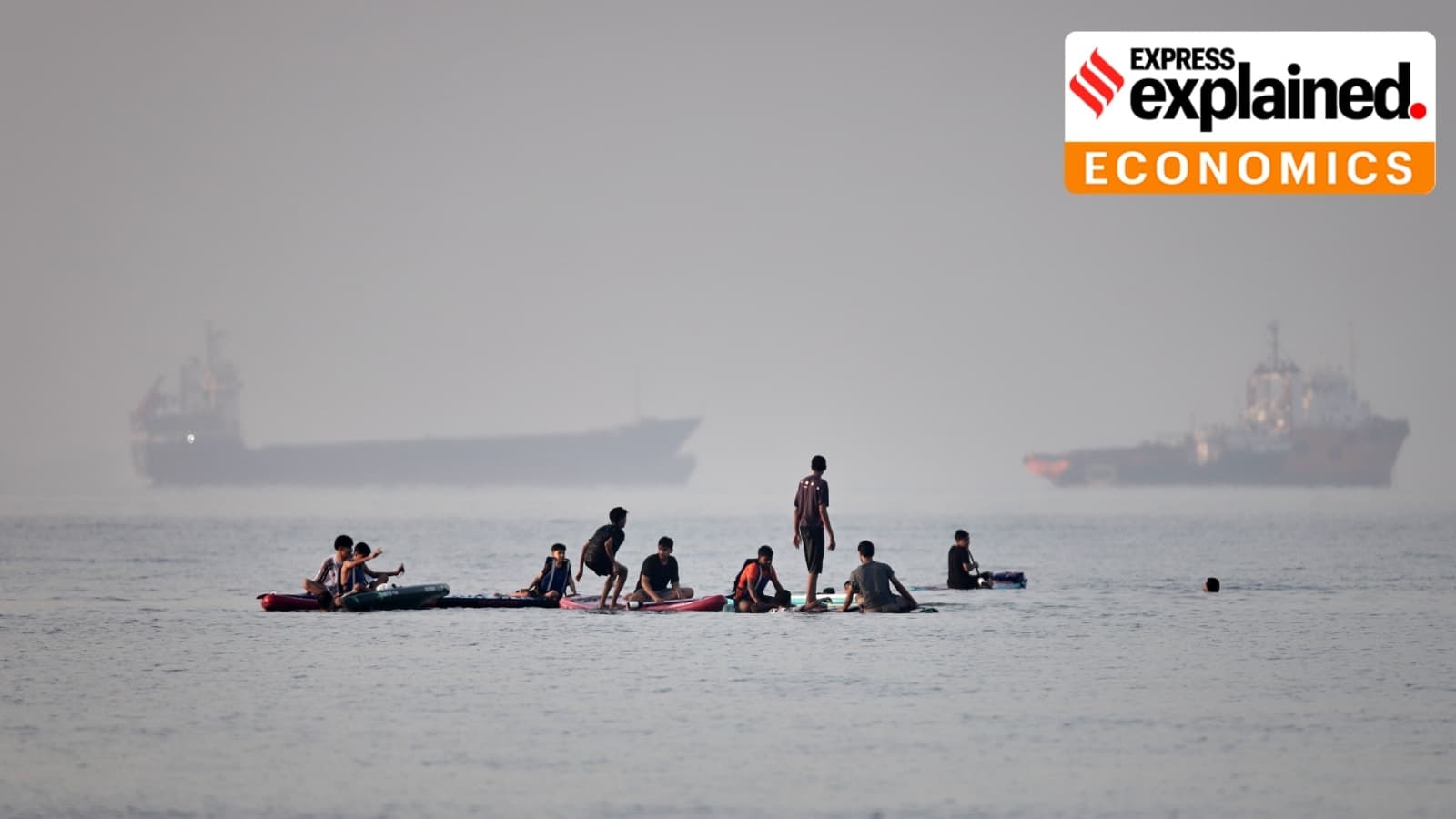
As geopolitical tensions choke the world’s most vital oil artery, merchant vessels are increasingly switching off tracking systems to navigate the volatile passage safely.
The Strait of Hormuz, a narrow bottleneck connecting the Persian Gulf to the Arabian Sea, has long been the juggernaut of global energy logistics. Before conflict flared on February 28, this waterway facilitated a staggering one-fifth of the world’s oil and liquefied natural gas (LNG) supplies. Today, however, the corridor is defined by operational uncertainty. As maritime traffic slows to a trickle, ship operators are adopting a controversial "shadow fleet" tactic: navigating the passage with their Automatic Identification System (AIS) transponders switched off to avoid detection.
For India, the stakes could not be higher. The country’s energy security is tethered to this specific passage, which accounts for 40% of its oil, 60% of its LNG, and a massive 90% of its LPG imports. The recent arrival of the LNG tanker Al Hamra at Gujarat’s Dahej terminal on May 26 highlighted the reality of this new maritime landscape. After disappearing from radar screens for days while traversing the strait, the vessel—operated by an arm of the Abu Dhabi National Oil Company—re-emerged only after clearing the high-risk zone.
A Shift in Strategy
While disabling transponders was once a hallmark of Iranian-linked tankers attempting to circumvent international sanctions, the practice has evolved into a broader commercial necessity. According to data from the energy and freight analytics firm Vortexa, non-Iranian operators now constitute the majority of these "dark" outbound transits. This is no longer merely an exercise in evasion; it is a calculated response to the persistent threat of attacks on merchant ships and the growing need to maintain the flow of cargo through one of the world’s most critical chokepoints.
Maritime safety experts remain deeply concerned by this trend. International Maritime Organization (IMO) guidelines dictate that AIS must remain active for safe navigation, as it allows vessels to "see" one another and avoid collisions. By turning these systems off, ship masters are essentially rendering their vessels invisible to other traffic in an already congested maritime environment, significantly elevating the risk of accidents at sea.
Navigating the Risk
The decision to go dark represents a sobering trade-off between standard safety protocols and the urgent requirement to secure energy imports. As geopolitical friction continues to squeeze global supply chains, the line between sanctions-evasion and conflict-avoidance has blurred. For companies, the immediate priority is to ensure their tankers do not become targets in a regional standoff, even if it means operating outside the visibility of global tracking systems.
As these dark transits become more frequent, the global shipping industry faces a mounting dilemma. The Strait of Hormuz remains an irreplaceable artery for global energy, but the operational realities of the current crisis are forcing a fundamental change in how maritime commerce is conducted. For nations like India, which depend heavily on the steady movement of fuel through this Gulf gateway, the "shadow" navigation of tankers is now a critical, if risky, component of securing their national energy future.
The PoliticalPedia Editorial Desk brings verified, sourced political news and analysis from across India.