CID Scrutiny of Abhishek Banerjee: Inconsistencies Emerge in Signature Forgery Probe
CID Not Satisfied With Abhishek Banerjee's Answers? Sources Claim Inconsistencies Found
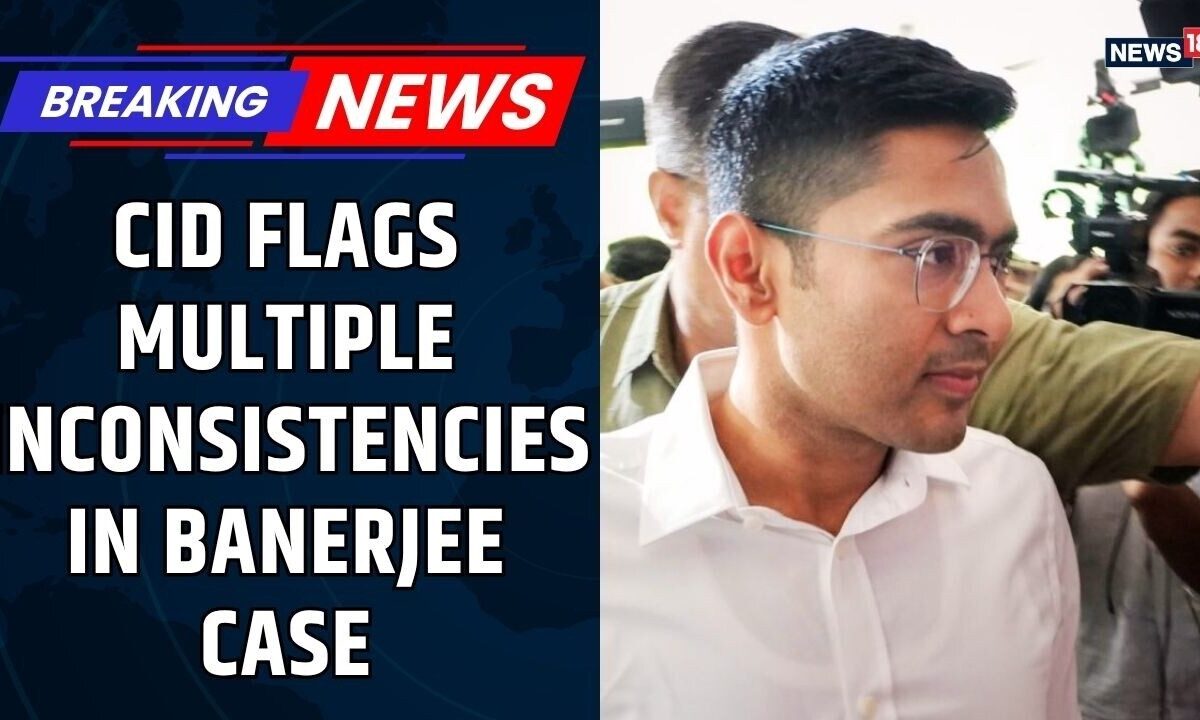
The Trinamool Congress leader faces mounting pressure as investigators flag gaps in his testimony regarding the alleged forgery of MLA signatures.
The corridors of power in Kolkata are buzzing with renewed tension after the Criminal Investigation Department (CID) reportedly found the responses from Trinamool Congress leader Abhishek Banerjee unsatisfactory. After hours of intense questioning regarding the alleged signature forgery case, sources claim inconsistencies were found that have left investigators far from satisfied. The probe, which centers on the contentious issue of who signed for absent MLAs, has now become a flashpoint in the state's already volatile political climate.
For the CID, the primary challenge remains pinning down the procedural irregularities that led to these forged documents. By pressing Banerjee on the specifics of these signatures, the agency is signaling a move toward deeper scrutiny of internal party communications. While the TMC leadership maintains a stance of defiance, the fact that the CID is not satisfied with the answers provided by such a high-profile figure suggests that this investigation is far from reaching a quiet resolution.
The Political Fallout
This development arrives at a time when Bengal is witnessing a particularly sharp exchange between the ruling Trinamool Congress and the opposition. Governance and accountability have been at the center of the discourse, and this latest probe provides fresh ammunition for political rivals. Every move in this investigation is being viewed through a political lens, as both sides look to gain an edge in the ongoing battle for public perception.
Whether this leads to further summons remains the question dominating local political circles. Investigations of this nature often move in stages; if the CID finds the current explanations insufficient, the logical next step for them would be a deeper audit of the documents in question or repeated rounds of questioning to bridge the gaps identified in recent sessions.
Why it matters
The bigger picture here is about the systemic integrity of legislative processes. When allegations of signature forgery surface, they strike at the heart of administrative transparency. For observers of Bengal’s political landscape, the significance lies in the precedent being set: the agency is actively pursuing a high-stakes case that directly involves the top tier of the ruling party. As the investigation progresses, the focus will likely shift from the specific signatures to the broader question of who authorized the process, potentially widening the scope of the probe into the internal mechanics of the TMC.
Ultimately, the CID’s move to highlight inconsistencies in the testimony of a leader as prominent as Abhishek Banerjee marks a significant turn. If the agency maintains this trajectory, the coming weeks will likely see a flurry of legal and political maneuvering, keeping the state’s administrative machinery under an intense, uncomfortable spotlight.
Rohan Gupta covers the economy, markets and companies for PoliticalPedia.