Kakoli Dastidar Takes Charge of the Nationalist Citizens Party: A Fresh Fault Line in Bengal Politics
Kakoli Dastidar Takes Charge of the Nationalist Citizens Party of India (NCPI) |
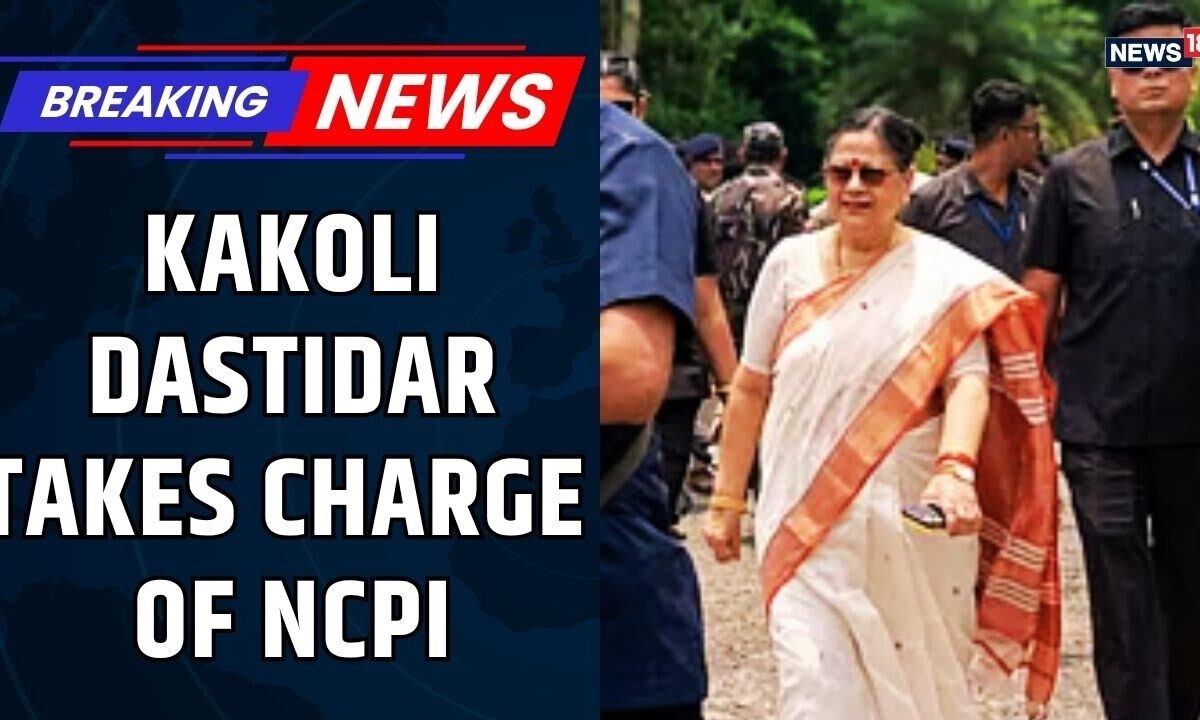
A significant exodus within the Trinamool Congress has culminated in a formal merger with the Tripura-based NCPI, effectively realigning the rebel bloc with the NDA.
The corridors of power in Delhi are abuzz this Monday morning, not just with the ongoing T20 World Cup fever or the geopolitical anxieties of the G7 summit, but with a seismic shift in the parliamentary landscape. Kakoli Ghosh Dastidar has officially taken charge of the Nationalist Citizens Party of India (NCPI), marking the formal culmination of a rebellion that has been brewing within the Trinamool Congress for weeks. With 19 to 20 MPs now pledging their allegiance to this obscure regional entity, the political arithmetic in the Lok Sabha is bracing for a tectonic shift.
The move, which has been described by detractors as a "theatre of the absurd," sees the rebel faction not just jumping ship, but actively seeking a new identity. By merging with the NCPI—a Tripura-based platform—these former TMC legislators are effectively positioning themselves as a distinct political force, one that has explicitly declared its intent to support the National Democratic Alliance (NDA) under the leadership of Prime Minister Narendra Modi.
Decoding the Merger
The mechanics of this transition are as significant as the optics. The rebel bloc is not merely shifting sides; they have signaled their intent to stake a claim on the original Trinamool name and its iconic symbol, with formal proceedings expected to gain momentum in July. This legal and political maneuvering suggests a long-term strategy designed to erode the influence of the current TMC leadership, effectively creating a political space outside of Mamata Banerjee’s iron-fisted control.
For the observers in the national capital, this isn't just about party hopping. It is a calculated strike. By formalizing their merger with the nationalist party, these MPs are ensuring they retain their parliamentary privileges while simultaneously stripping the TMC of its unified voting strength. The immediate demand for separate seating arrangements in the Lok Sabha is the first practical hurdle the Speaker will have to clear as the Monsoon Session approaches.
Why It Matters
This development is a classic study in the fragility of regional political empires. When a party centralizes power too tightly, the periphery inevitably looks for exits. The decision by these veteran MPs to seek shelter under the NCPI banner—a party with little footprint outside the Northeast—highlights the desperation of the rebels to remain relevant in a post-TMC framework.
For the NDA, this is a tactical win, providing a buffer and a potential increase in floor numbers without the immediate baggage of absorbing "disgruntled" TMC leaders directly into the BJP fold. However, the move is fraught with legal pitfalls. With senior leaders like Kapil Sibal already terming the move an act of betrayal and a farce, the battle for the "real" Trinamool is likely to shift from the Parliament house to the Election Commission and, eventually, the courts. The next few weeks will determine whether this is a masterstroke of political survival or a premature political suicide.
Ananya Iyer covers global affairs with an Indian lens for PoliticalPedia.