Cancer Patients Face Dire Uncertainty as Chemotherapy Drug Shortages Cripple Supplies
Chemotherapy drug supply crisis hits cancer care
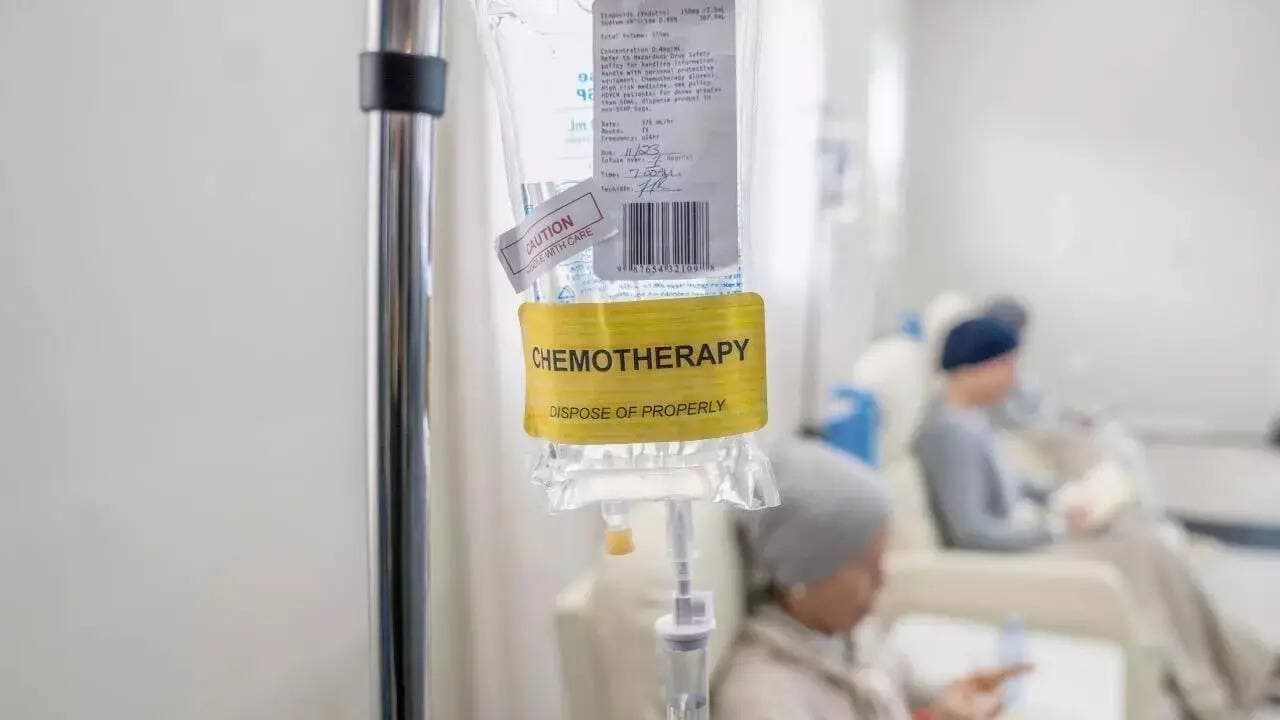
The scarcity of essential platinum-based medications has forced hospitals and families to scramble, raising urgent concerns over treatment continuity.
Across India, a deepening crisis in the medical supply chain is leaving cancer patients in a state of distress. Hospitals, ranging from premier institutions like AIIMS Delhi to private oncology facilities, are reporting a severe deficit of Cisplatin and Carboplatin. These two medications are foundational in the fight against a wide spectrum of malignancies, including lung, breast, cervical, and esophageal cancers. With stocks hitting rock bottom, medical professionals warn that the current situation is no longer a mere logistical hiccup but a significant threat to patient survival.
The Human Cost of Supply Gaps
The lack of these vital drugs has turned treatment plans into a daily struggle for survival. Dr. Shyam Aggarwal, who chairs the Medical Oncology department at Sir Ganga Ram Hospital, described the situation as critical, noting that many facilities are operating with less than 48 hours of supply remaining. Consequently, the burden of sourcing these life-saving drugs is increasingly falling on patients and their families, who must navigate a maze of pharmacies and distributors to secure their next dose.
For oncologists, the inability to provide standard-of-care regimens creates a harrowing ethical and clinical dilemma. Dr. M. D. Ray, a surgical oncologist at AIIMS, cautioned that these interruptions do more than just delay a procedure; they risk compromising the long-term effectiveness of curative care and may increase the probability of cancer recurrence. Because there are no viable substitutes for these specific platinum-based therapies in many clinical protocols, doctors are finding their hands tied when trying to maintain consistent care.
Rising Costs and Production Hurdles
Industry insiders point to a complex economic standoff as the root cause of the current shortages. Tarun Garg, the business head of South Delhi Pharma, suggests that the problem has been escalating for over a month. He explains that manufacturers are struggling to absorb the sharp rise in the cost of imported raw materials. Because these life-saving drugs fall under government-mandated price controls, many producers have reportedly scaled back or completely halted domestic manufacturing, arguing that current price ceilings make production financially unsustainable.
Allegations have also emerged that some manufacturers are prioritizing export markets over domestic demand, further tightening the limited supply within the country. While pharmaceutical companies have petitioned for a revision of price-controlled rates, the matter remains pending. As the industry waits for regulatory intervention, the oncology community is left to manage a fragile supply chain that is failing to meet the needs of the most vulnerable population.
A Global Phenomenon
The struggle to maintain consistent oncology supplies is not unique to India. Recent global data indicates that chemotherapy shortages have become a recurring issue in developed healthcare systems as well, with many facilities forced to adopt contingency measures. Across various international practices, clinicians have had to develop stringent mitigation strategies—such as stockpiling, utilizing off-contract suppliers, or even prioritizing patients based on the curative intent of their treatment. Despite these efforts, the consensus among experts remains that without a robust, long-term strategy to reinforce the supply chain, patients will continue to face the devastating consequences of these drug gaps.
The PoliticalPedia Editorial Desk brings verified, sourced political news and analysis from across India.