From Cash Bonuses to IVF Subsidies: Why Governments Are Failing to Reverse Plummeting Birth Rates
People are being offered cash, IVF support and housing to have more kids. Why is it not working?
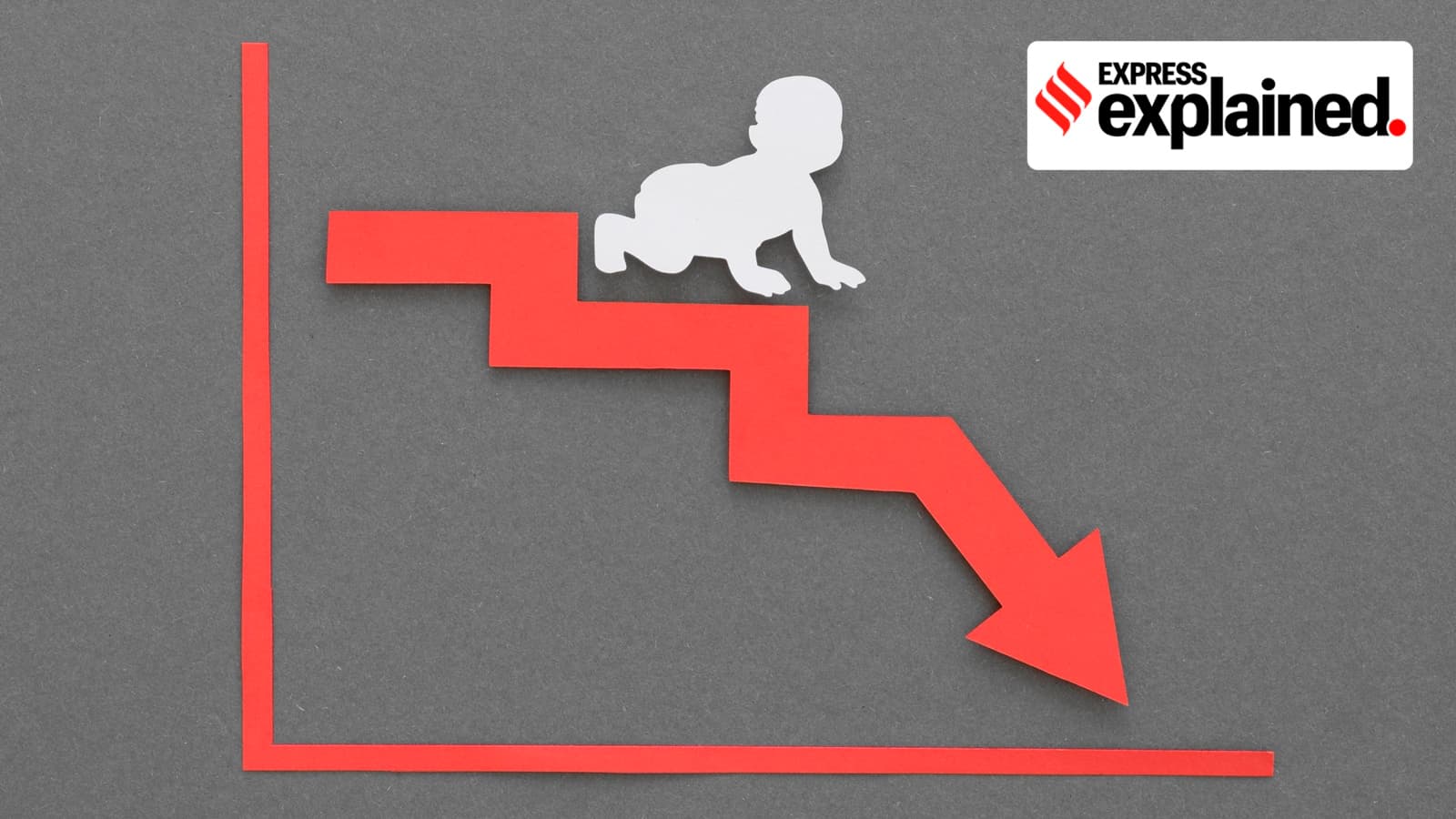
As global fertility rates hit historic lows, nations are experimenting with aggressive financial incentives to encourage childbearing, but data suggests these policies may be missing the mark.
Across the globe, the demographic landscape is shifting at a pace that has caught policymakers off guard. From the bustling industrial hubs of China to the states of India—most notably Andhra Pradesh, which recently announced financial support for families having a third child—governments are scrambling to address a sharp decline in total fertility rates (TFR). The goal is to reach a "replacement rate" of 2.1, the number required for a population to remain stable. However, as of 2023, two-thirds of the global population lives in regions where the fertility rate has dipped below this critical threshold, with India hitting this mark around 2020, much faster than previous UN projections suggested.
The Limits of Financial Engineering
In an attempt to arrest this slide, states are deploying an array of carrots: lump-sum cash payments, tax exemptions for mothers of four or more, and even subsidized car purchases. Some nations are focusing on medical infrastructure, providing state-funded IVF support to help couples navigate infertility. Yet, experts warn that these measures are often short-sighted. Sociologists and demographers observe that while cash bonuses might trigger a momentary "mini baby boom" as people time their childbearing to capture a benefit, they rarely lead to a sustainable, long-term increase in the number of children born per woman.
The disconnect lies in the assumption that financial cost is the sole barrier to parenthood. While government policies often operate on a "Beckerian" framework—the idea that reducing the expense of raising children will naturally increase the birth rate—current trends suggest a deeper cultural shift. In the United States, Japan, and across Europe, significant portions of the younger generation report that they do not wish to have children at all. Whether it is the "lying flat" movement in China or the rise of the DINK (Dual Income, No Kids) lifestyle in Western nations, the choice to remain child-free is increasingly driven by a desire for personal autonomy, career development, and concerns about the state of the world rather than simple economics.
The Cost of Raising a Family
Even when prospective parents want children, the financial incentives currently on offer are often described by experts as "laughably short" of the actual requirements. With the cost of raising a child over 18 years estimated at nearly $300,000 in some regions, a one-time bonus or tax credit hardly moves the needle. Furthermore, countries with robust social safety nets—such as Finland, which offers universal healthcare and childcare—have seen their birth rates continue to decline, suggesting that even when the state removes the financial burden, the energy and life-altering commitment required for parenthood remain significant deterrents for many.
Ultimately, the attempt to "buy" higher birth rates ignores the complex systemic pressures facing modern adults. Career demands, the lack of work-life balance, and the high cost of living are structural issues that a one-off subsidy cannot resolve. As governments continue to experiment with these large-scale economic interventions, the data serves as a stark reminder: population dynamics are a reflection of societal values and opportunities. Without addressing the root causes of why people are choosing to have fewer children, these policies may remain little more than a temporary patch on a fundamental demographic shift.
The PoliticalPedia Editorial Desk brings verified, sourced political news and analysis from across India.