Silent Crisis: Human Activities Killed 1,653 Elephants in India Since 2009, Study Reveals
Human Activities Killed 1,653 Elephants In India Since 2009: Report
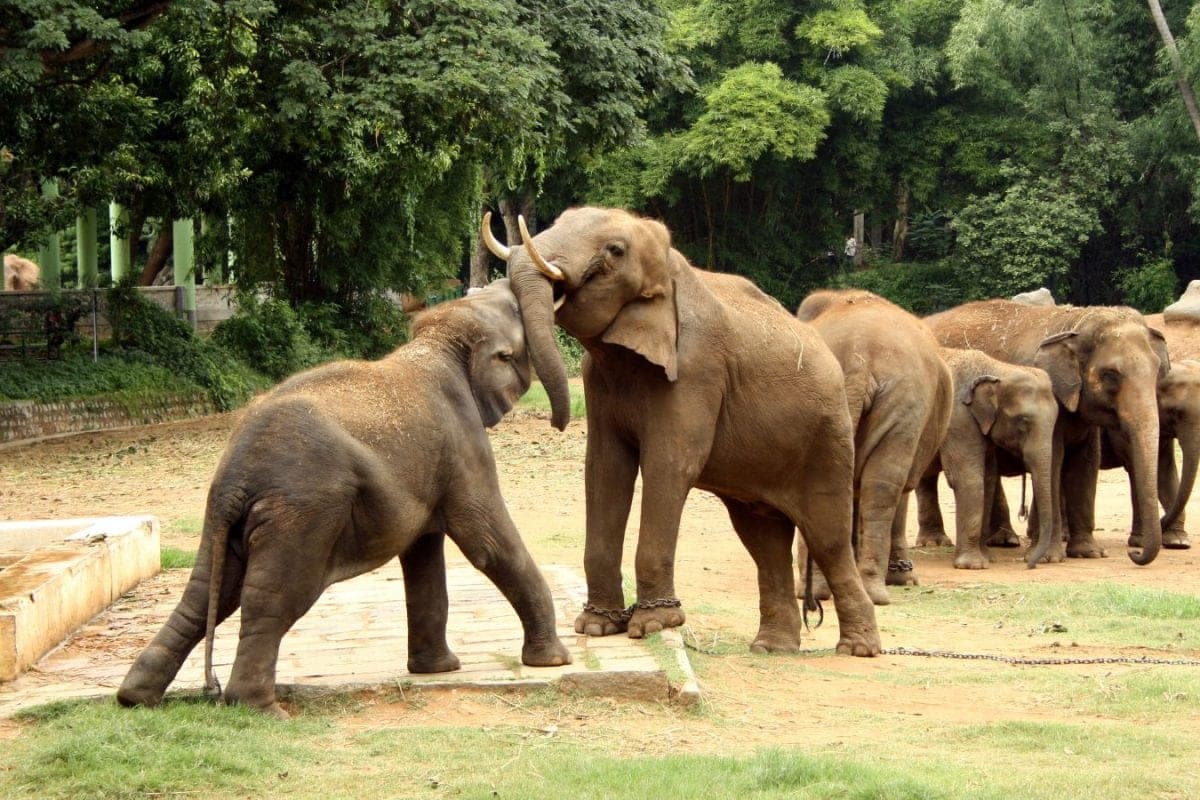
A comprehensive new analysis highlights the devastating toll of infrastructure expansion and habitat fragmentation on India’s pachyderm population over the last 16 years.
The corridors once used by majestic herds for centuries are increasingly becoming death traps. A significant new study, conducted by researchers at the Kerala Agricultural University and associated institutions, has uncovered that human activities killed 1,653 elephants in India since 2009. By analyzing mortality data spanning over a decade and a half, experts have painted a grim portrait of how rapid development and the encroachment of human-dominated landscapes are fundamentally altering the survival prospects of the species.
The High Cost of Infrastructure
Electrocution stands out as a leading cause of unnatural death in the report. Hundreds of elephants have perished after coming into contact with illegal electric fences, poorly maintained power infrastructure, or low-hanging lines that crisscross traditional forest paths. This issue is compounded by the expansion of railway networks; train hits continue to claim a high number of lives as tracks slice through critical migration routes, leaving animals little room to maneuver when they encounter speeding locomotives.
Beyond these immediate threats, the study identifies a range of other human-induced pressures. Poaching, direct poisoning, and retaliatory killings—often sparked by the destruction of crops—have created a volatile environment for elephant populations. Roads that bisect wild habitats have further fragmented the landscape, forcing these intelligent animals to venture into settlements in a desperate search for food and water, effectively turning every migration into a high-risk endeavor.
A Conflict of Survival
The data suggests that the conflict is most acute in states that historically support some of India's largest elephant populations, including Kerala, Karnataka, Tamil Nadu, Odisha, West Bengal, and Assam. As the distance between human settlements and protected forests shrinks, the report warns that the intensity of human-elephant conflict is not merely a regional challenge but a national emergency.
For conservationists, these figures are a stark reminder that habitat loss is not just an environmental abstract; it is a measurable, lethal force. The research underscores that as India pursues infrastructure-led growth, the lack of wildlife-sensitive planning is directly accelerating the decline of these iconic animals. Without urgent policy interventions and stricter regulation of infrastructure projects within forest zones, experts fear that the toll on elephants in India since 2009 will serve as a precursor to even higher mortality rates in the coming decade.
The PoliticalPedia Editorial Desk brings verified, sourced political news and analysis from across India.