Britain Confronts Its Shadow: The Call for an Honest Debate on Grooming Gangs
UK Politician Demands Honest Debate On Pakistani Muslim Grooming Gangs | Britain Confronts
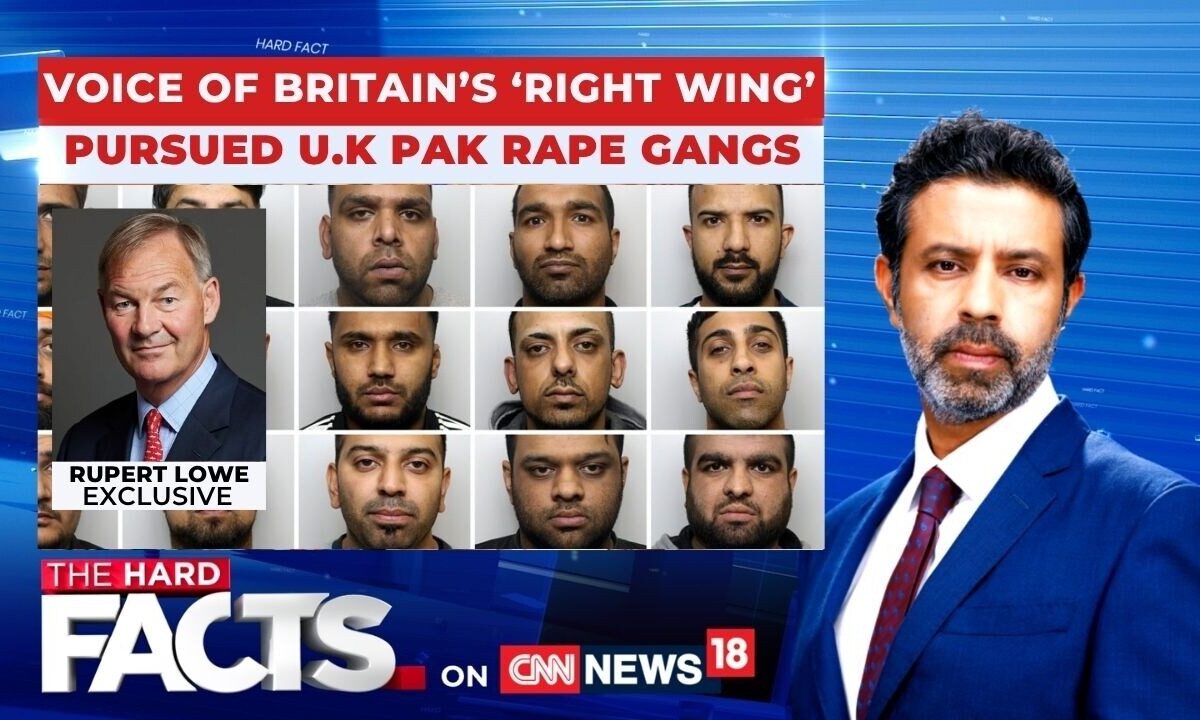
A UK politician’s demand for transparency regarding Pakistani Muslim grooming gangs has ignited a fierce national conversation, challenging long-held political sensitivities in Britain.
For years, the issue of grooming gangs in the United Kingdom has remained a volatile intersection of crime, culture, and political correctness. Now, a fresh political debate has erupted as a prominent UK politician demands an honest debate on Pakistani Muslim grooming gangs, breaking the silence that has often shrouded these investigations. The call for a candid assessment of the perpetrators' backgrounds—specifically their origin and religious ties—is forcing Britain to confront a painful reality that many officials previously steered clear of for fear of being labelled inflammatory.
The movement for transparency is not just gaining traction in local constituencies; it is being amplified by policy research organisations like the Middle East Forum. Proponents of this shift argue that the "rape-gang" scandals, which have left a trail of traumatised victims across several English towns, were exacerbated by a culture of institutional denial. By refusing to name the common demographic markers of these criminal networks, critics argue that the state effectively shielded the offenders, allowing the exploitation to continue unchecked.
Why it matters
This is not merely about criminal procedure; it is a structural test for British secularism and its approach to multiculturalism. In the Indian diaspora, where we are acutely familiar with the thin line between respecting cultural identity and enforcing the rule of law, this debate feels particularly resonant. The pattern here suggests that political institutions are finally buckling under the pressure of public outrage. If British authorities continue to prioritise political optics over the granular facts of these crimes, they risk losing the trust of the very communities they are meant to protect.
The broader implications are clear: the UK is undergoing a significant pivot in how it handles identity-based crime. As the discourse moves from the fringes to the mainstream, the challenge for the British government will be to address these deep-seated societal failures without descending into toxic polarisation. Whether this leads to genuine reform or simply more gridlock remains to be seen, but the era of silence appears to be over.
While the world turns its attention to everything from the latest T20 cricket results to the churn of Hollywood movies, the situation in the UK serves as a stark reminder of how internal security can define a nation’s stability. This is a story of a democracy trying to recalibrate its values, and for the observers in the international community, the outcome will set a precedent for how Western states reconcile modern identity politics with the foundational requirements of justice and law enforcement.
Ananya Iyer covers global affairs with an Indian lens for PoliticalPedia.