Beijing’s Long Arm: New Law Targets ‘Ethnic Unity’ Beyond Borders
Xi's bold move: China to enforce its new ethnic unity law, globally
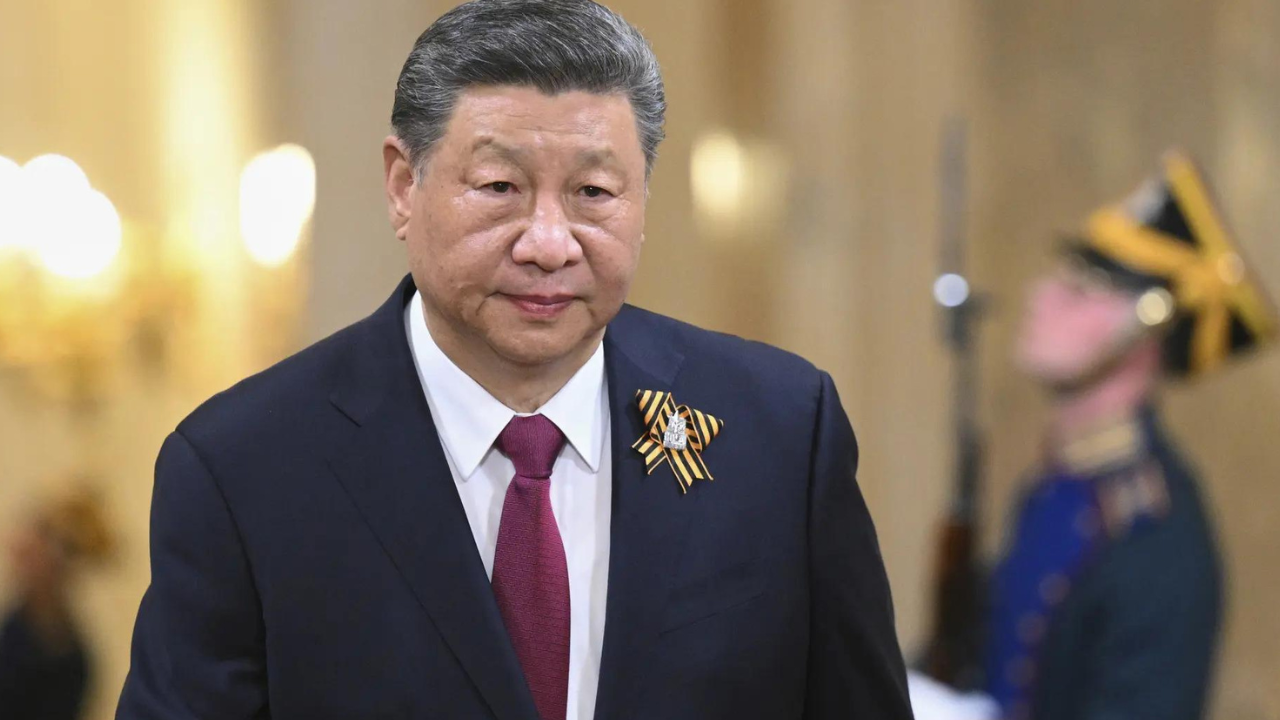
As China prepares to enact its Ethnic Unity and Progress Promotion Law this July, critics fear the legislation grants Beijing unprecedented legal reach to police dissent among global minority communities.
The corridors of power in Beijing are sending a chilling message to the diaspora. Starting July 1, the new "Ethnic Unity and Progress Promotion Law" will move beyond the borders of mainland China, effectively codifying the state’s right to pursue individuals and organizations abroad for activities deemed harmful to national cohesion. While the Communist Party frames this as a necessary step to foster a shared identity among its 55 recognized ethnic minorities, the global human rights community is sounding an alarm that this is less about unity and more about silencing dissent.
The Reach of the Law
Formally passed by the National People's Congress earlier this year, the legislation is broad. It targets what Beijing categorizes as "violent terrorist, ethnic separatist, or religious extremist activities." By extending potential legal liability to those living outside the country, the law creates a precarious reality for Uyghur and Tibetan activists currently residing in the West. Vice Justice Minister Hu Weilie has defended the measure, insisting it is a standard "legal measure" that aligns with international practice—a claim that is being met with deep skepticism in global capitals.
The law is not just a tool for criminal prosecution; it is a framework for cultural homogenization. It formalizes existing mandates to push Mandarin in education and government administration, effectively sidelining local tongues. Critics, including organizations like Human Rights Watch, argue that this provides a fresh, legally sanctioned avenue for the state to intensify ideological controls. By labeling dissent as a threat to "national unity," the state can now theoretically justify the harassment or targeting of critics regardless of their physical location.
Why it Matters: The Pattern of Surveillance
For observers of geopolitics, this law is the latest piece in a larger strategy to project power. We are witnessing a shift where domestic legal codes are increasingly being exported as instruments of foreign policy. By enshrining the concept of "ethnic unity" into law, Beijing is creating a digital and legal dragnet that follows citizens and former citizens across the globe. This represents an attempt to redefine sovereignty, asserting that a Chinese national’s obligations to the state do not expire when they cross an international border.
This move complicates the already strained relations between China and the West. If Beijing begins to leverage this law to demand the extradition of activists or to threaten families of those living abroad, the diplomatic fallout will be swift. It signals that the internal stability of the Chinese state—defined on its own terms—has become a global security priority. As the July deadline approaches, the international community faces a difficult question: how does one balance respect for national sovereignty with the protection of human rights when a state’s law is designed to ignore borders?
Ananya Iyer covers global affairs with an Indian lens for PoliticalPedia.