UN Commission labels Gaza crisis a 'genocide' driven by deliberate targeting of children
Israel's actions against Gaza children amount to genocidal acts, UN says
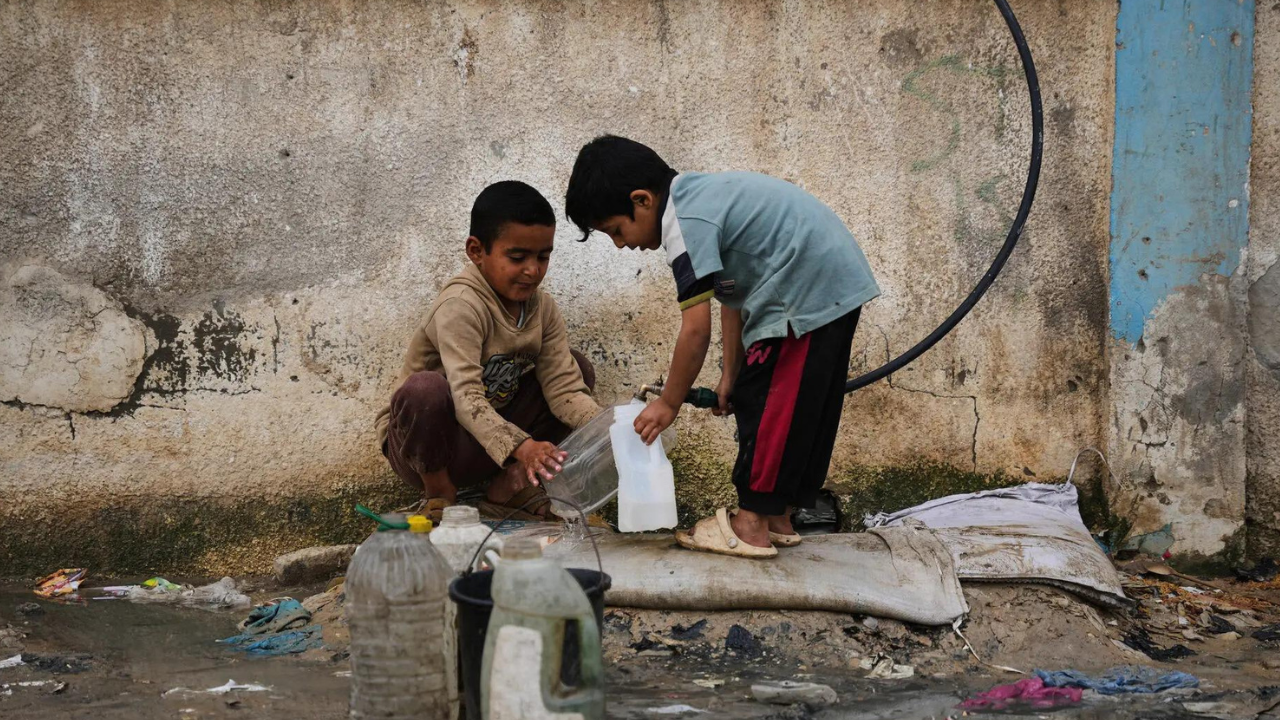
An independent inquiry has accused Israeli forces of orchestrating a systematic campaign against the most vulnerable in Gaza, escalating the legal and diplomatic stakes for Tel Aviv.
The images emerging from Gaza have long been harrowing, but a fresh report from a United Nations commission of inquiry has sharpened the legal focus on the conflict. The commission has formally asserted that the ongoing Israeli military operations represent acts amounting to genocide, specifically citing the deliberate targeting of children as a primary indicator of genocidal intent. According to the findings, children have accounted for roughly 30 per cent of all deaths in the enclave over the past eight months, a period that includes strikes occurring even after a ceasefire was supposedly in effect.
A pattern of systemic harm
The report paints a bleak picture of the conditions on the ground. Beyond the direct toll of airstrikes—which the commission says have killed over 250 children in recent months—the document highlights a systematic strategy of attacking medical infrastructure. By targeting hospitals, clinics, and reproductive healthcare facilities, the inquiry suggests that Israeli forces are inducing "multi-layered harm" that compromises the long-term survival and development of an entire generation of Palestinian youth.
Srinivasan Muralidhar, who chairs the commission, underscored that the disregard for international law remains pervasive. Even following the October 2025 ceasefire, the report notes that the restrictions on humanitarian aid and continued military pressure have ensured that the civilian population remains in a state of constant, life-threatening peril.
The legal and diplomatic fallout
This latest inquiry is not an isolated development but rather the latest in a series of damning assessments. The commission previously concluded that Israel had committed genocide in Gaza, pointing to incitement from high-ranking officials, including Prime Minister Benjamin Netanyahu. These findings mirror the gravity of the situation currently facing the International Criminal Court, which has already moved to issue an arrest warrant for Netanyahu regarding alleged war crimes.
For its part, the Israeli government has rejected the findings with characteristic severity. The foreign ministry dismissed the UN report as a "propaganda piece," maintaining that the military’s actions are focused on security objectives rather than the systematic destruction of a population.
The bigger picture: Why it matters
The implications of this report extend far beyond the immediate battlefield. By framing the crisis through the lens of genocide, the UN commission is effectively raising the bar for international accountability. While Israel continues to contest these claims, the accumulation of evidence—from human rights groups like Amnesty International and Human Rights Watch to these high-level UN inquiries—creates a mounting diplomatic isolation for the state. For the international community, the challenge lies in whether these legal definitions will translate into concrete policy shifts or if the deadlock at the UN will persist, leaving the humanitarian crisis to deepen unabated.
Rohan Gupta covers the economy, markets and companies for PoliticalPedia.